“Obanzai” is Kyoto’s traditional home-cooked meals—simple yet heartwarming dishes using seasonal ingredients. While it’s a staple in daily Kyoto households, its history and cultural significance might surprise you. In this article, we’ll explore the unique charm of obanzai, must-try dishes, and even tips for making them at home.
What Is Obanzai? Its Definition and History
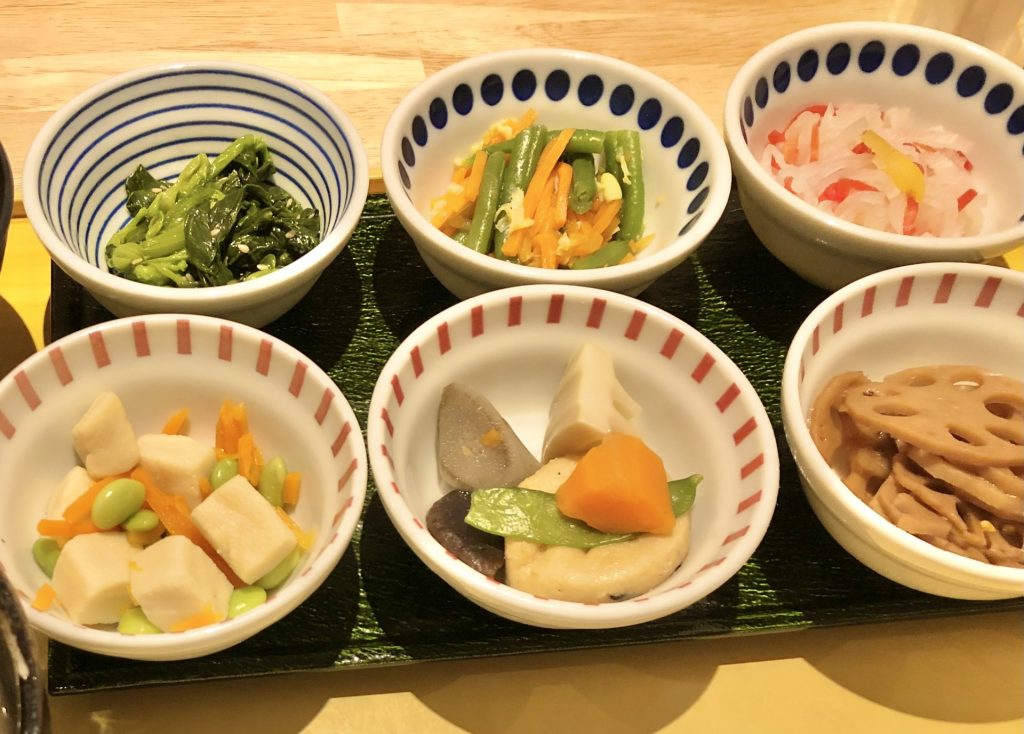
“Obanzai” refers to traditional Kyoto-style home dishes, known for their modest and wholesome qualities. The name originates from the Kyoto dialect word for everyday meals or side dishes, “obansai.” Over the years, this developed into the term “obanzai.”
Obanzai emphasizes seasonal ingredients and simplicity, drawing influences from Buddhist culinary practices that focus on minimal waste and respect for food. This frugality has given rise to dishes that make the most of every last scrap of ingredient, perfectly echoing Kyoto’s culinary aesthetic.
Why Is Obanzai So Loved?
Obanzai doesn’t just taste good—it’s good for you! Here are some reasons why it’s a standout choice for those looking for healthy, sustainable meals:
- Seasonal Ingredients: Fresh, local vegetables are the star of the show.
- Minimal Use of Seasonings: Miso, soy sauce, and dashi play key roles, enhancing the ingredients’ natural flavors.
- Variety in Cooking Methods: From steaming to braising, obanzai offers diverse ways of preparing food.
Beyond health, obanzai embodies an eco-friendly philosophy, incorporating local and leftover ingredients, reducing food waste.
Must-Try Dishes in Kyoto
When in Kyoto, don’t miss the chance to try these quintessential obanzai dishes:
Classic Obanzai Dishes
- Simmered Hijiki: A nutritious dish with sweet and savory braised hijiki seaweed.
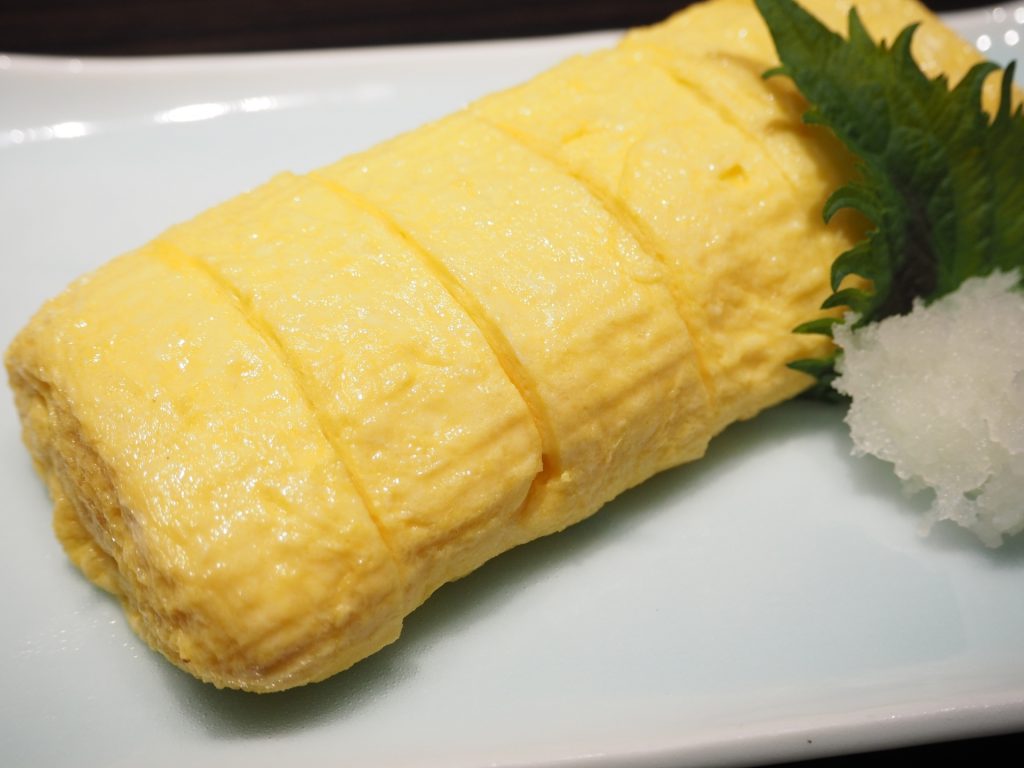
- Dashi-Maki Tamago: Fluffy rolled egg omelet infused with savory dashi broth.
- Yuba Salad: Kyoto’s specialty tofu skin served lightly marinated.
Seasonal Highlights
- Braised Bamboo Shoots: A springtime favorite with delicate smoky flavor.
- Kamo Eggplant with Dashi: A Kyoto vegetable specialty served tender and juicy.
- Chestnut Rice: Perfect for cooler seasons, this hearty rice dish combines chestnuts and sweet potatoes.

Kyoto’s Popular Obanzai Restaurants
If you want to enjoy authentic obanzai in Kyoto, here are some highly recommended restaurants. These spots are well-known for their quality and are popular among tourists and locals alike.
Popular Restaurants in Kyoto
Kyoto Obanzai Waraji-tei
A long-established restaurant where you can enjoy Kyoto’s home-style dishes at a reasonable price. The counter is lined with various obanzai dishes, allowing you to choose and enjoy them as you like.
Kyomachiya Obanzai Kohaku
A charming restaurant in a traditional Kyoto townhouse where obanzai dishes are served in a cozy, authentic atmosphere. The gentle seasoning highlights the natural flavors of the ingredients to the fullest.
How to Enjoy Obanzai at Home
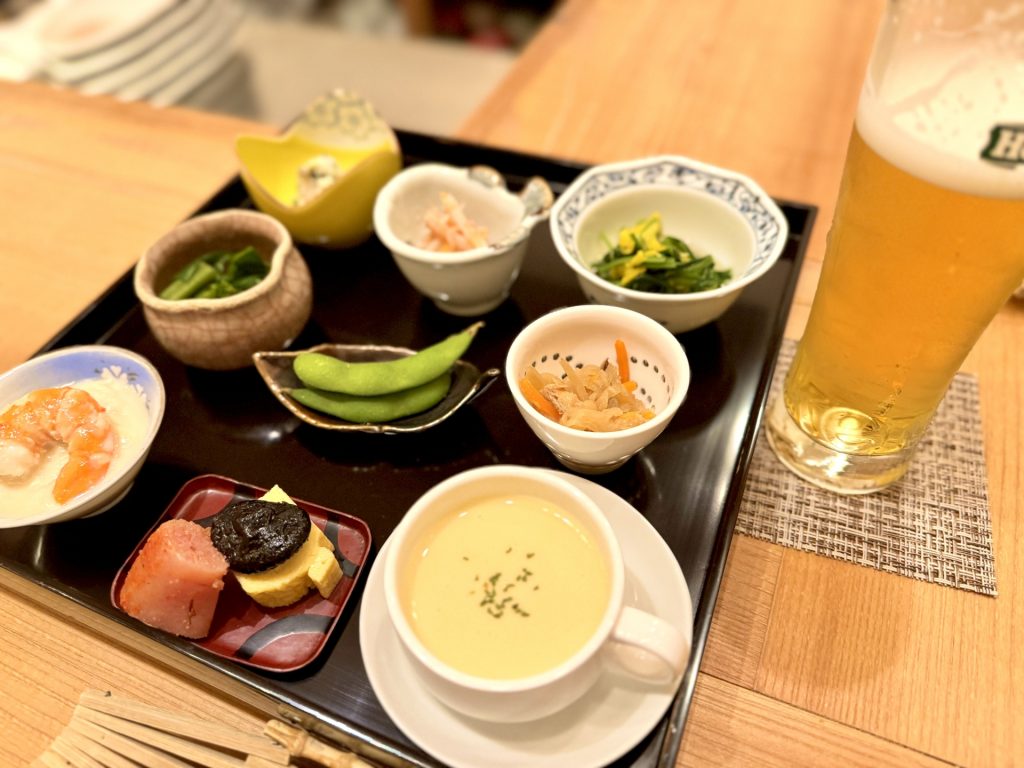
For those who want to try making obanzai at home, you’ll be happy to know that it’s easier than you might think! Here are some tips and tricks to get you started:
- Use Basic Dashi Broth: Dashi made from kombu (kelp) and katsuobushi (bonito flakes) is fundamental to achieving the authentic obanzai flavor.
- Let the Ingredients Shine: Obanzai is all about bringing out the natural flavors of the ingredients. Use minimal salt, soy sauce, and miso to enhance rather than overpower.
- Make-Ahead Dishes: Many obanzai recipes, such as simmered hijiki or dried daikon radish stew, are great for meal-prepping as they can last for a few days.
If you’re new to cooking obanzai, start with something simple such as:
- Spinach Ohitashi: A light, refreshing dish of boiled spinach dressed with soy sauce and dashi.
- Simmered Tofu and Daikon: This dish is hearty and comforting, with the flavors of dashi absorbed into the ingredients.
Both dishes are quick and beginner-friendly, giving you a good first step into the world of obanzai cooking.
Conclusion
Obanzai is more than just a style of cooking—it’s a reflection of Kyoto’s history, culture, and philosophy on food. Its simplicity is what makes it profound, offering a chance to connect with the wholesome flavors of the ingredients. Whether you try it locally in Kyoto or recreate it at home, obanzai invites you to discover the charm and comfort of this traditional cuisine.