

Tokusatsu (“special effects”) is one of Japan’s most celebrated film techniques, essential for creating movies and TV shows featuring monsters, heroes, and sci-fi elements. But if you think “Tokusatsu is just for kids,” you’re missing out! Tokusatsu is a deep and fascinating art form shaped by incredible craftsmanship and thought-provoking themes.
Ultraman, Godzilla, Kamen Rider… many people know these names but have never actually watched the shows or movies they belong to. However, this genre has been gaining fans both in Japan and around the globe, including adults. People often say, “It’s been years since I watched Tokusatsu, but now I can’t stop!” By the time you finish reading this article, your dormant love for Tokusatsu might spark to life!
What Exactly is Tokusatsu? Its Basic Appeal

Let’s start with the basics: what is Tokusatsu? Tokusatsu refers to the use of special techniques to create scenes that can’t be realistically filmed in live-action movies and shows. Examples range from massive monsters destroying cities to heroes piloting gigantic robots in battle. What makes Tokusatsu stand out is its tactile realism and meticulous attention to detail, which even modern CGI struggles to replicate.
Fans are drawn not just to the visuals but also to the dedication and creativity of the artisans behind these works.
Must-Know Tokusatsu Series for Every Fan
The Tokusatsu genre spans a wide variety of works, which can leave newcomers asking, “Where do I even begin?” Here, we’ll highlight some classic and beginner-friendly series to help you dive in.
1. Kamen Rider Series (1971–Present)
When it comes to Tokusatsu heroes, few are as iconic as the Kamen Rider series. The famous “Henshin!” (Transform!) catchphrase is widely recognized, even by those who aren’t fans. The original Kamen Rider centered on a cyborg hero fighting against evil organizations, combining a straightforward premise with surprisingly complex themes.
Since the Heisei period, Kamen Rider series have gained even greater popularity by appealing to both children and adults. For example, Kamen Rider W (Double) mixes detective-style mysteries into its storylines, while Kamen Rider Amazons ventures into a darker, more mature tone. These series are carefully crafted, often weaving in small details and foreshadowing that pay off in satisfying ways—part of what makes them so addictive!
2. Ultraman Series (1966–Present)
No Tokusatsu discussion is complete without the Ultraman series. While many people see it as children’s entertainment, it often delves into serious topics like environmental concerns and humanity’s future.
For example, Ultraseven’s episode “From Another Planet With Love” (Episode 12) addresses issues of space migration and exploitation in a powerful and thought-provoking way. Such philosophical perspectives embedded in Ultraman make it a timeless classic that is still loved today.
3. Super Sentai Series (1975–Present)
The Super Sentai series is famous for its five-member teamwork formula and brightly colored heroes. One recent standout is Ohsama Sentai King-Ohger (2023). This series combines fascinating bug-inspired designs with a grand narrative about five nations striving for unification. Its compelling political commentary and colorful cast of characters have earned it considerable praise even among long-time fans.
Further proof of the Sentai series’ reach is its transformation into the Power Rangers, a reimagined Americanized version. This global success story underscores how Japanese Tokusatsu culture has influenced global entertainment in significant ways.
Fun Facts About Tokusatsu
Tokusatsu has a rich history filled with surprising stories and entertaining trivia. Here are a couple of highlights to deepen your appreciation for this unique genre:
Kamen Rider’s Death-Defying Motorcycle Stunts

One of the most iconic symbols of the original Kamen Rider (1971) is the Cyclone motorcycle. In one famous scene, a stuntman rode the bike down a cliff at high speed without modern safety measures! Even hearing about such stunts makes you appreciate the dedication of these early performers. It’s precisely this analog, almost reckless enthusiasm that captures the charm of Tokusatsu.
Ultraman’s Monster Suits: The Art of Recycling
Many monster suits in the Ultraman series were reused across multiple seasons. For instance, Gomora and Red King both had their costumes altered and repurposed as entirely different monsters later on. This kind of sustainable yet creative production, where “old” is turned into something “new,” speaks volumes about the ingenuity and resourcefulness of the teams behind Tokusatsu productions.
How to Immerse Yourself in the Tokusatsu World
Once you’ve been bitten by the Tokusatsu bug, you’ll naturally want to explore it further. Here are a few ways to dive deeper into this captivating world.
Enjoy a Tokusatsu Marathon at Home
Set aside some time on a weekend to marathon famous Kamen Rider or Ultraman series. Streaming services now host a wide selection of old and new titles, letting you observe how the style and techniques have evolved over the years.
Visit Tokusatsu-Themed Events and Attractions
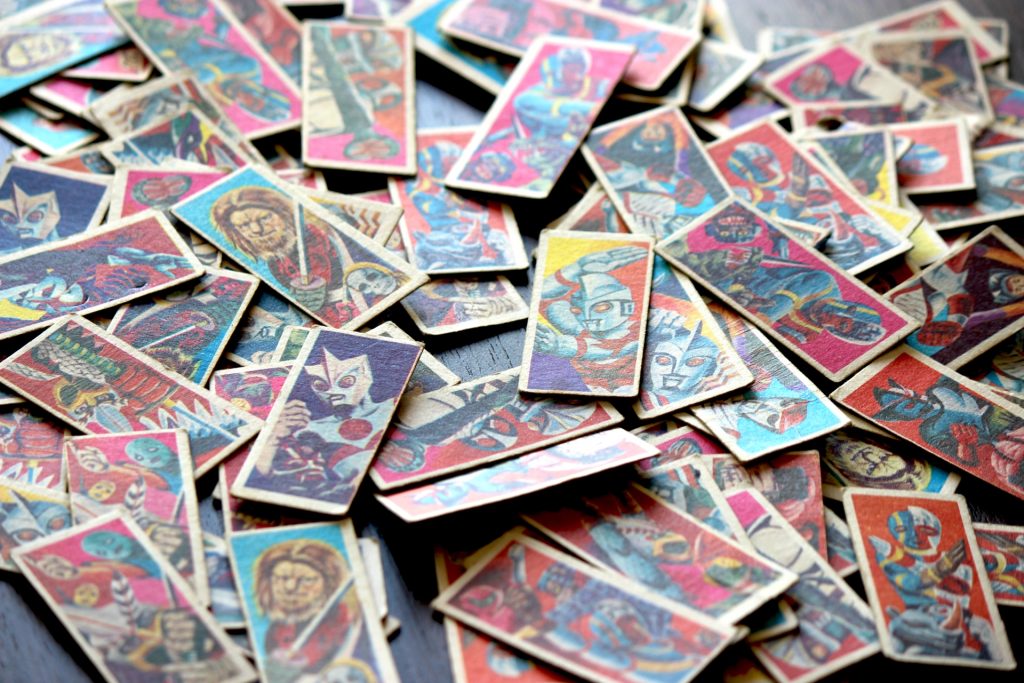
Want to get up close with the magic of Tokusatsu? Then visiting an attraction or event dedicated to the genre is a must. For example, Kyoto’s Toei Kyoto Studio Park invites visitors to explore real film sets used in Tokusatsu productions, as well as immersive interactive experiences. You might even learn some behind-the-scenes tricks!
The Iconic Godzilla: Tokusatsu’s Greatest Symbol
When discussing Tokusatsu, Godzilla is simply unavoidable. Known worldwide as a pop-culture icon, Godzilla isn’t just a “giant monster”; it represents themes of humanity’s struggles with nuclear energy and modernity.
Godzilla’s Roar: A Legendary Sound Effect
One of Godzilla’s most distinctive and unforgettable traits is its piercing roar. The unique sound was created by dragging a resin-coated glove along the strings of a contrabass and then altering the resulting audio. This approach, blending musical instruments with sound-engineering ingenuity, showcases the creativity of the early Tokusatsu teams.

Tokusatsu’s Global Reach
Tokusatsu culture, exemplified by series like Godzilla, has spread across the globe. Many foreign fans are drawn to the “Japanese authenticity” of practical effects and handmade sets, which give the genre a tactile charm that CGI often lacks.
Hollywood’s Tokusatsu Adaptations
Hollywood has embraced Tokusatsu’s appeal in projects like the Power Rangers or the rebooted Godzilla films (e.g., Godzilla: King of the Monsters). These adaptations bring Japanese-originated storytelling to a wider audience, sometimes inspiring new fans to explore the originals.
However, many Tokusatsu enthusiasts still hold the Japanese productions in higher regard, proving that there’s no substitute for the artistry of the originals.
Tokusatsu’s Technological Evolution
Tokusatsu has always been synonymous with innovation. It started with elaborate, handmade miniatures and suits, but the genre has gradually incorporated cutting-edge CGI to expand what’s possible on-screen.
The Future of Tokusatsu
Recent works like Shin Ultraman (2022) seamlessly blend CGI with the classic Tokusatsu style. Though some fans miss the nostalgic charm of older techniques, this new hybrid approach ensures that Tokusatsu continues to evolve while respecting its roots.
Learn Tokusatsu Here! Must-Visit Special Effects Spots in Japan
If you visit places where you can experience the history and techniques of Tokusatsu firsthand, you’ll enjoy the works even more! Here are a couple of spots where you can truly feel the depth and wonder of Tokusatsu.
Tokyo – Jimbocho Theater: Special Tokusatsu Screenings
Jimbocho Theater regularly holds special screenings of iconic Japanese Tokusatsu films and series several times a year. Past events have featured classics like Ultraman and Godzilla. Watching Tokusatsu on the big screen allows you to fully appreciate the power and impact of its visuals—an experience that is sure to be addictive once you try it!
Kyoto – Toei Kyoto Studio Park
At Toei Kyoto Studio Park, you can visit actual sets used for Tokusatsu films and TV shows. Additionally, the park offers behind-the-scenes looks at special effects techniques as well as live Tokusatsu hero shows. It’s a destination that both children and adults can enjoy to the fullest!
Final Thoughts: Tokusatsu as an Art Form
Tokusatsu is more than just entertainment—it’s a form of art. From its meticulously handcrafted miniatures and costumes to its thoughtful storytelling, it represents the perfect balance of passion and creativity.
Whether you’re an old fan rediscovering the genre or new to the Tokusatsu world, you’ll find endless surprises and joys waiting for you. So, why not take the leap and explore the wonders of Tokusatsu?