
Every year between June and July, Japan’s iconic rainy season, known as “Tsuyu,” arrives. While this rainy period may dampen the mood for some, it also brings with it a collection of fascinating facts and practical tips to help you enjoy it. In this article, we’ll introduce some interesting trivia about Tsuyu, alongside ways to embrace rainy days and even discover new favorite activities. With the right mindset, this season might even become your favorite time of the year!
Basics of Tsuyu: What You Should Know
What Is Tsuyu?
Tsuyu—or the rainy season—refers to the prolonged period of rain that takes place across most of Japan from June to July. During this time, the “Tsuyu front” carries moist air from the south and becomes stationary, resulting in frequent rainfall. However, the timing of Tsuyu’s onset varies by region. For example, Okinawa’s rainy season starts around late May, while mainland Japan typically sees the rain begin in mid to late June.
The origin of the word “Tsuyu” is equally interesting. One explanation is that it’s derived from the Chinese word for “plum rain” (梅雨, baiu), as this is when plums ripen. Alternatively, it is said to originate from the word “mold rain” (黴雨, also read as baiu), reflecting the high humidity and mold growth during this season. Either way, the word conjures up imagery perfectly suited to its damp and rainy nature.
How Much Rain Falls During Tsuyu?
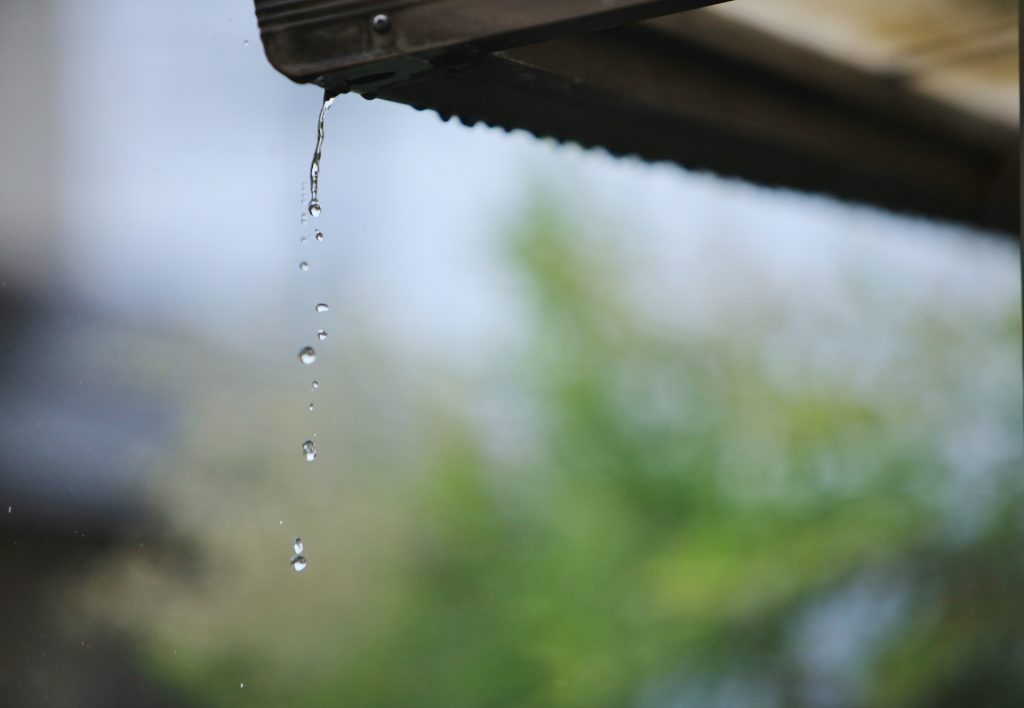
Roughly 30% of Japan’s annual rainfall happens during this season. However, the amount of rain varies by region. Areas such as Shikoku and the Kii Peninsula experience some of the heaviest rainfall during this time. That said, it’s not gloomy every single day! Periods of clearer weather, referred to as “Tsuyu breaks,” offer opportunities to enjoy outdoor activities without getting soaked.
Fascinating Facts About Tsuyu You Didn’t Know
Umbrellas and Japanese Culture: The Nation of Umbrellas
When it comes to rain, umbrellas are an essential part of Japanese life, particularly during Tsuyu. Japan’s umbrella culture is deeply rooted in everyday life. It’s common for people to keep spare umbrellas at home, work, or school, with many owning multiple umbrellas.
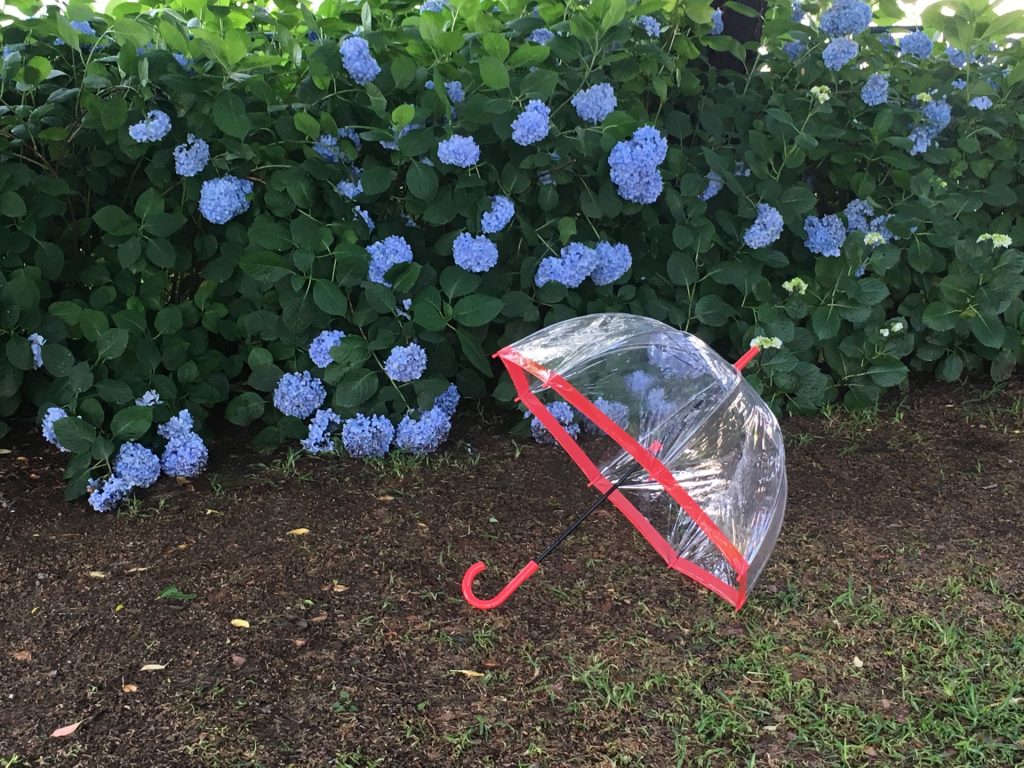
Among the most iconic items are see-through plastic umbrellas, which are widely available at convenience stores and train stations for just a few hundred yen. Practical and affordable, these umbrellas have become an irreplaceable part of modern Japanese life. They’re even considered a cultural symbol by visiting tourists, who often take notice of the vast sea of transparent umbrellas on rainy streets.
The Japanese habit of quickly buying umbrellas during sudden downpours has naturally shaped modern consumer behavior, making “umbrella culture” a unique expression of Japan’s rainy habits.

Did You Know? Tsuyu Isn’t Unique to Japan!
Contrary to popular belief, the rainy season isn’t limited to Japan. It’s also a common weather phenomenon in several parts of Asia, including China and Korea, where similar patterns of prolonged rainy days occur.
Interestingly, English speakers might refer to it as “rainy season” or even borrow the unique Japanese term “Tsuyu.” What’s more, the term “Tsuyu” itself has its roots in the Japanese language, making it a fascinating linguistic concept to explain to visitors. For example, explaining that “Tsuyu” relates to plum ripening often catches tourists by surprise. Isn’t it fascinating how one word can reflect both the rain and a bit of cultural charm?
Tsuyu and Rainy-Day Fashion in Japan
Functionality meets style during Japan’s rainy season. From water-repellent bags and breathable rain boots to lightweight raincoats, practical yet stylish rainy-day items are widely available. Even transparent plastic umbrellas, once purely utilitarian, have evolved into fashionable accessories, with options ranging from high-quality designs to fun, colorful patterns that add a splash of cheer to otherwise dreary days.
Ways to Enjoy Rainy Days During Tsuyu
At Home: Relax with the Sounds of Rain
Why not embrace rainy days by staying cozy at home? The rhythmic sound of raindrops is known to have a calming effect, making it an ideal opportunity for relaxation. Pair this natural soundtrack with a good book or explore playlists themed around rain, commonly found on streaming platforms. Enhance the atmosphere with a cup of tea or coffee to create your own peaceful retreat.
Outdoors: Explore Rainy Day Spots
Not all rainy days have to be spent indoors. Some places become even more enchanting in the rain.
- Museums and Aquariums
Rainproof locations like museums and aquariums make for perfect rainy-day escapes. The Kyoto National Museum and Tokyo’s Sumida Aquarium, for example, offer serene environments regardless of the weather.
Tsuyu’s Seasonal Delights: Rainy-Season Foods
Enjoy Ingredients Only Available During Tsuyu
The rainy season coincides with the peak season of many delicious ingredients in Japan. Certain types of fish, such as aji (horse mackerel) or ayu (sweetfish), are at their best during this time. Freshly prepared sashimi or sushi featuring these seasonal catches is a must-try!
Meanwhile, the season’s namesake, ume (Japanese plums), comes into its prime in June. These plums are often used to make umeboshi (pickled plums), umeshu (plum wine), and ume syrup. Homemade ume syrup is particularly popular and easy to make, offering a refreshing summertime drink.
High-end Japanese restaurants also feature ume-flavored dishes during this season. Look out for salads with tangy plum dressings and ume-accented rice dishes that highlight the plums’ unique flavor.
Whether you try seasonal dishes at restaurants or experiment with creating ume products at home, Tsuyu’s flavors are a unique treat not to be missed.
Fun Rainy-Season Activities
Explore Japanese Gardens: Beauty Highlighted by Rain
Have you ever noticed how rain brings out the vibrancy of greenery and moss? Gardens like Kyoto’s Nanzenji and Tokyo’s Rikugien transform into magical, peaceful landscapes when wet. The misted air and raindrop-covered leaves add a touch of serenity that’s unique to rainy days.
Attend Seasonal Festivals
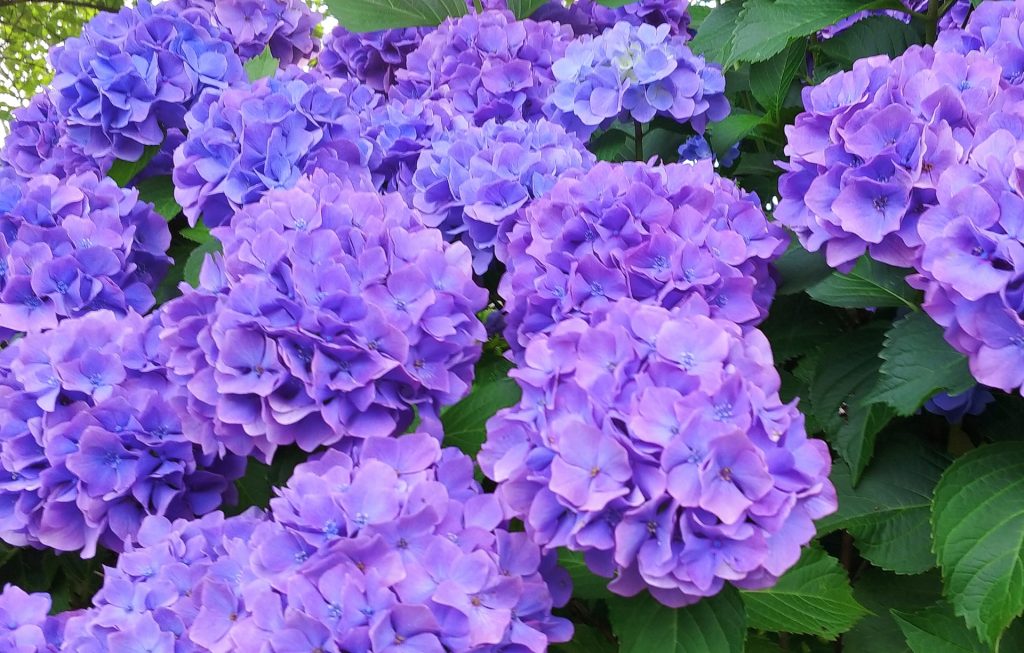
Some regions celebrate rain-centric events during Tsuyu. The “Ajisai Festivals” (hydrangea festivals) are one such highlight. Popular spots like Kamakura’s Meigetsu-in Temple and Hakone’s Glass Art Museum bloom with radiant hydrangeas, making them excellent locations for photography or a scenic stroll.
Practical Tips for Visitors Experiencing Tsuyu
If you’re traveling to Japan during the rainy season, here are some tips to make your experience smoother:
- Bring a Foldable Umbrella or Raincoat
While you can easily buy inexpensive vinyl umbrellas in Japan, compact and lightweight options like foldable umbrellas or raincoats are perfect for travel. - Plan for Humidity
Laundry can take longer to dry due to the high humidity. Consider visiting a coin laundry during long stays to avoid delays. - Explore Seasonal Foods
Don’t miss the chance to try special Tsuyu-time dishes featuring ume, aji, or ayu—these foods are highlights of the season!
Embrace Tsuyu: Finding Beauty in Japan’s Rainy Season

While Tsuyu may seem dreary at first, there is plenty to enjoy and discover. From umbrella culture to seasonal delights and rain-enhanced landscapes, the rainy season provides countless opportunities for fun and reflection. Embrace the rain, and you may find new reasons to love this uniquely Japanese time of year!