Teriyaki sauce’s glossy, appetizing appearance and sweet-savory aroma stimulate the appetite. It pairs perfectly with chicken, fish, tofu, vegetables—you name it—and is widely used from home cooking to restaurant dishes as an all-purpose seasoning.
Although it’s a familiar flavor on Japanese dining tables, “TERIYAKI” has also become hugely popular overseas. Alongside sushi and ramen, it’s now recognized as one of the representative tastes of Japan.
Still, you may not know how teriyaki sauce came to be, or what tweaks can make it even more delicious.
This article will walk you through everything about teriyaki sauce: its history, how to make it from scratch, simple variations, recommended store-bought options, and even the best ingredients to pair it with. Discover the sweet-and-savory magic that will elevate your cooking.
History and Origins of Teriyaki Sauce
Teriyaki sauce is now a beloved Japanese condiment around the world, but its roots run deep in the evolution of Japan’s culinary culture. Originally, “teriyaki” referred to a cooking method, and the sauce we know today was developed to recreate that flavor.
In this section, we’ll explore how teriyaki sauce was born and how it spread both in Japan and abroad.
The Origin Lies in the “Teriyaki” Culture of the Edo Period

The foundation of teriyaki sauce lies in the “teriyaki” cooking method that gained popularity during the Edo period. At that time, it was common to grill fish—especially yellowtail and sweetfish—using soy sauce and sugar.
This shiny, glazed grilling method came to be called “teriyaki,” and was praised for both its appearance and flavor. Eventually, this technique was applied to meat dishes as well, and the sweet-savory sauce evolved into what we now recognize as teriyaki sauce.
Overseas Expansion Began in the Postwar Era, with Unique Evolution in the U.S.
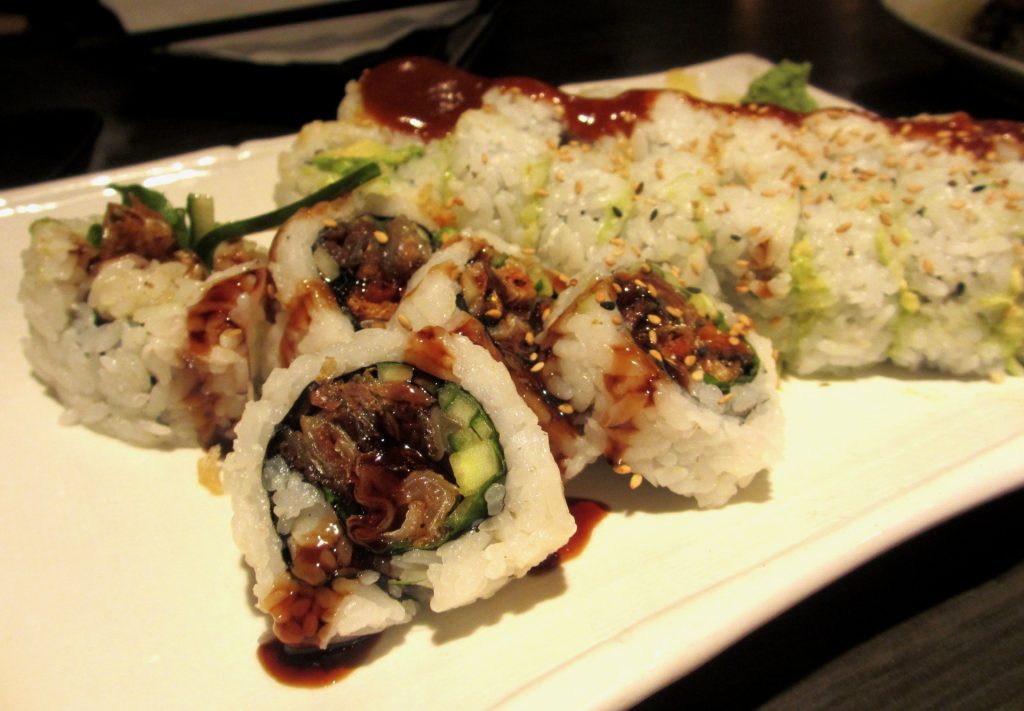
After World War II, Japanese cuisine began gaining popularity in the United States and other countries, and the name and flavor of “TERIYAKI” became widely recognized.
In particular, Hawaii—with its large Japanese immigrant population—saw teriyaki cuisine become deeply integrated into local food culture, evolving into a distinct style. The sweet and savory soy sauce–based flavor was used not only on meats and fish but also in barbecue-style dishes, eventually becoming a staple for items like teriyaki chicken and teriyaki burgers.
These local adaptations helped elevate teriyaki from a Japanese original to a global standard.
Basic Teriyaki Sauce Recipe
Teriyaki sauce adds instant flavor just by being drizzled over dishes. Despite its rich taste, it’s actually very simple to make at home with basic ingredients.
In this section, we’ll introduce the standard proportions and steps, along with key tips to avoid failure. Try the deep, complex flavor of homemade sauce that’s different from store-bought options.
Easy Homemade Teriyaki Sauce Recipe
Here is a simple recipe to make basic teriyaki sauce at home.
Ingredients (serves 4):
- Soy sauce: 2 tablespoons
- Mirin: 2 tablespoons
- Sake: 2 tablespoons
- Sugar: 1 to 1.5 tablespoons (adjust to taste)
Instructions:
- Combine all ingredients in a small saucepan.
- Heat over medium heat while stirring until it comes to a boil.
- Reduce to low heat and simmer for 2–3 minutes until slightly thickened.
The key is to control the heat to avoid burning. The sauce will thicken more as it cools, so avoid overcooking.
Common Mistakes and How to Fix Them
Below is a list of typical mistakes when making teriyaki sauce and how to deal with them:
| Problem | Cause | Solution |
|---|---|---|
| Sauce thickens too much | Overcooked | Turn off the heat earlier and check as it cools |
| Flavor is too strong | Too much soy sauce or sugar | Dilute with water or dashi to balance the taste |
| Burnt flavor | Too much heat / not stirred | Cook on medium or lower heat, stir continuously |
By understanding common pitfalls in advance, you can achieve consistent results every time.
Top 3 Ingredients That Go Perfectly with Teriyaki Sauce

Teriyaki sauce’s sweet and savory flavor pairs well with a wide variety of ingredients. But some stand out as exceptionally compatible.
Here are the top three ingredients that work best with teriyaki sauce, based on flavor synergy and ease of preparation. From classics to surprising combos, give them a try in your next meal.
Chicken Thigh
Chicken thighs are the quintessential match for teriyaki sauce. The juicy fat and rich glaze blend perfectly to create an irresistible dish. Crispy skin when grilled enhances both aroma and appearance, elevating the entire meal. Teriyaki chicken is a staple in Japanese-style set meals and lunch boxes, making it both familiar and beloved.
Salmon
Rich, fatty salmon becomes even more delicious when combined with teriyaki sauce. The sweet-savory glaze balances out the fishy smell, making it a hit with both kids and adults. Simply grill or pan-fry the salmon and coat it with sauce for an easy and flavorful dish.
Atsuage (Thick Fried Tofu) or Tofu
For health-conscious eaters, tofu or atsuage is a great match. The mild flavor of tofu absorbs the teriyaki sauce, creating a satisfying contrast in texture and taste. Whether grilled, simmered, or fried, these soy-based ingredients are versatile enough to serve as a main or side dish.
Recommended Store-Bought Teriyaki Sauces: Top 3 Picks
Store-bought teriyaki sauces offer an easy way to enjoy authentic flavors, and they come in a variety of types. However, differences in taste, ease of use, and price can make it difficult to choose the right one.
Here, we’ve selected three highly recommended options based on actual tasting experiences. We’ll explain each sauce’s characteristics and ideal usage scenarios, helping you find the best one for your cooking needs.
Kikkoman Teriyaki Sauce
Kikkoman’s “Teriyaki Sauce” is a versatile, soy sauce-based blend with a well-balanced sweet and salty flavor. Its thick texture clings well to grilled or stir-fried dishes, making it ideal for chicken or pork teriyaki.
The easy-to-pour bottle helps with portion control, and its affordable price makes it perfect for everyday use. It retains its flavor even when cold, making it a great choice for lunchbox meals.
Because it’s easy to use and hard to mess up, it’s particularly popular among beginners trying store-bought teriyaki sauce for the first time.
Ebara Teriyaki Sauce
Ebara’s “Teriyaki Sauce” is known for its lighter sweetness and clean aftertaste. The distinct soy sauce aroma makes it ideal for dishes where you want the natural flavor of the ingredients to shine.
The moderately light consistency makes it easy to use for grilling, stir-frying, or making teriyaki rice bowls. It pairs well not only with chicken but also with white fish and vegetables.
Its mild flavor is especially suitable for those who dislike overly rich sauces or when preparing meals for children. Widely available and budget-friendly, it’s a dependable staple for regular use.
Heinz Teriyaki Sauce
Heinz’s “Teriyaki Sauce,” an American-made product, offers a Western twist with a sweeter, milder flavor profile. It’s especially popular as a sauce for hamburgers and sandwiches, where its sweetness stands out.
Unlike traditional Japanese teriyaki, this version features tomato and spice notes, making it well-suited to Western-style dishes. Since the sauce is relatively thin, it’s important to monitor the quantity when using.
Though slightly more expensive, it’s a great option for those looking to explore teriyaki beyond the traditional. Use it to add new flavor dimensions to bread-based meals or fusion dishes
Looking Back at the Appeal and Versatility of Teriyaki Sauce

Teriyaki sauce, though made from simple ingredients, offers a sweet and savory flavor that pairs well with a wide range of foods. From easy homemade recipes to carefully selected store-bought options, there are countless ways to enjoy it.
What’s more, the sauce has evolved overseas, becoming a beloved condiment worldwide. By incorporating health-conscious tweaks, it can also be enjoyed guilt-free, even while dieting.
We hope this article helps you discover your favorite way to use teriyaki sauce. Why not take this opportunity to explore its full potential and elevate your everyday meals?