Japanese cafés, or “kissaten,” are more than just places to enjoy a cup of coffee. They are nostalgic spaces filled with unique menus, cultural history, and an atmosphere that soothes the soul. From their beginnings to modern popularity, kissaten have continued to captivate visitors with their charm.
This article delves into the history of Japan’s café culture, introduces classic menu items, highlights famous spots around the country, and shares tips for getting the most out of your café experience. After reading, you might just feel like visiting a kissaten this weekend!
The History and Evolution of Japanese Cafés
The Beginnings of Japanese Cafés: A Modern Touch
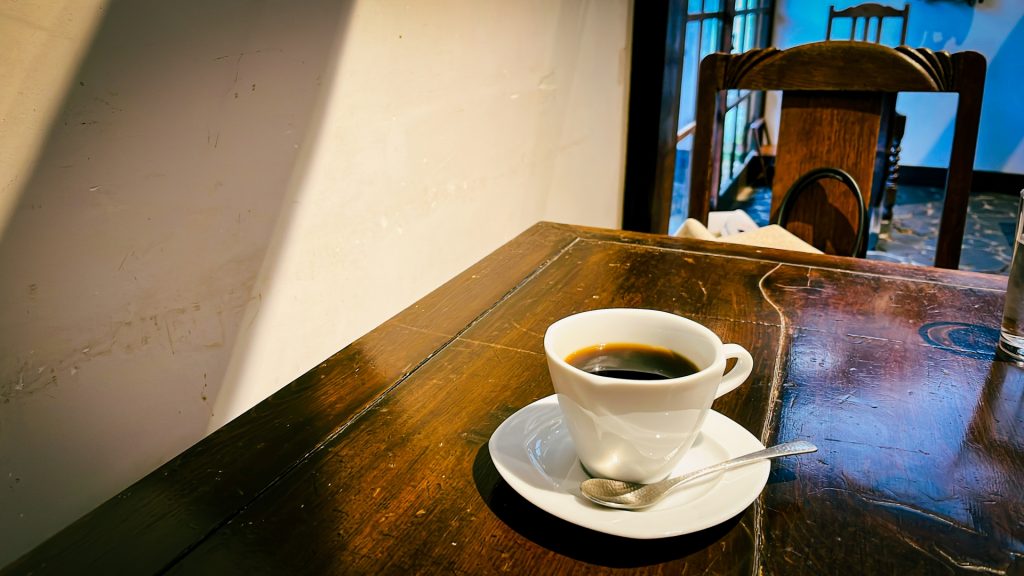
The first Japanese café was born in 1911 with the opening of “Café Paulista” in Tokyo’s Ginza district. At the time, cafés were seen as modern salons where intellectuals and elites gathered to socialize. These cafés were not just places to drink beverages but symbols of the Western-inspired modernization spreading through Japan.
During the Taisho era (1912–1926), café culture boomed, particularly in urban areas. Cafés often served not only coffee but also light meals and desserts, becoming cultural crossroads for artists and thinkers. Though inspired by the West, Japanese cafés gradually developed their own identity, blending international influences with local preferences.
The Rise of Pure Cafés in the Showa Era
Entering the Showa era (1926–1989), the concept of “jun-kissa” emerged. Translated as “pure cafés,” these establishments did not serve alcohol and focused solely on coffee and light meals. By the 1950s and ’60s, during Japan’s period of rapid economic growth, these cafés flourished across the country.
“Kissaten” provided people from all walks of life—students, office workers, and homemakers—a welcoming space to relax, study, or socialize. With their plush red velvet chairs, classical interiors, and comfortable ambiance, these cafés became deeply embedded in the everyday lives of Japanese people.
Even today, kissaten remain popular for their nostalgic charm. Many younger generations are now rediscovering these retro cafés thanks to the growing “Showa retro” trend, often shared on social media.

Must-Try Cafés Menus and Fun Trivia
Classic Kissaten Menu Items
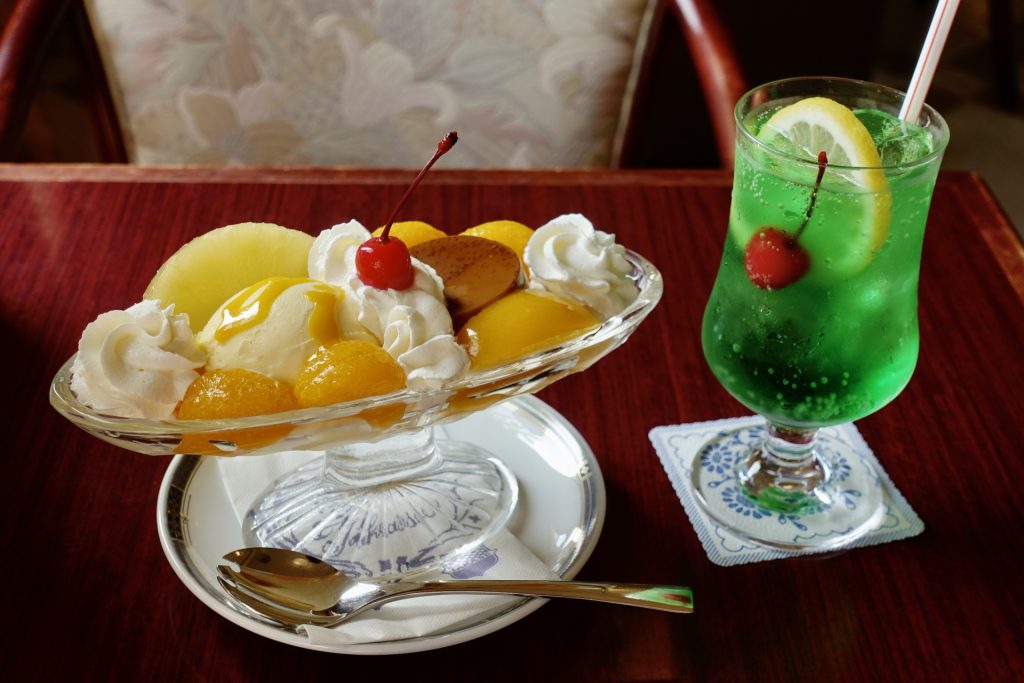
Kissaten are known for their distinctive and timeless menu offerings. The following table highlights some iconic dishes and beverages you’ll find at Japanese cafés:
| Menu Item | Features and Background |
|---|---|
| Napolitan | A Japanese original pasta made with ketchup, popular post-WWII. |
| Fluffy Pancakes | Thick pancakes topped with butter and syrup; a nostalgic delight. |
| Cream Soda | A green melon soda topped with vanilla ice cream; a Showa-era icon. |
| Mixed Sandwich | A hearty sandwich filled with egg salad, ham, and cucumber. |

Fun Trivia About Japanese Cafés
- The Secret Behind One Cup of Coffee
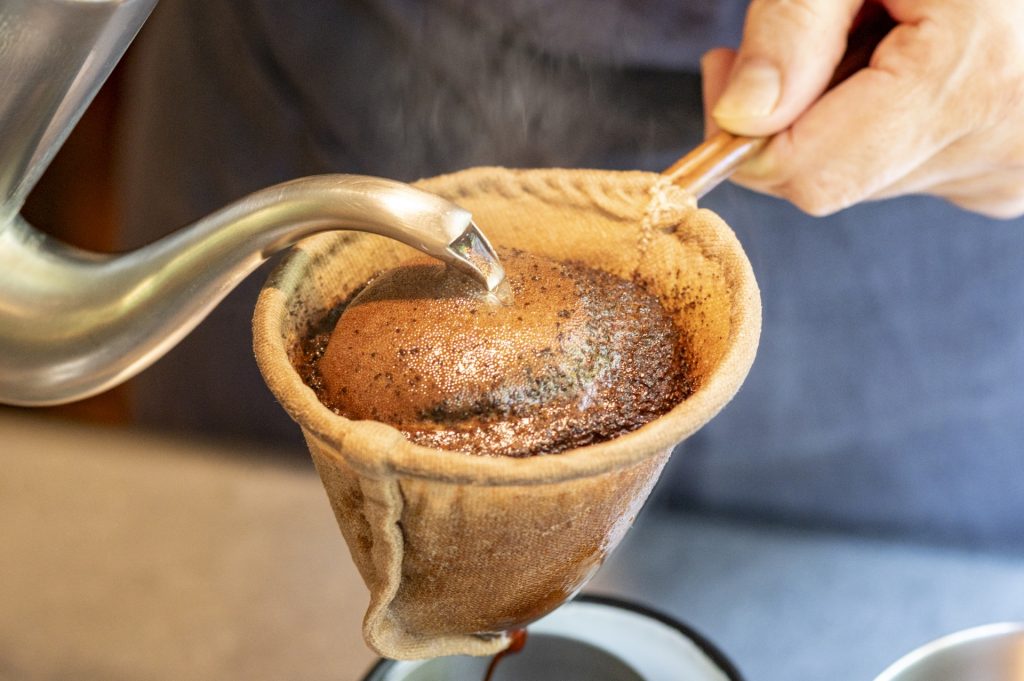
Did you know it takes about 60–70 coffee beans to brew just one cup? This careful balance is what creates the rich and full-bodied flavors that define kissaten coffee. - Napolitan’s Unique Origin
Despite its Italian-sounding name, Napolitan pasta is a Japanese creation. It was invented after World War II by a chef at Yokohama’s Hotel New Grand, who used ketchup and spaghetti as a base for a new dish. - The Retro Charm of Cream Soda
Green melon soda topped with creamy vanilla ice cream became a sensation during the Showa era. To this day, it’s a staple at kissaten, offering sweetness as well as a nostalgic reminder of simpler times.
Famous Cafés to Experience Japan’s Café Culture
Hokkaido: Savor Sweet Treats at Rokkatei
Rokkatei, a renowned confectionery brand in Hokkaido, offers not only famous sweets like their butter sandwich cookies but also in-house café spaces. Guests can enjoy freshly baked cakes and aromatic coffee in a serene, cozy atmosphere. Pairing these delicacies with coffee is highly recommended for a heavenly experience.
Nagoya: Embrace the Morning Culture at Komeda Coffee
Nagoya is famous for its unique “morning service,” and Komeda Coffee is one of its best-known café chains. Here, a cup of coffee comes with a complimentary side of toast and a boiled egg. Their signature “anko toast,” featuring a spread of sweet red bean paste over toasty bread, is a must-try. Visit in the morning to enjoy this local tradition!

Kyoto: Immerse Yourself in Retro Vibes at Inoda Coffee
Inoda Coffee is a long-established café in Kyoto that blends vintage charm with modern elegance. Its signature creamy café au lait pairs perfectly with their light breakfast or dessert options. The Gion branch is particularly famous for its old-fashioned interior and serene ambiance, making it an ideal rest stop during your Kyoto sightseeing trip.

Tips for Enjoying Japanese Cafés
Start with Classic Menu Items
If it’s your first time visiting a kissaten, opt for crowd-pleasing classics like cream soda or a stack of fluffy pancakes. These timeless choices are available at most cafés and will let you experience authentic café culture.
Ask for Recommendations
Don’t hesitate to ask the staff for their recommended menu items. Many cafés have unique house specialties or regional dishes that you might not find anywhere else.
Bring a Book or Notebook
Kissaten are excellent places for reading, writing, or journaling. With their tranquil music and laid-back environment, they offer the perfect backdrop for reflection or creativity. Many visitors bring along a favorite book or jot down ideas while enjoying their drink.
Conclusion: Discover the True Soul of Japanese Cafés
Japanese kissaten are more than just places to enjoy a coffee break. They are cultural experiences shaped by over a century of history, tradition, and unique flavors. From the nostalgic interiors to the homemade meals, every visit to a kissaten is an opportunity to step back in time while indulging in good food and warm hospitality.
For your next day off, why not plan a little café-hopping tour? Be it a retro kissaten with Showa-era décor or a historic café tied to local culture, these charming spaces promise to make your day truly special.