
The Shinkansen, also known as the “bullet train,” is one of Japan’s most impressive technological accomplishments. While many people use it for everyday travel, there’s much more to it than meets the eye. In this article, we’ll dive into unique facts, hidden stories, and tips on how to make your next Shinkansen journey even better. Let’s get started!
How Fast Can the Shinkansen Actually Go?
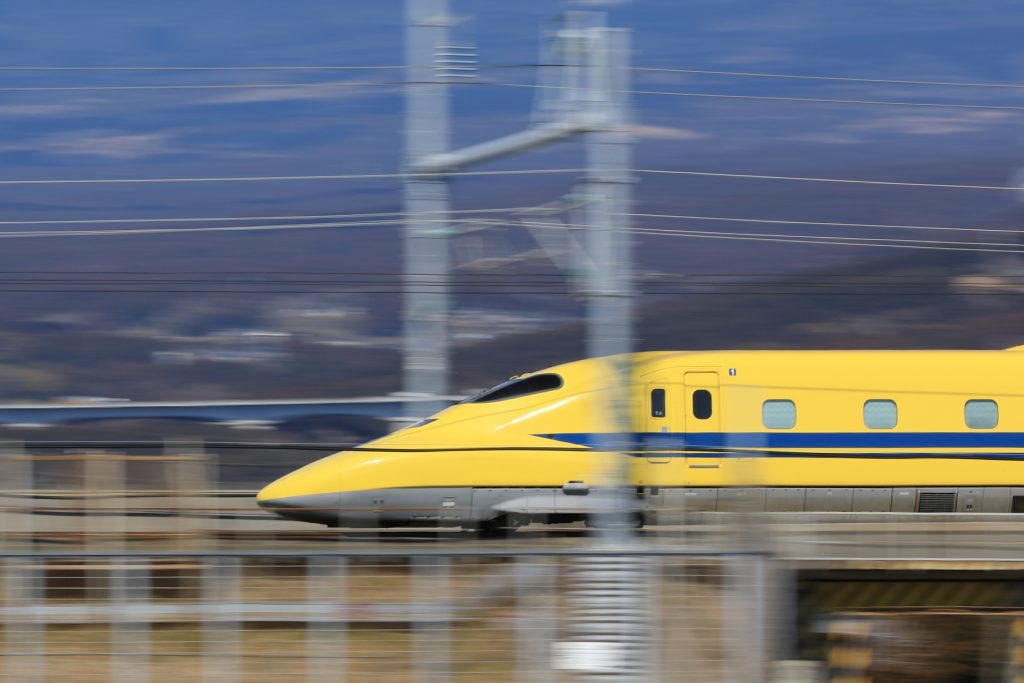
The Shinkansen is famous for its speed. For example, the Tokaido Shinkansen has a top operating speed of 285 km/h. However, did you know it can go even faster? During test runs for the upcoming Linear Chuo Shinkansen, speeds of 603 km/h were recorded! The maglev technology behind this project is planned to debut in the 2030s.
By the way, do you know which line is faster: the Sanyo or the Tohoku Shinkansen? The winner is the Tohoku Shinkansen. The “Hayabusa” train operates at a maximum speed of 320 km/h. This is partly because the Tohoku route has more straight tracks and fewer curves-—ideal conditions for speed.
Did You Know? The Shortest Shinkansen Stop Distance
Japan’s Shinkansen network is vast, but not all distances between stations are long. The shortest distance between two Shinkansen stops is between Mishima and Shin-Fuji stations on the Tokaido Shinkansen—just 18.9 km apart! In contrast, some sections like Niigata to Joetsu-Myoko on the Joetsu Shinkansen take over an hour to get to the next stop.
What Surprises Foreign Visitors About the Shinkansen
For international visitors, the Shinkansen is often full of impressive surprises. Most notably, its punctuality. The average annual delay for all trains combined is just 0.5 minutes. This perfection comes from both advanced technology and the diligent work of Japanese railway staff.
Another jaw-dropping point? The “7-minute miracle” cleaning process. A specialized cleaning crew refreshes every seat and aisle in just seven minutes between train arrivals. Efficiency and cleanliness at its finest!

On-Board Dining: Must-Try Shinkansen Bento Boxes
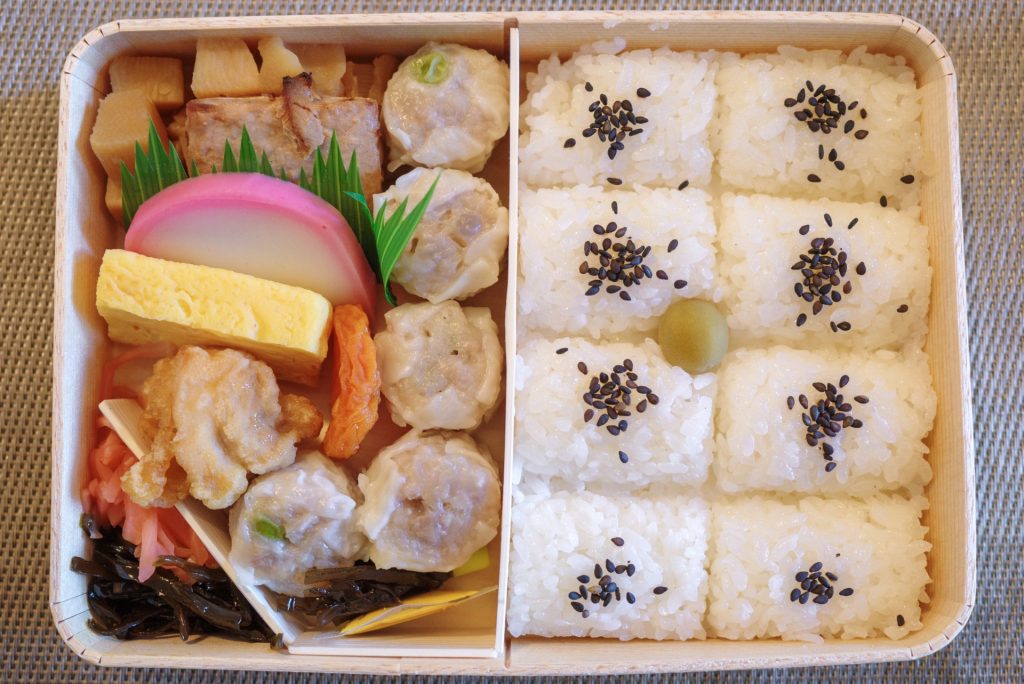
No Shinkansen journey is complete without an ekiben (train bento box). These gourmet lunchboxes are not just meals but culinary experiences. Some unique picks include:
- Tohoku Shinkansen: Uni Bento (Sea Urchin Bento), featuring fresh seafood delights popular in regions like Miyagi and Aomori.
- Hokuriku Shinkansen: Gyuniku Domannaka (Beef Bento), a flavorful, juicy beef box from Yamagata.
- Tokaido Shinkansen: Hitsumabushi Bento (Grilled Eel Bento), a Nagoya specialty that’s both fancy and satisfying.
Many regions also offer seasonal or limited-edition bentos, making the experience even more exciting.

The Shinkansen’s Future: What to Expect
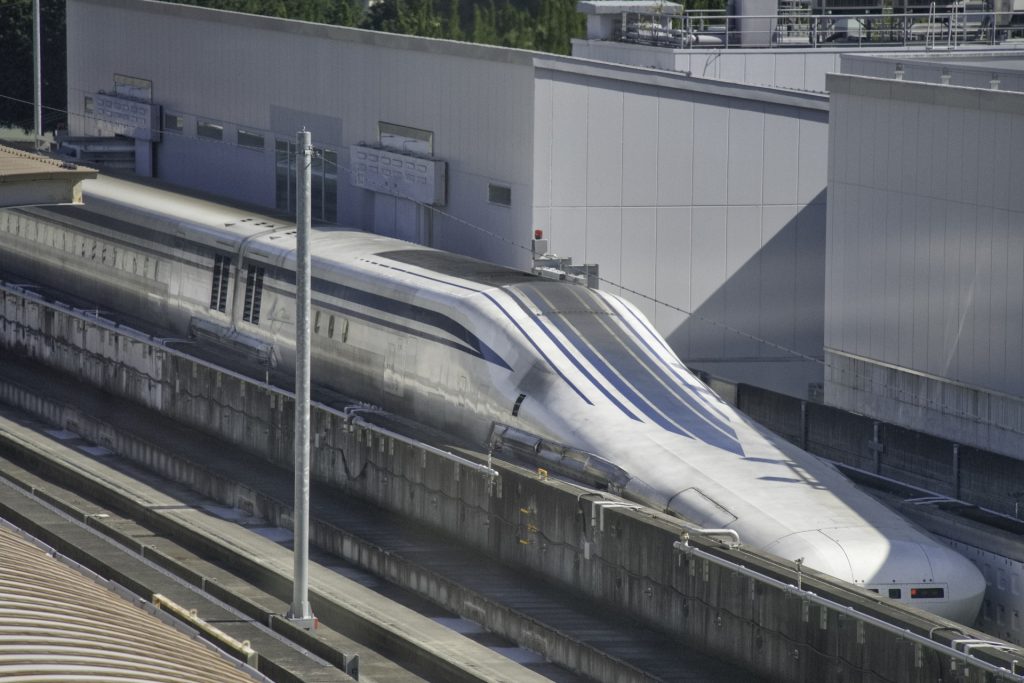
The future of the Shinkansen promises even more excitement. When the Linear Chuo Shinkansen opens, traveling from Tokyo to Nagoya may take just 40 minutes. Rail companies are also working to implement eco-friendly initiatives such as reducing carbon emissions.
Other updates being discussed include upgraded seating with private, suite-like cabins. As the Shinkansen evolves, it’s set to become not just a mode of transport but a key part of the overall travel experience.
The Shinkansen is more than just a train. It’s a symbol of innovation, tradition, and convenience. Whether it’s your first trip or your 50th, there’s always something new to discover. So next time you board, take a closer look out the window, grab a unique bento, and savor every moment of the journey!