When you think of Japanese bento, what comes to mind? Perhaps colorful lunch boxes filled with various delicious foods or a meal packed with love and care. In this article, we’ll dive into the fascinating world of Japanese bento culture, exploring its history, types, and tips to enjoy it. Let’s get started!
The History of Japanese Bento
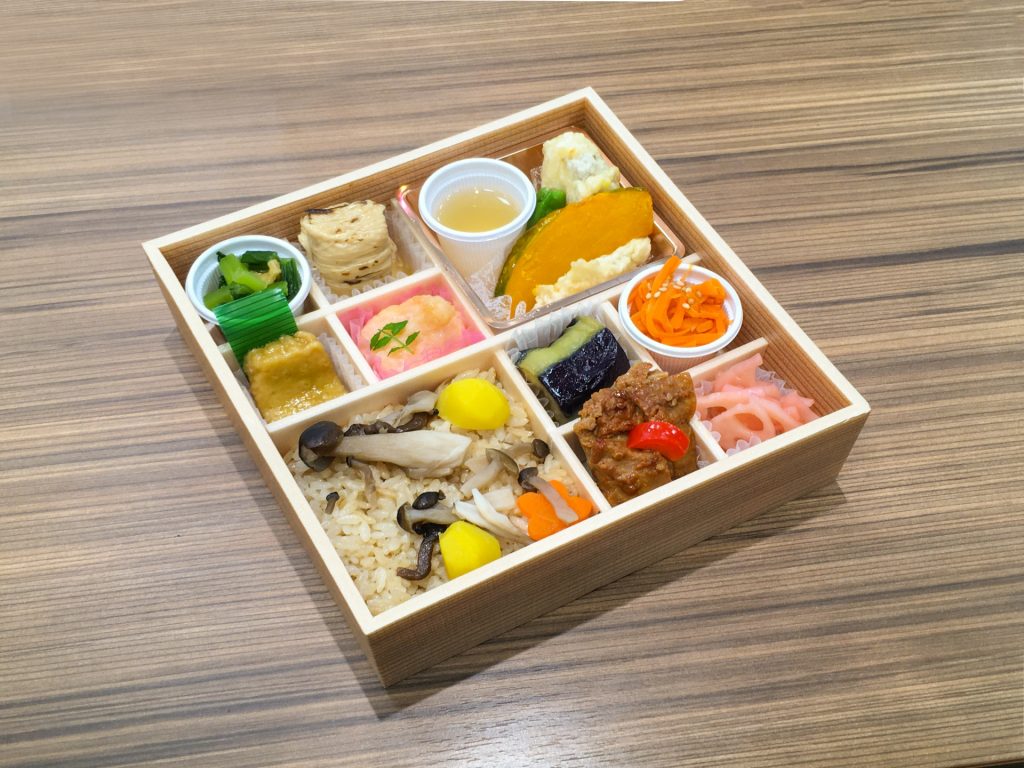
The history of bento in Japan dates back to the Heian period (794–1185). During this time, people carried portable food known as hoshii (dried rice) to take on journeys or for farmwork. This preserved food became the predecessor of modern bento. By the Edo period, the famous makunouchi bento, similar to today’s bento styles, emerged, enjoyed during theater intermissions.
In modern times, bento has evolved to become a part of everyday life in Japan. Whether homemade, from convenience stores, or specialty shops, bento serves as a quick, delicious, and convenient meal option.
Types of Bento: Explore Their Unique Styles
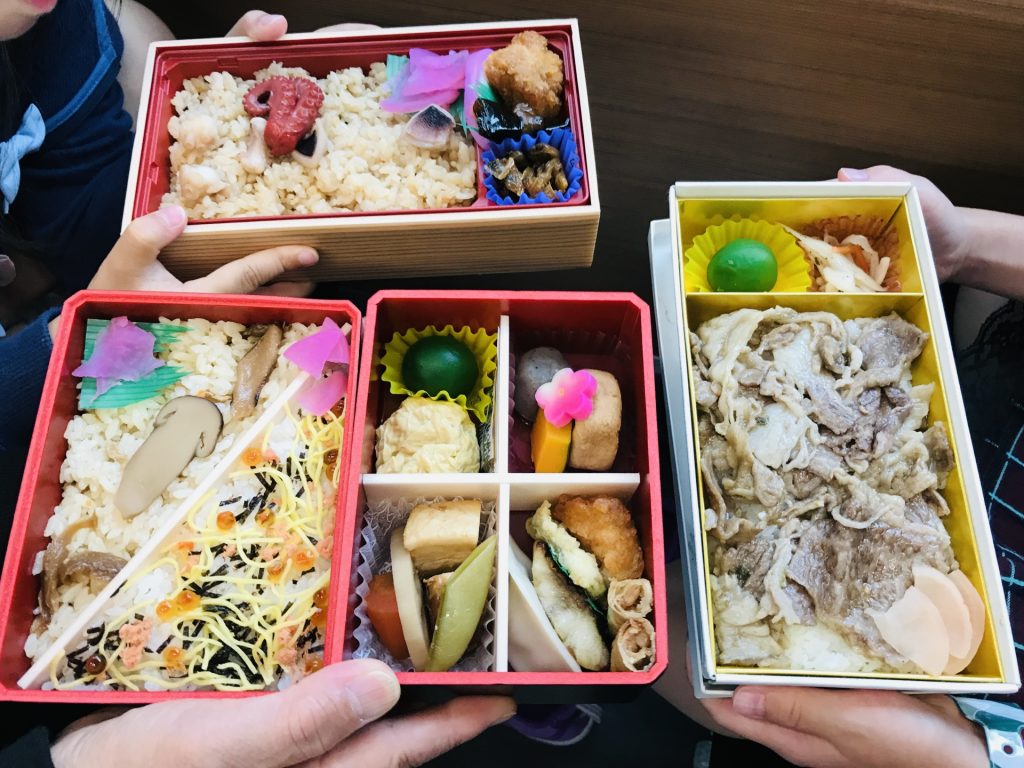
Japan offers a wide variety of bento styles. Let’s take a look at some of the most popular ones.
1. Makunouchi Bento
This classic bento is an assortment of delicious sides, such as fish, simmered vegetables, and tamagoyaki (rolled omelet). Typically, it is served with rice and a signature pickled plum (umeboshi). It originated in the Edo period as a meal enjoyed between acts at the theater.
2. Character Bento (Kyaraben)
These are adorable bento boxes where food is shaped like anime characters, animals, or other cute designs. Though they take extra effort, they bring joy to anyone opening the lid.
3. Ekiben
Ekiben, or “station bento,” is a culinary highlight of Japanese train travel. Regional specialties, like Hokkaido’s seafood bento or Miyagi’s beef tongue bento, make them must-try treats.

4. Convenience Store Bento
Japanese convenience stores offer an impressive variety of high-quality bento lunches. Stores like 7-Eleven, Lawson, and FamilyMart consistently surprise tourists with their tasty options.

Fun Facts About Japanese Bento
Here are some fun tidbits about bento that may surprise you:
- The green plastic grass often seen in sushi bento is modeled after real bamboo leaves once used for their antibacterial properties.
- Wooden bento boxes, such as magewappa, are making a comeback for their eco-friendly appeal and their ability to keep rice deliciously moist.
- Did you know some Japanese schools have “bento days” to encourage appreciation for homemade meals? These events highlight the deeper connection between food and gratitude.
Tips for Making the Perfect Bento
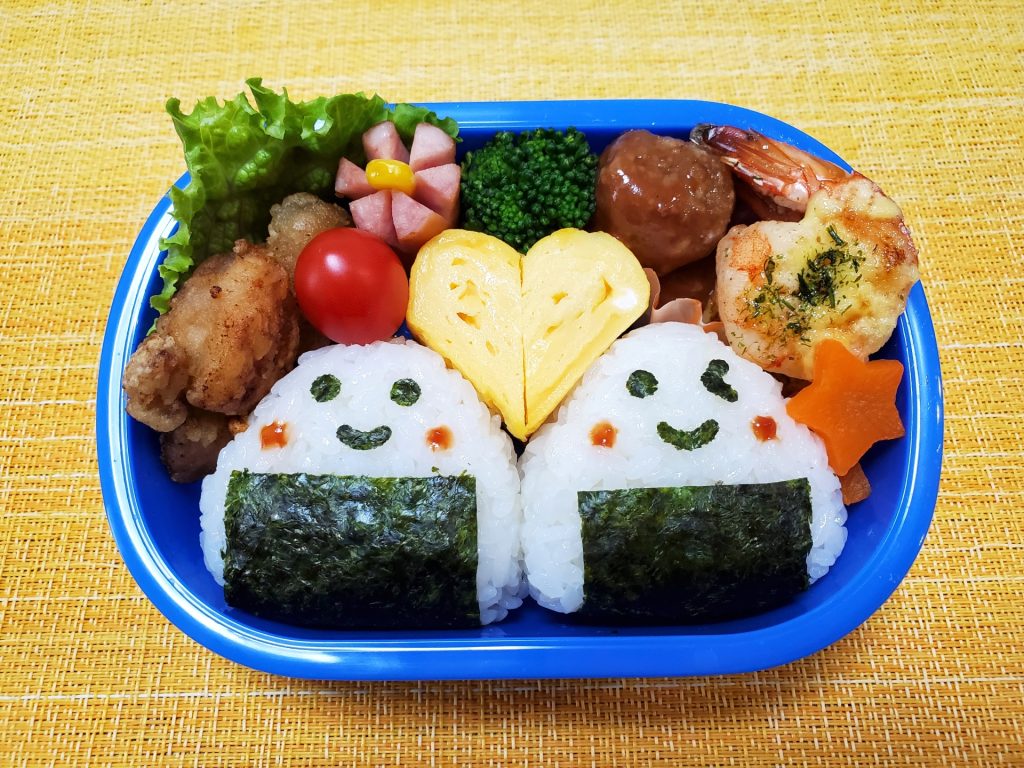
Want to create your own beautiful bento? Here are some handy tips:
- Focus on Colors
Incorporate red, yellow, and green ingredients for a visually appealing and nutritious meal. - Let Foods Cool Before Packing
Cooling your food prevents condensation and keeps the bento fresh. - Variety is Key
Mix sweet, salty, and tangy flavors to maintain excitement throughout the meal.
Bento: A Symbol of Japanese Food Culture
Japanese bento is more than just a meal—it’s a reflection of tradition, creativity, and care. Whether you try an ekiben on your travels or pick up a quick bite from a convenience store, bento offers a unique taste of Japan’s rich food culture.