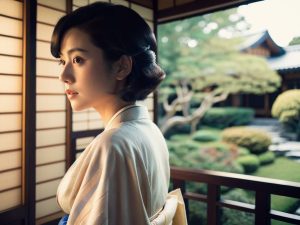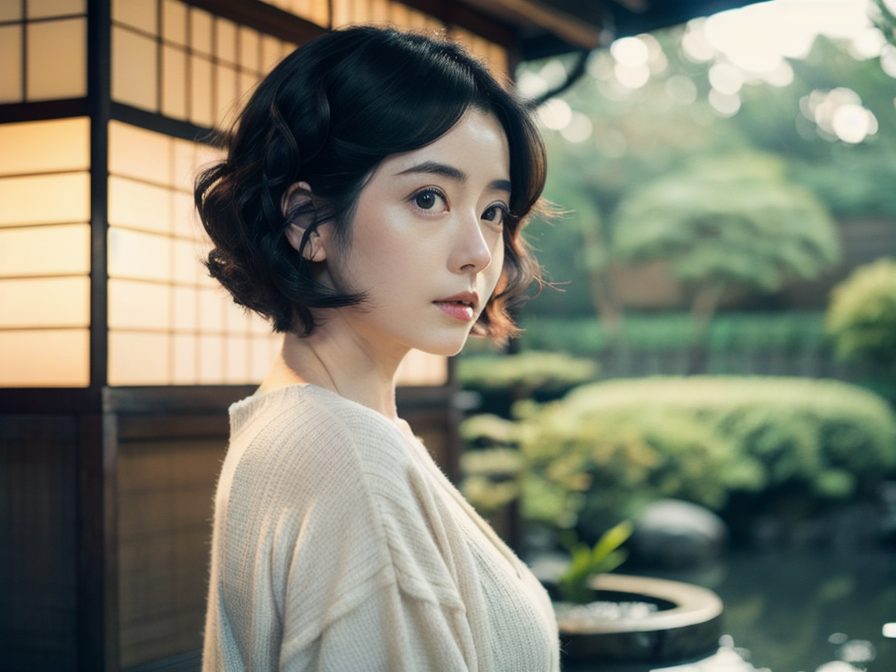
The “engawa” (veranda) is a quintessential feature of traditional Japanese homes. It’s not just an architectural element; it’s a space where you can feel Japan’s seasonal beauty and the connection between people and nature. In this article, we will delve into the history and features of the engawa, and introduce you to kominka (traditional Japanese houses) accommodations where you can fully enjoy its charm.
Step away from a busy daily life and connect to Japanese culture with a peaceful moment spent on the engawa.
What Is an Engawa? A Space Rooted in Japanese Living
The Role and Charm of the Engawa
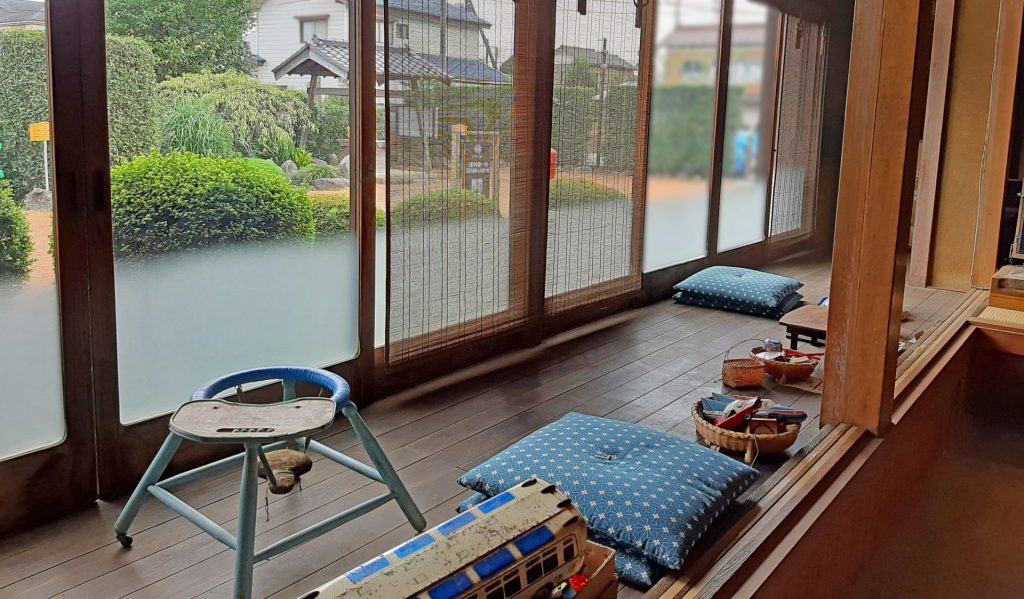
The engawa serves as a “semi-outdoor space” connecting the indoors and outdoors—a crucial element of Japanese residential design. More than just a part of the house, the engawa played several important roles:
- A Place to Feel the Seasons
The engawa offers a close connection to nature and the ability to enjoy seasonal changes. From cherry blossoms in spring and cicada songs in summer to autumn leaves and snowy winter landscapes, the engawa serves as a window to Japan’s ever-changing seasons. - A Space for Social Interaction
Traditionally, the engawa was a space where families and neighbors gathered, bridging the indoors and outdoors while fostering warm communication. - A Multi-functional Area in Daily Life
Practical uses of the engawa included hanging clothes to dry on rainy days or providing a safe play area for children. It’s a versatile space that complemented everyday living.
The History of the Engawa: How It Evolved in Japanese Architecture
The engawa traces its lineage back to Shinden-zukuri, an architectural style from the Heian period (794–1185). Aristocratic residences during this time featured verandas or “hisashi” as a way to enjoy gardens and natural surroundings.
Over time, from the Kamakura period through the Edo period (1185–1868), the engawa spread to modest dwellings as a practical feature, becoming a central part of townhouse and farmhouse architecture. For centuries, the engawa has been an indispensable element of Japanese living.
The Best Way to Experience Engawa: Stay at a Traditional Kominka!
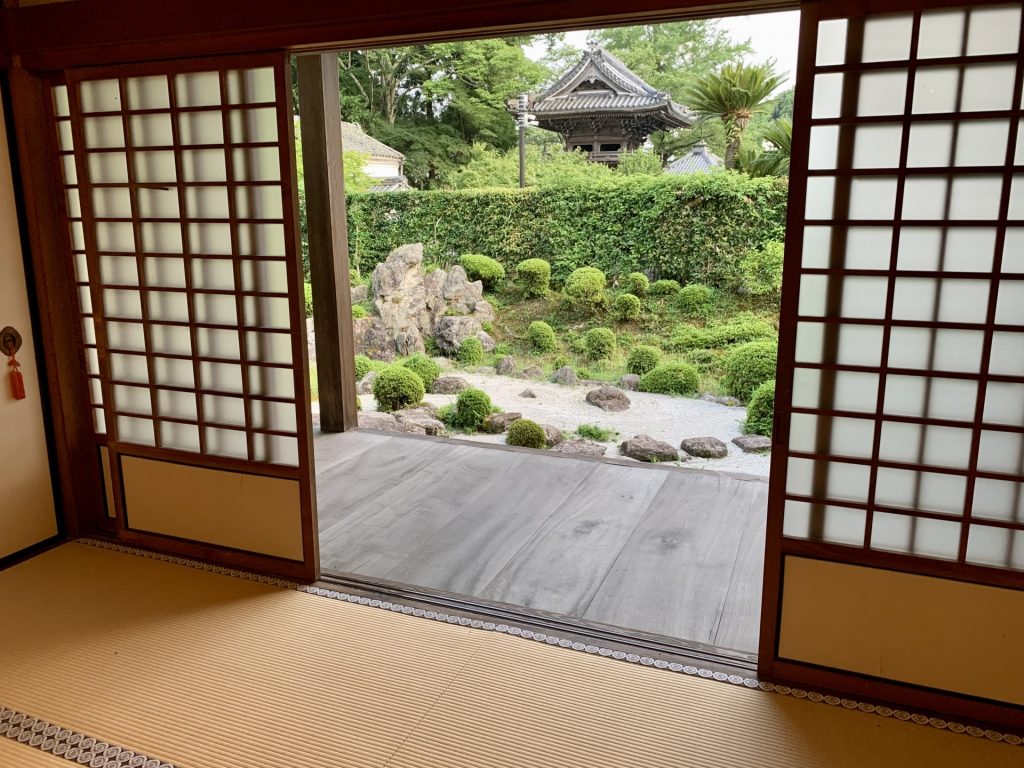
Want to truly dive into the charm of the engawa? A stay at a kominka, or traditional Japanese home, is the best way to experience its tranquility and beauty. These accommodations offer a chance to disconnect from modern life while immersing yourself in rustic surroundings.
Below, we introduce several trustworthy kominka accommodations where you can enjoy the beauty of the engawa to the fullest.
Recommended Kominka Accommodations with Stunning Engawa Spaces
Satoyama Jujo (Niigata Prefecture, Minami-Uonuma)
Satoyama Jujo is a luxurious accommodation built in a renovated 150-year-old kominka. Surrounded by the serene nature of Niigata’s countryside, the engawa here offers the perfect spot to relax while feeling the gentle breeze and marveling at breathtaking vistas.
- Highlights: A harmonious blend of modern design and traditional architecture, locally sourced gourmet dining
NIPPONIA Mino Shokamachi (Mino City, Gifu Prefecture)
Located in the historic city of Mino, famous for its traditional Japanese paper (washi), this accommodation occupies a remodeled merchant house. The spacious engawa here allows you to relax while gazing out at the beautifully preserved Edo-period streets.
- Highlights: The charm of Edo-era architecture, a peaceful retreat in a historic town
A Journey to Rediscover the Essence of the Engawa
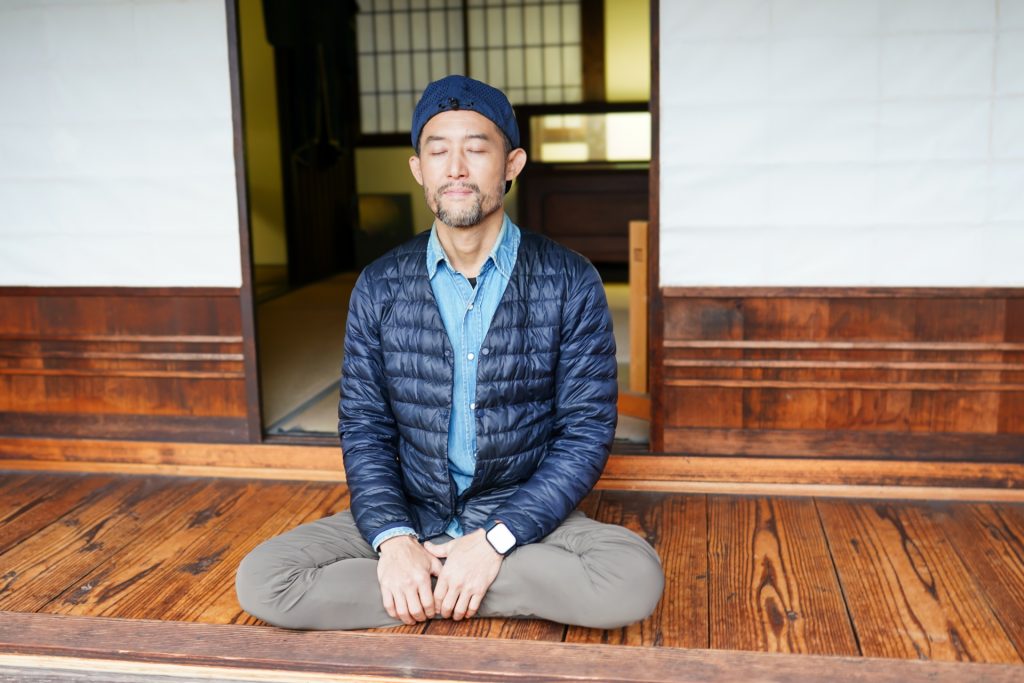
The engawa embodies more than just architectural beauty—it reflects Japanese culture and living at its finest. By sitting on the engawa, you can reconnect with the seasons, the landscape, and yourself.
Why not take a step back from the demands of daily life, book a stay at one of these kominkas, and experience a piece of timeless Japan? Spending tranquil days at an engawa is not just a nostalgic experience but also a rejuvenating escape into Japanese tradition.