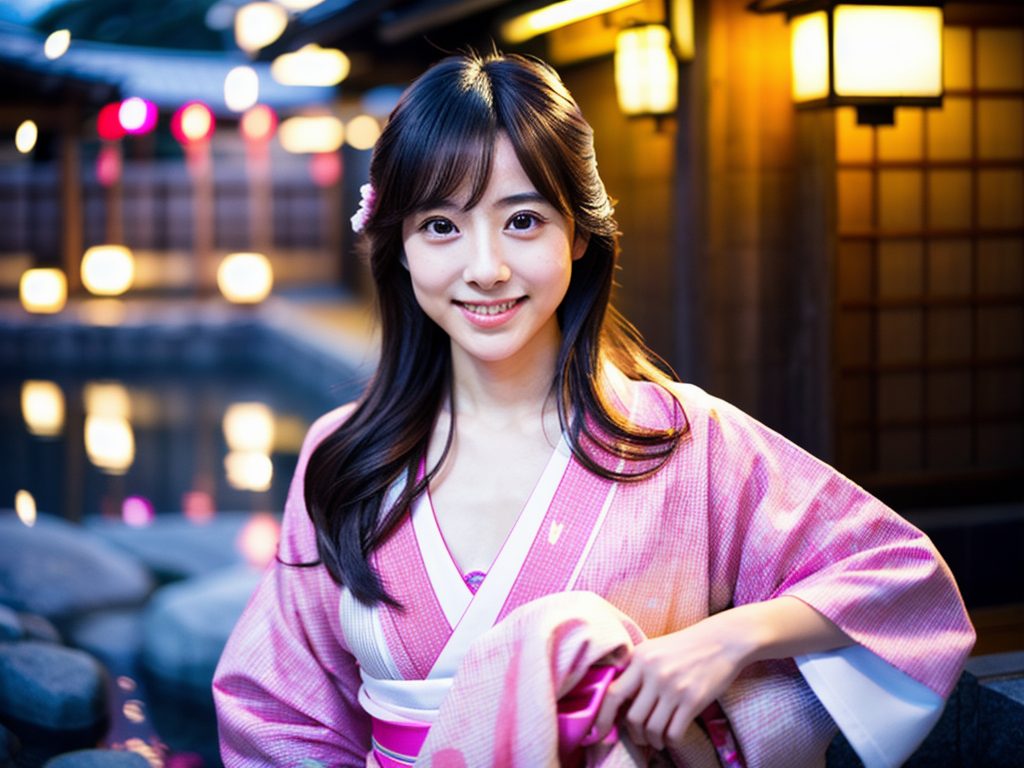
Hot springs in Japan are not just places to relax—they’re deeply connected to the country’s history, science, and culture. Learning more about them can make your trip more enjoyable and meaningful. In this article, we’ll share fun facts, essential tips, and some fascinating knowledge about Japanese hot springs (onsen). Whether you’re new to onsen or a long-time fan, you’ll find something interesting here!
Types of Hot Springs and Their Healing Benefits
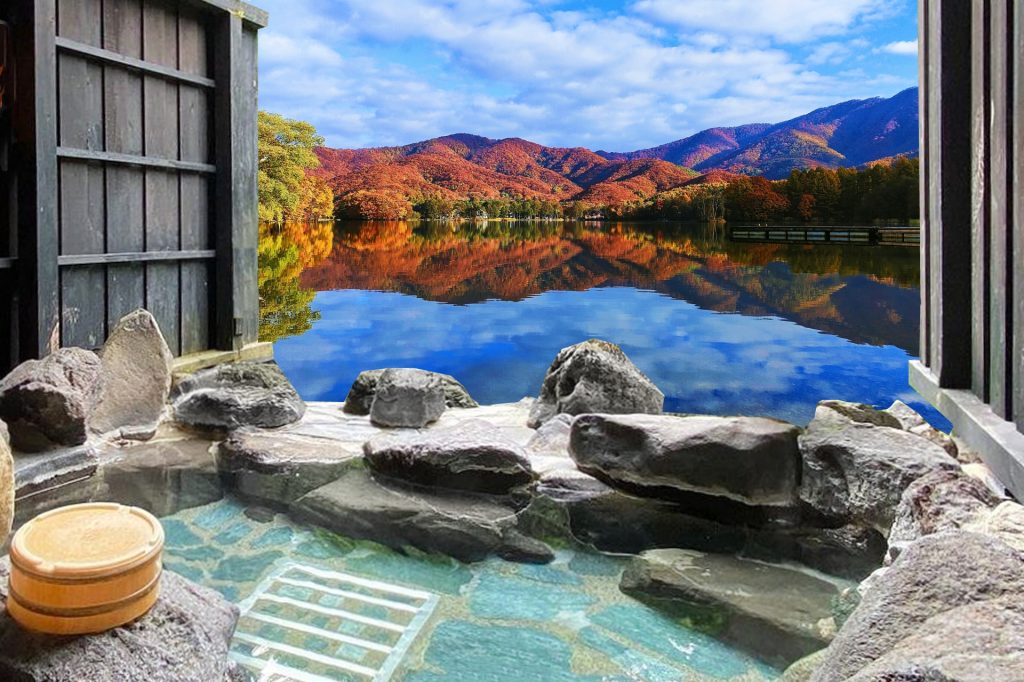
Not all hot springs are the same! Japan has various types of hot springs, each with unique characteristics and benefits. Here’s a quick breakdown of the most common types:
Sulfur Springs
If you’ve ever smelled a hot spring that has a strong “egg-like” odor, it’s probably a sulfur spring. These springs are known for their skin-healing properties and antibacterial effects. People also believe they can help relieve joint pain and skin conditions.
Carbonated Springs
Have you ever found a fizzy hot spring? These carbonated springs are rare but highly effective. The tiny bubbles in the water help improve blood circulation and reduce muscle fatigue. It’s like soaking in a natural, relaxing soda bath!
Chloride Springs
These are often called “heat-retaining springs” because the salt in the water keeps your body warm even after you leave the bath. On colder days, these springs are especially popular since they help prevent “chilling” after bathing.
By understanding the unique benefits of different springs, you can choose one that meets your needs, whether it’s relaxation, healing, or beauty care.
Basic Onsen Etiquette You Should Know
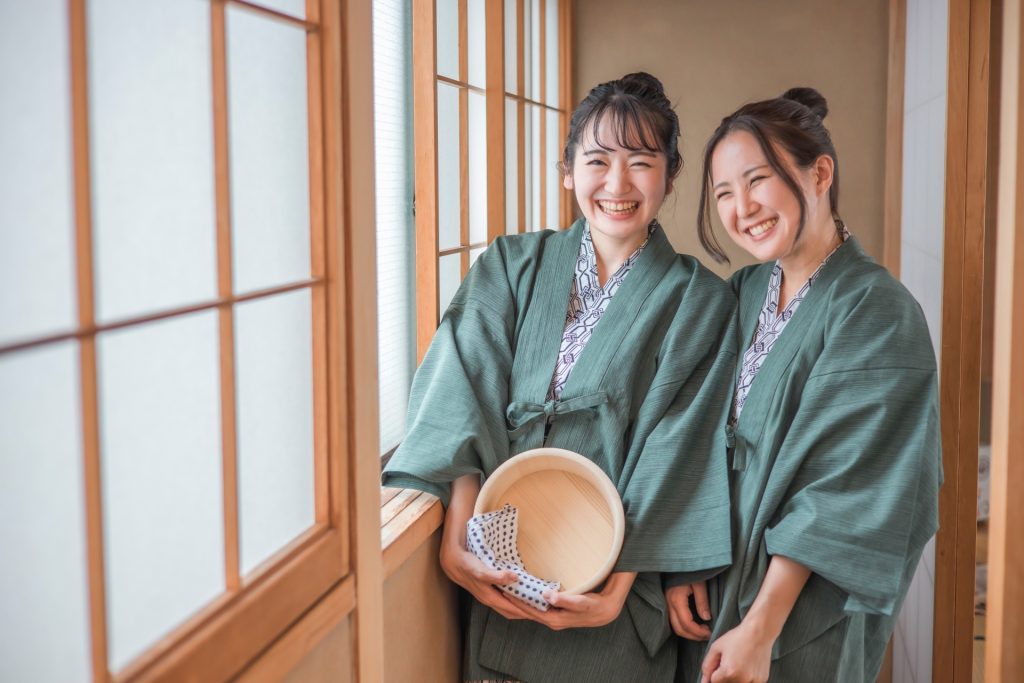
Going to an onsen is a relaxing experience, but there are also rules to follow. Here are the most important ones to remember:
Wash Your Body First
Before soaking in the onsen, always clean your body. Many onsen have a place to rinse yourself with warm water—it’s called “kakeyu.” This step helps keep the shared bath clean and also prepares your body to adjust to the hot water temperature.
Don’t Put Your Towel in the Bath
While it may be tempting to soak your towel in the water, this is actually considered bad manners. Keep your towel outside the bath or place it on your head if needed.
Keep Noise to a Minimum
An onsen is a peaceful place for people to relax. Speaking loudly or splashing water can disturb others, so it’s best to stay quiet and respectful.
Practicing these simple rules will ensure you and others have a pleasant and relaxing time at the onsen.
Interesting Facts About Japanese Hot Springs
Japanese hot springs are full of history and surprising details. Here are some fun facts to impress your friends:
Japan Has the Most Hot Springs in the World
Believe it or not, Japan is home to over 27,000 hot spring sources and around 3,000 hot spring resorts! With so many options, there’s sure to be a perfect onsen destination for everyone.
Why Are Onsen Eggs So Delicious?
Onsen eggs (onsen tamago) are a special delicacy made by slowly cooking eggs in hot spring water. The egg white becomes silky soft, and the yolk is rich and creamy. The secret lies in the gentle heat of the water, making the eggs cook perfectly over time. Don’t miss trying one on your trip to an onsen!
What Is “Toji”? A Traditional Way to Enjoy Onsen
“Toji” is the practice of extended stays at hot springs for healing purposes. It dates back centuries when people stayed at onsen resorts for weeks or even months to treat chronic illnesses or stress.
Even today, some onsen resorts offer special plans designed for toji. Famous examples include Tamagawa Onsen in Akita Prefecture, known for its high acidity, and Kusatsu Onsen in Gunma Prefecture, one of Japan’s top onsen destinations. Toji is not just about relaxing—it’s about using hot springs as a natural way to improve your health over time.
Try Local Onsen Food for a Full Experience
No onsen trip is complete without trying the delicious local food! Here are some popular treats you can find at hot spring resorts:
Onsen Manju
Onsen manju (steamed buns filled with sweet red bean paste) are a must-try snack. One of the most famous onsen manju comes from Ikaho Onsen in Gunma Prefecture. These buns are slightly warm and pair perfectly with a cup of green tea.
Regional Delicacies
At onsen towns like Hakone, you’ll also find unique local foods. For example, “Hakone Bakery” is popular for its freshly baked bread using local ingredients. Their signature items, such as butter rolls, are irresistible after a long hot bath.
Add a Little Extra to Your Onsen Trip
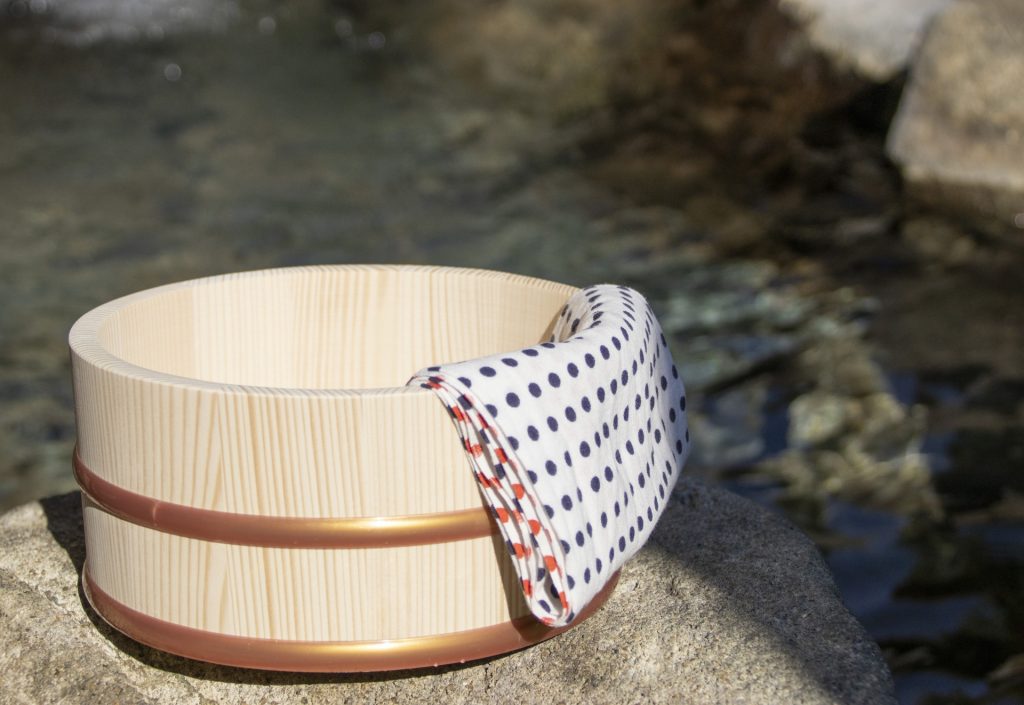
In addition to soaking in onsen, there are plenty of ways to enhance your overall experience. Recently, combining onsen with sauna sessions or “rock bathing” (ganbanyoku) has become very popular. Alternating between a sauna and onsen is said to deeply relax your body and improve blood circulation.
You can also take a stroll through the nearby streets of the onsen town. Many onsen towns are full of small gift shops, cafes, and local eateries. Exploring these areas can give you a better sense of the region’s unique charm.

Conclusion
Japanese hot springs are more than just a way to unwind—they’re a symbol of the country’s rich culture and history. From the unique types of water to the fascinating traditions of toji and delicious onsen cuisine, there’s so much to discover. Next time you plan a trip to the onsen, take some of these tips and facts with you to enjoy it even more. With a little extra knowledge, your onsen experience will be richer, more meaningful, and incredibly relaxing.