When you think of a kimono, you might picture it as something only worn on special occasions. But in reality, the kimono can be enjoyed in everyday life, and it’s full of fascinating traditions and stories you may not know about. In this article, we’ll explore the history of kimono, its various types, and how to enjoy wearing one. Plus, we’ll share some fun facts that will leave you saying, “Wow, I didn’t know that!” Let’s dive into the beautiful world of kimono!
Basics of Kimono and Its History
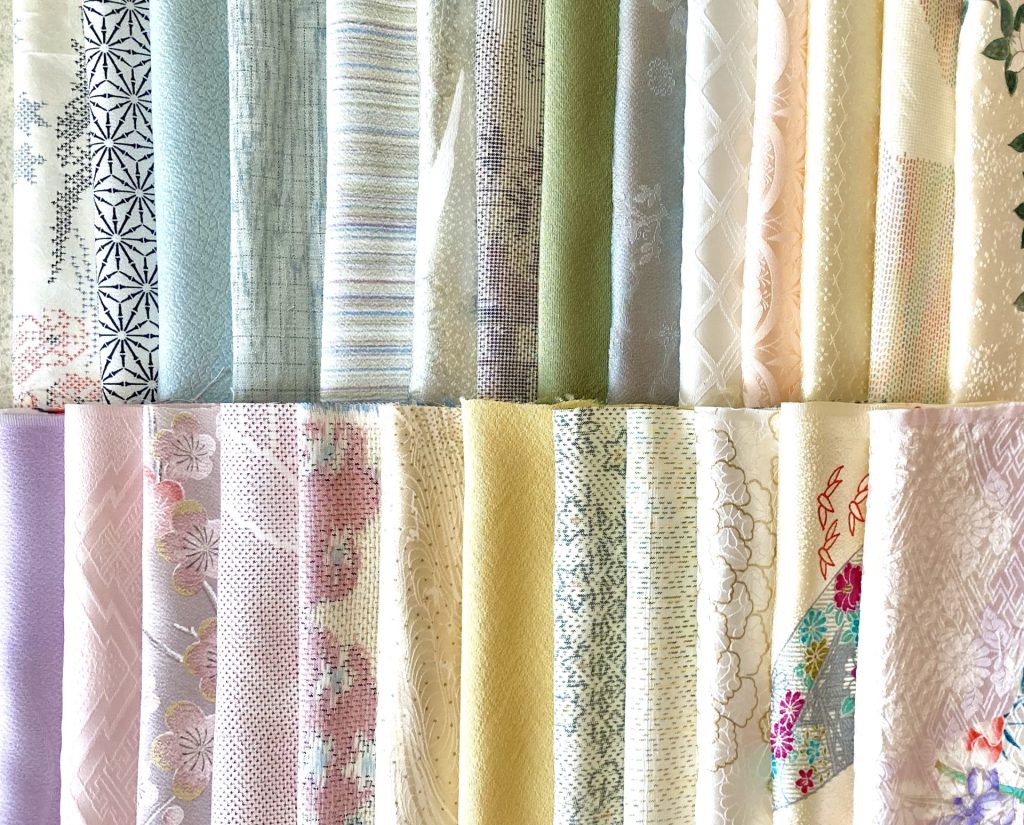
To start, let’s cover the basics. The kimono is a traditional Japanese garment with a history spanning hundreds of years. It has evolved along with the times, and today, you’ll find different styles such as houmongi or furisode, which are worn for specific occasions.
Tracing the Origins of the Kimono
The roots of kimono go back to the Nara Period (710–794). During this time, a garment called the kosode—a simple robe with short sleeves—served as the foundation for the modern kimono. As time passed, in the Heian Period (794–1185), elaborate and colorful robes like the juni-hitoe (12-layered ceremonial robes) became fashionable among aristocrats.
In the Edo Period, the kimono reached new levels of sophistication and style. Rich designs and vibrant colors gained popularity, and artisans developed new techniques such as Edo komon and Kaga yuzen. During this era, both the wealthy and commoners took pride in stylish kimonos, with trendsetters acting as the “fashion influencers” of their time!
In the Edo Period, washing a kimono was a labor-intensive task. The garment would first be completely unraveled and then cleaned piece by piece. It was then sewn back together—a sustainable way of caring for and reusing clothing long before “sustainability” became a global buzzword.

Types of Kimono and How to Wear Them for Different Occasions
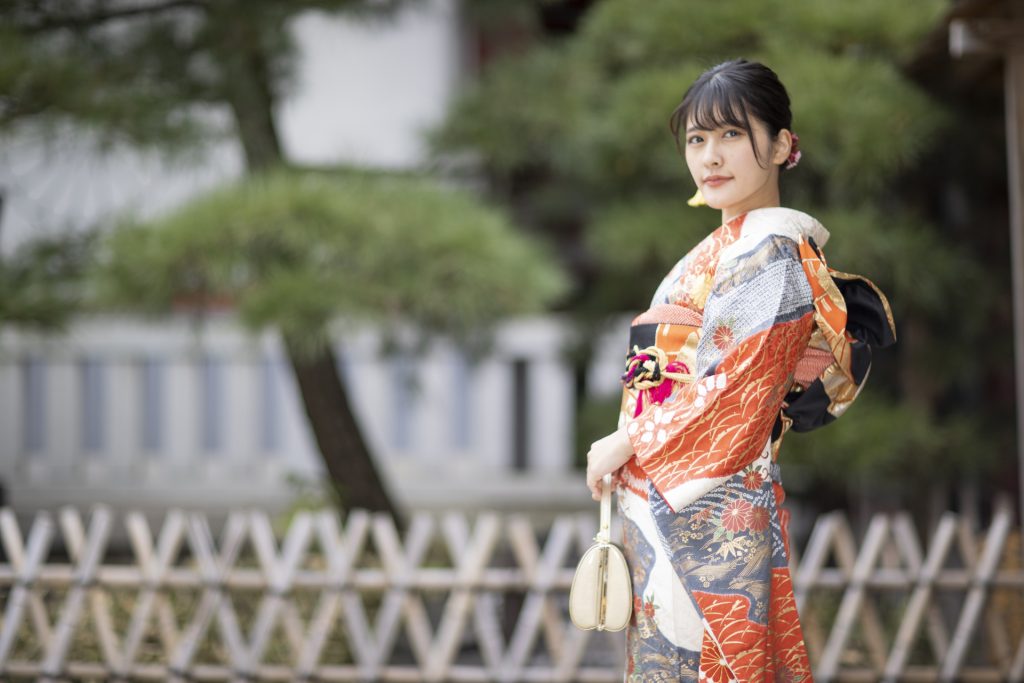
For those who are overwhelmed by the variety of kimonos, we’ve broken down the main types and how to choose the right one based on the occasion.
Main Types of Kimono and Their Uses
- Furisode
This is the most formal kimono for unmarried women. Its long, flowing sleeves make it a stunning choice for coming-of-age ceremonies and weddings. - Houmongi
A formal yet versatile kimono for both married and unmarried women. It’s perfect for parties, weddings, or semi-formal gatherings, with its elegant patterns covering the shoulders and extending over the garment. - Iromuji
A solid-colored kimono without patterns. Suitable for formal and casual situations depending on how you style it with accessories like the obi (belt). - Yukata
Casual and lightweight, yukata is the perfect summer attire. It’s often worn to festivals or fireworks displays and is easy to wear because it doesn’t require an underlayer (naga-juban).
Occasion-Specific Recommendations
- Weddings and Formal Events
If you’re attending a wedding or formal gathering, a houmongi or iro-tomesode is your best bet to look appropriately dressed and elegant. - Summer Festivals or Fireworks
For casual summer fun, a yukata featuring bright and cheerful patterns is an easy pick. Pair it with a comfy pair of sandals and enjoy the summer vibes! - Casual Sightseeing
On a sightseeing trip, opt for a comfortable tsumugi kimono or a cotton one. These lightweight options allow you to move freely while still looking sophisticated.
Fascinating Facts About Kimono
Kimono isn’t just clothing—it’s steeped in cultural significance. Here are a few fascinating facts you might not know:
The Right Way to Wear a Kimono
When dressing in a kimono, always cross the right side under the left side. Crossing the left over the right is reserved for the deceased at funerals, and wearing it this way in daily life is considered very bad luck!
Meaning Behind Patterns
Did you know that kimono patterns carry symbolic meanings? For example, the crane represents longevity and happiness, while bamboo symbolizes growth and resilience. Meanwhile, plum blossoms, known for blooming in winter, signify strength and beauty in adversity. By choosing a pattern, you can subtly express your aspirations or mood.
How to Enjoy Kimono Today (Even for Beginners!)
Wearing a kimono is no longer limited to professionals or formal occasions. Here are some modern ways beginners can appreciate this traditional garment.
Rent a Kimono for a Day
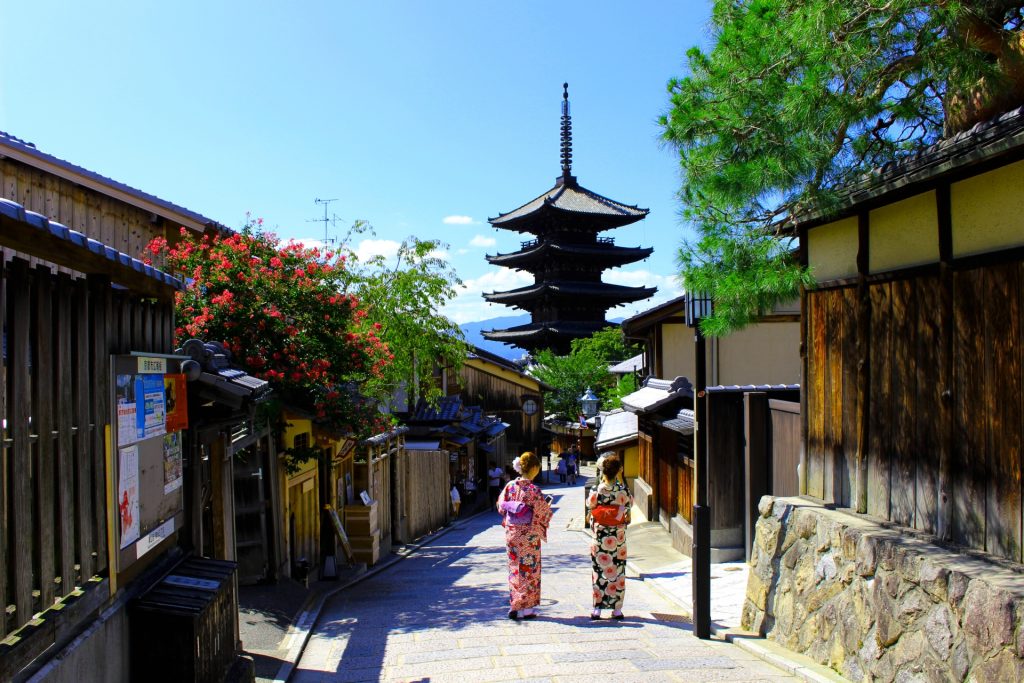
In various parts of Japan, kimono rental services for tourists are widely available. Especially in traditionally rich cities like Kyoto and Kamakura, you can enjoy wearing kimono in a way that feels extraordinary. These services are beginner-friendly, making them perfect for first-timers!
- Kimono Rentals in Kyoto
Kyoto is a hub for kimono experiences. The rental shop “Yumeyakata” offers a wide variety of kimono to choose from, along with professional dressing and hairstyling services. Plus, taking photos with traditional townhouses or Japanese gardens as your backdrop will make for unforgettable memories you’ll cherish forever. - Strolling Through History in Kamakura with Kimono
Kamakura, known for its many historical temples and shrines, is a popular spot for enjoying a kimono experience. “VASARA” rental services are available at multiple locations across Japan, offering easy and professional kimono dressing at any store. Pair your kimono outing with visits to Japanese sweets cafes for an even more unique and memorable experience!
Start a Casual “At-Home Kimono” Lifestyle
If wearing a kimono in public feels intimidating, why not try an “at-home kimono” lifestyle? Lightweight, casual cotton kimonos can be worn as loungewear. It’s an excellent way to appreciate Japanese culture while embracing a touch of elegance in your daily routine.
Conclusion
What do you think? In this article, we’ve explored the rich history, unique types, and fun ways to enjoy kimono. More than just a traditional garment, the kimono tells a story steeped in history, culture, and artistry. Whether you wear one at a festival, a sightseeing spot, or in the comfort of your home, the kimono offers a deep connection to Japanese tradition. Find your own favorite style and fall in love with the beauty of kimono!