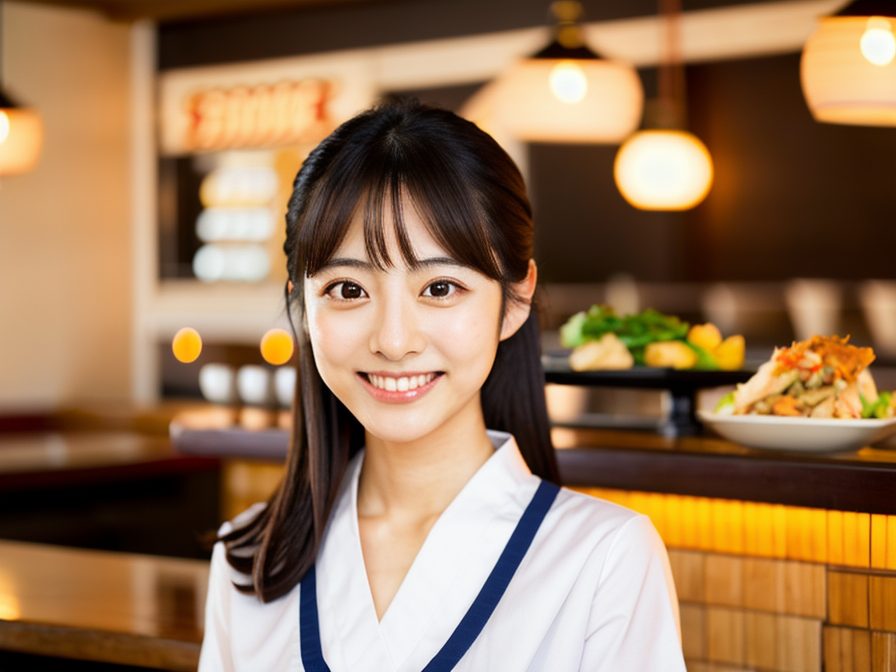
Family restaurants, or “famiresu” in Japanese, have become a beloved part of daily life in Japan. Whether you visit as a family, solo, or with friends, their unmatched convenience and warm atmosphere resonate with people nationwide. But do you know why Japan’s family restaurant culture is so well-developed or how you can best enjoy it?
What Are Family Restaurants? The Origins and Evolution in Japan
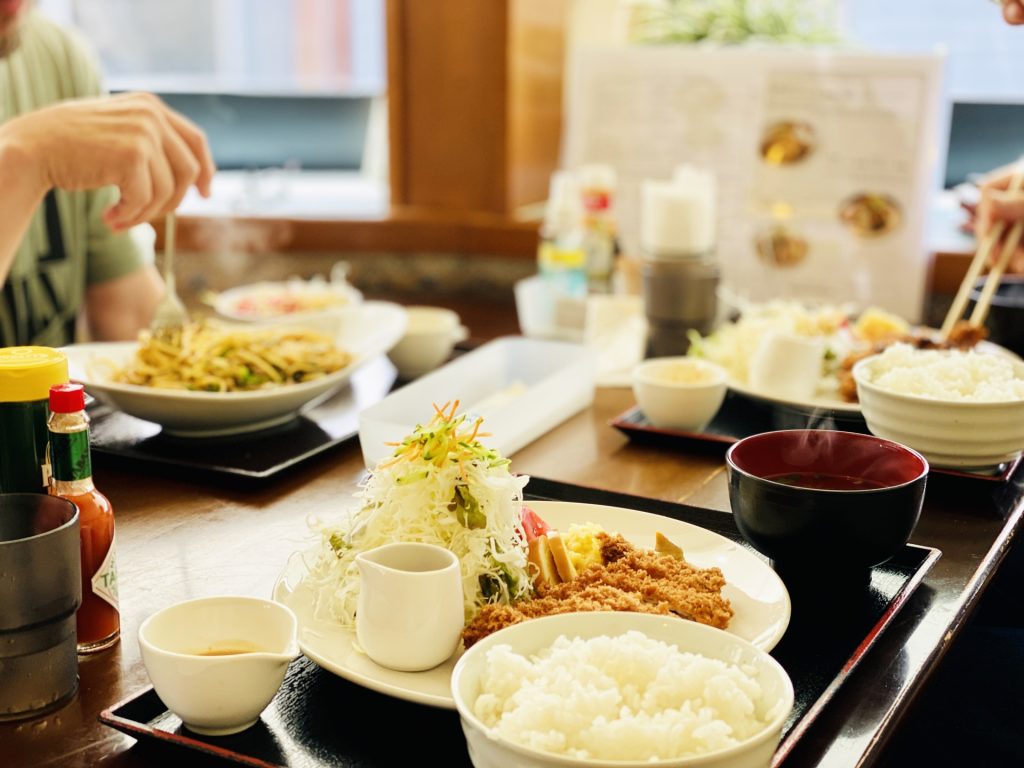
The word “famiresu” is short for “family restaurant,” a casual dining style originating in the United States. It was designed as a space where people could enjoy affordable and diverse meals in a relaxed setting.
The Start of Family Restaurant Culture in Japan
Japan’s family restaurant culture began to take root in the 1970s. In 1970, “Skylark” opened its first restaurant, introducing the concept of casual dining to the Japanese market. At the time, dining out in Japan was typically limited to high-end establishments or traditional eateries, making Skylark’s model a revolutionary departure.
By the late 1970s and 80s, chains like “Denny’s” and “Saizeriya” followed, expanding the concept across Japan. Today, family restaurants have become a staple of Japanese life, with at least one in almost every town or neighborhood.
Why Are Japanese Family Restaurants So Popular?
Clear Target Audience and Wide Appeal
One of the standout features of family restaurants is that they offer something for everyone, from kids to adults. For instance, chains like “Saizeriya” specialize in affordable Italian cuisine, while “Royal Host” caters to those seeking a more upscale menu. This diversity of choices is one of the main reasons all generations love family restaurants.
Convenience at Its Best
Family restaurants provide a welcoming space where you can sit down quickly, order easily, and spend time comfortably. Many locations now feature free Wi-Fi and power outlets, making them perfect spots for remote work or enjoying a book over a cup of coffee.
Family-Friendly Features
As the name suggests, family restaurants are designed with families in mind. They often provide kids’ menus, high chairs, toys, and even discount coupons, making them incredibly family-friendly. Another unique aspect is the lively atmosphere—children can cry or play without parents feeling embarrassed.
Hidden Gems of Japanese Family Restaurants
Globally Remarkable Innovations
Japanese family restaurants have evolved in ways that are rare even globally. One example is robots being integrated into service. For instance, some “Gusto” locations have introduced cat-shaped delivery robots, which not only bring food but also delight customers with their adorable designs and playful meows. Similarly, “Coco’s” has implemented tabletop robots in some branches, allowing customers to order and pay seamlessly via touchscreens. Such technological experiments make dining even more enjoyable and efficient.
Chains with Their Own Farms?
Some family restaurant chains take pride in delivering quality by maintaining their own farms. For instance, “Saizeriya” and “Gusto” use farm-grown vegetables in their salads, ensuring freshness and sustainability. This commitment to quality is reflected in the flavors and builds trust among customers.
Revolutionizing with Drink Bars
Drink bars first became popular in Japanese family restaurants in the 1990s. This self-service concept allows customers to enjoy unlimited beverages without waiting, offering a variety of drinks from coffee to herbal tea. The success of drink bars has even influenced similar concepts in other industries.

Highlights of Popular Family Restaurant Chains
Gusto: The All-Rounder for All Ages
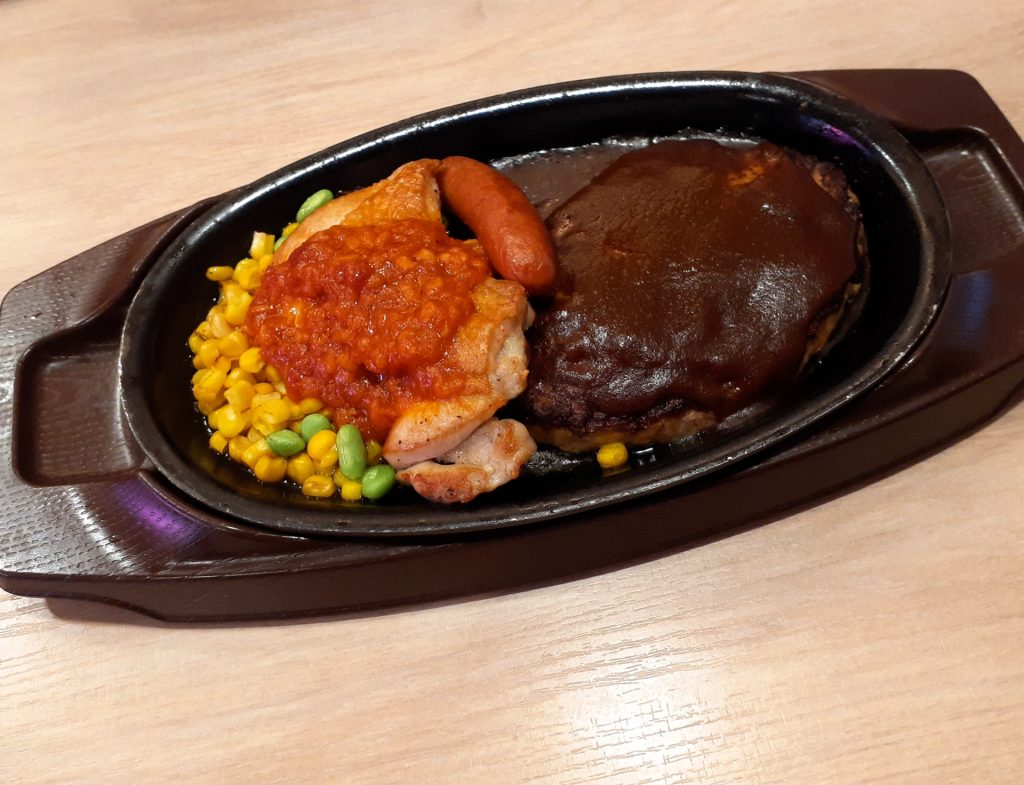
“Gusto” is known for its wide variety of menu items, catering to diverse tastes with options ranging from Japanese to Western dishes. One of its signature dishes is the “Cheese-IN Hamburger,” featuring cheese oozing out of a juicy patty served on a sizzling hot plate.
Seasonal desserts and main courses are another highlight of Gusto, such as rich chocolate sweets in winter or fresh strawberry treats in spring. It’s a perfect spot for both family dinners and casual lunches.
Saizeriya: Affordable Italian Delights

“Saizeriya” stands out for its unbeatable cost-performance ratio. With Italian staples like pizza, pasta, and gratins priced far below typical restaurant standards, it’s a favorite for budget-conscious diners. Many frequent visitors can’t resist the “Milano-style Doria,” a creamy and delicious baked rice dish, or the surprisingly tender “Grilled Lamb Skewers.”

Denny’s: Healthy Choices with Sweet Treats
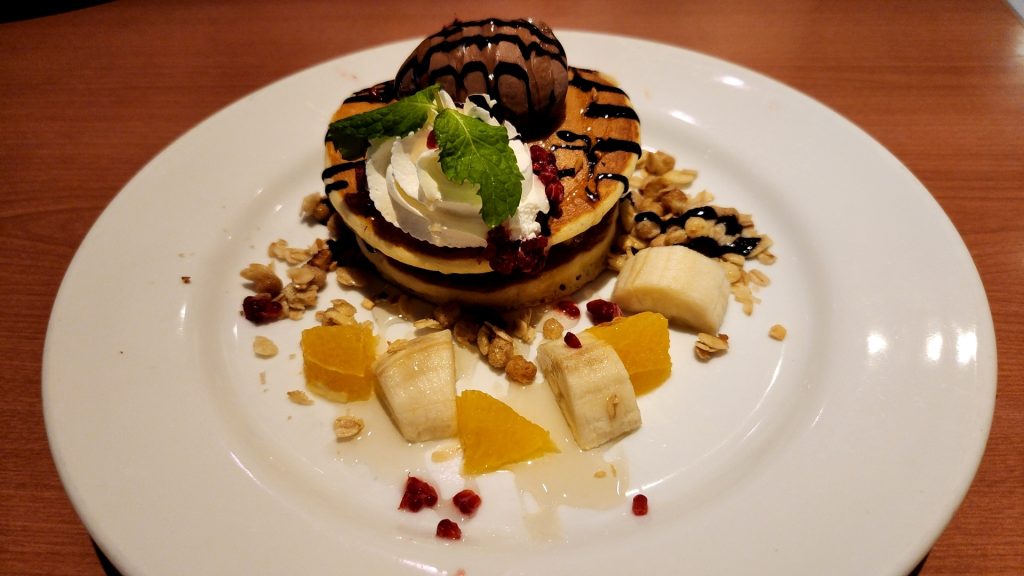
Originally from the U.S., “Denny’s” has developed its own identity in Japan. Focused on health-conscious diners, the menu boasts fresh salads and balanced meals. Their selection of desserts, such as pancakes piled high with fluffy cream or seasonal parfaits, also draws in sweet lovers from all walks of life.
Tips for Getting the Most Out of Family Restaurants
- Take Advantage of Morning Menus
Many family restaurants offer breakfast specials at reasonable prices. For example, “Royal Host” serves freshly toasted bread with scrambled eggs for a satisfying start to the day. - Choose Value-Added Sets
Most chains offer customizable set menus where you can add salads or soups for an enhanced meal. - Relax with a Drink Bar
With a wide variety of beverages, drink bars are perfect for relaxing. Whether you’re into hot drinks or flavored water, the extensive options allow you to unwind at your own pace. - Use Apps and Coupons
Download the official apps or check for coupons from your favorite chains to unlock discounts and special offers.
More Than Just a Place to Eat
Japanese family restaurants are more than just places to grab a meal—they’re spaces for relaxation and community. With high-quality food, affordable prices, and unique amenities, they’re tailored to fit every need, from casual lunches to solo coffee breaks.
The next time you visit a family restaurant, take a moment to appreciate their thoughtful design and innovative services. You might just discover a new way to enjoy these beloved dining spots!