
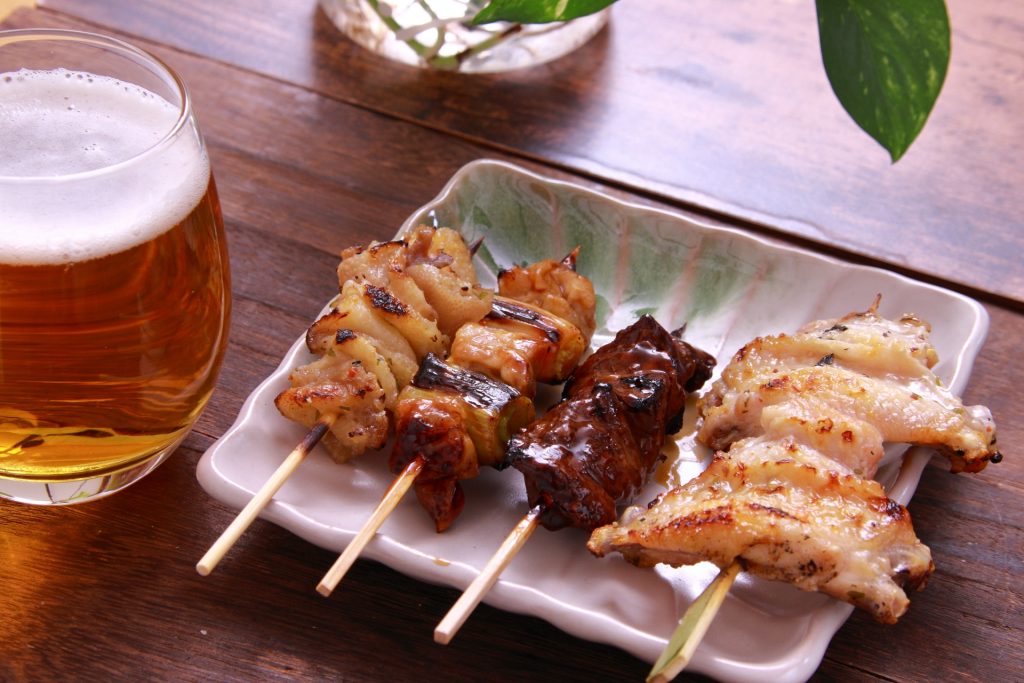
Yakitori, or grilled chicken skewers, is one of Japan’s most beloved izakaya menu items. Recently, its simple yet deep flavors have gained attention overseas as well. Just hearing the word “yakitori” might make some people crave a beer to go with it, don’t you think?
In this article, we’ll cover everything from the basics of yakitori to tips on enjoying it, along with some fun trivia that will make you say, “Wow, I never knew that!” Whether you’re already a yakitori fan or someone living abroad trying it for the first time, you’ll find this read both useful and enjoyable.
What is Yakitori? Understanding Its Unique Charm
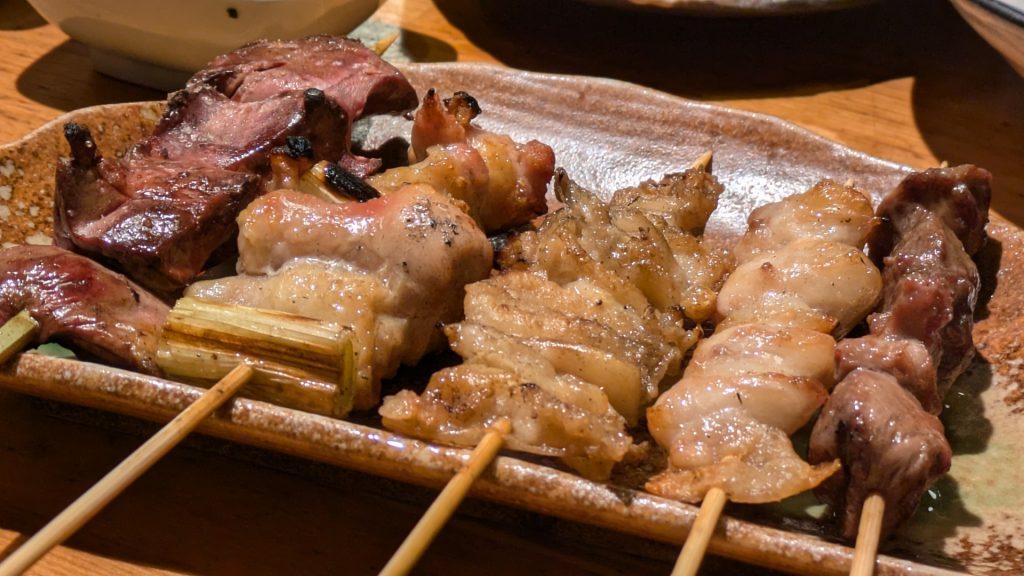
Yakitori is far more than just chicken on a stick. The flavor differs greatly depending on the parts of the chicken used, with each part having its own unique taste and texture. Let’s start by getting to know the most popular types and why they’re so loved.
Popular Yakitori Cuts
Wondering which parts of the chicken you should try first? Here are some of the most common cuts you’ll find on a yakitori menu:
- Negima
Juicy chicken alternating with fresh green onions on a skewer. It’s the ultimate classic, with the savory chicken and fragrant onions complementing each other. - Tsukune
Ground chicken shaped into delicate meatballs and skewered. Dip them in raw egg yolk for a rich, indulgent taste. - Kawa (Chicken Skin)
Love crispy or soft textures? Chicken skin gives you the option of both. Its savory richness pairs perfectly with a cold beer. - Hatsu (Heart)
Boasting a pleasantly chewy texture, chicken heart is full of umami and has a loyal following among yakitori fans. - Bonjiri (Tail)
This rare and fatty chicken tail cut is incredibly juicy and flavorful.
Of course, you’ll also find specialties like sunagimo (gizzards) or liver, each offering a distinct experience. Exploring the variety of cuts is the key to truly enjoying yakitori.
Sauce or Salt? Which Yakitori Style Do You Prefer?
Yakitori is typically seasoned in two main ways: tare (sauce) or shio (salt).
- Tare is a bold, sweet-savory blend of soy sauce, mirin, and sugar. It caramelizes on the meat, creating flavor-packed bites.
- Shio is simpler, using just salt to bring out the quality of the chicken itself.
Each seasoning style complements different cuts in unique ways. While fattier cuts tend to pair better with salt for balance, leaner cuts shine with the richness of tare. Mixing and matching allows you to discover exciting flavor combinations every time you eat yakitori.
Fascinating Yakitori Trivia That’ll Impress Your Friends
Want to elevate your appreciation of yakitori? Here are some fun and surprising facts about it, perfect for sharing at your next outing.
The History of Yakitori
Yakitori’s roots stretch back centuries. Chickens were first introduced to Japan in ancient times, but prohibitions on eating large animals due to Buddhist teachings turned focus towards smaller birds like chickens and wild fowl during the Heian era (794-1185). By the Edo period (1603-1868), grilling small pieces of chicken over charcoal started becoming common.
However, chicken remained expensive until the Meiji era (1868-1912), when Western meat-eating habits sparked a cultural shift towards consuming more poultry. Then, during the Showa period, advancements in chicken farming, like the introduction of broiler chickens, made chicken more affordable. Yakitori evolved from a luxury treat to a casual staple of Japanese street food and izakaya menus.
Did You Know Yakitori Skewers Are Full of Craftsmanship?
Behind every delicious yakitori skewer is the skill of a craftsman—and not just for grilling! Even the skewers themselves are a product of thoughtful design and functionality.
- Materials: Yakitori skewers are traditionally made of bamboo, which is lightweight, sturdy, and disposable. Some chefs use metal skewers, especially when grilling over high-temperature flames due to their durability.
- Shape and Thickness: The thickness of the skewer is carefully chosen to hold the meat securely while allowing it to cook evenly.
Each skewer is prepared using techniques passed down through generations. This attention to detail, starting from how the meat is prepared and skewered, ensures a better balance of flavors and texture.
Yakitori is a Master Class in Technique

The Japanese saying “Kushiyaki three years, grilling for life” refers to the deep skill required to perfect the art of yakitori.
- Kushiyaki (Skewering): Before the meat even hits the grill, the way it’s sliced, threaded, and balanced on the skewer plays a huge role in its final taste. A skilled yakitori chef ensures each cut cooks evenly by paying close attention to their size and thickness.
- Grilling: Cooking yakitori requires precision. Balancing heat, controlling flare-ups, and knowing just the right moment to turn the skewers are all essential techniques that take years to master. Charcoal adds another complex layer of flavor, making traditional yakitori an art form in itself.
Where to Enjoy Yakitori
Craving some amazing yakitori? You can find delicious options in both casual chains and upscale yakitori restaurants. Here are some top picks to consider:
- Torikizoku (Nationwide chain)
Affordable and casual with a wide variety of menu offerings. Perfect for groups. - Torishiki (Tokyo)
A Michelin-recognized yakitori restaurant in Tokyo’s Shinagawa area. Reservations are hard to get but worth the experience. - Yakitori Omino (Tokyo)
A hidden gem in Tokyo’s Sumida area, known for its masterful presentation of traditional yakitori cuts.
Whether you’re visiting a popular chain or a high-end establishment, there’s a yakitori experience for every taste and budget.
Enjoying Yakitori at Home
Yakitori isn’t just for dining out. Making your own yakitori at home can be a rewarding experience. Here’s how to get started:
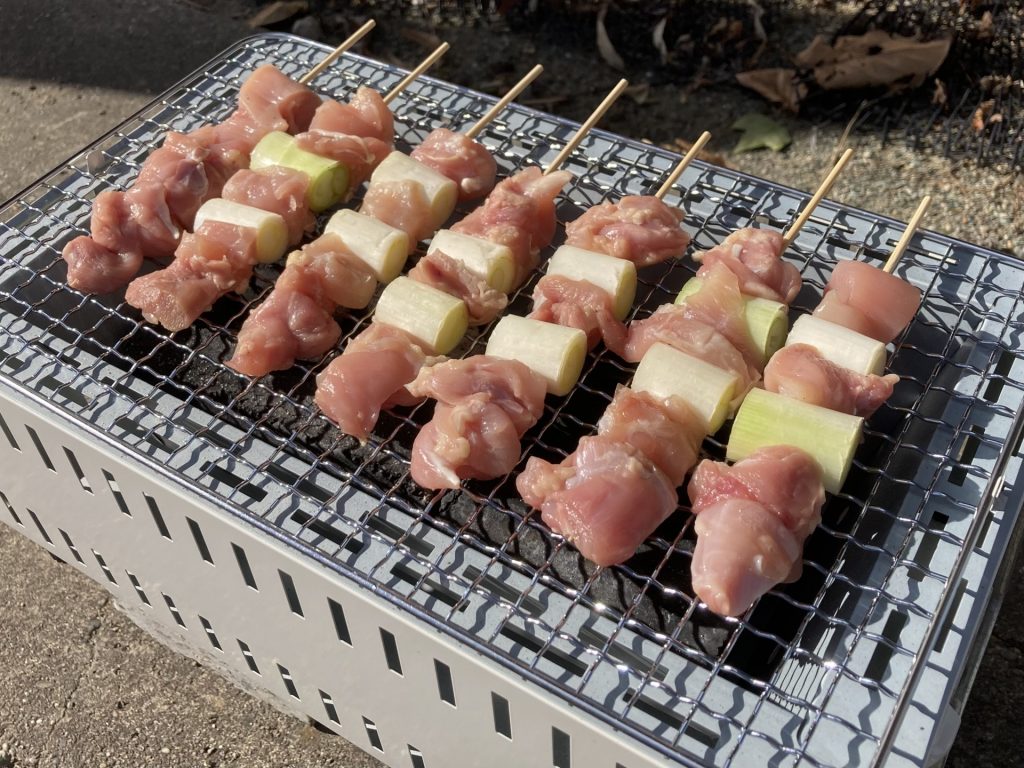
- Equipment: Use a grill (charcoal or gas is great) or even a frying pan if you don’t have one.
- Ingredients: Prepare chicken cuts of your choice. Most grocery stores sell yakitori-friendly parts like thighs, wings, and skin.
- Seasoning: Use pre-made tare sauce or sprinkle with good-quality salt.
- Grilling Process: Cook the skewers over medium heat, turning occasionally to prevent burning. If using tare, brush it on the skewers during the final few minutes.
For fun variations, try garlic butter, herb-infused salt, or even spicy sauces to add a modern twist to your yakitori.
Yakitori: Japan’s Soul Food
Yakitori is one of Japan’s most beloved comfort foods. Simple yet endlessly versatile, it’s a dish that can be enjoyed by anyone, anywhere. From mastering the nuances of different chicken parts to appreciating the craft behind the skewers and grilling methods, yakitori’s charm lies in its subtle details.
Next time you’re at an izakaya or hosting a barbecue, take a moment to explore the variety of flavors and techniques that make yakitori so special. Happy grilling!