Soba, a traditional Japanese food, is beloved for its rich flavors and health benefits. This simple yet versatile dish provides not only a delicious meal but also a way to experience Japanese culture. In this article, we’ll delve into the charm and history of soba, share fun facts, and offer beginner tips for enjoying it to the fullest!
The History of Soba: A Traditional Japanese Food
Soba has long been an integral part of Japanese life and culture. By exploring its history, you can uncover the ways in which soba is deeply connected to the lives of people and their traditions.
The Spread of Soba in Japan and Its Role in History
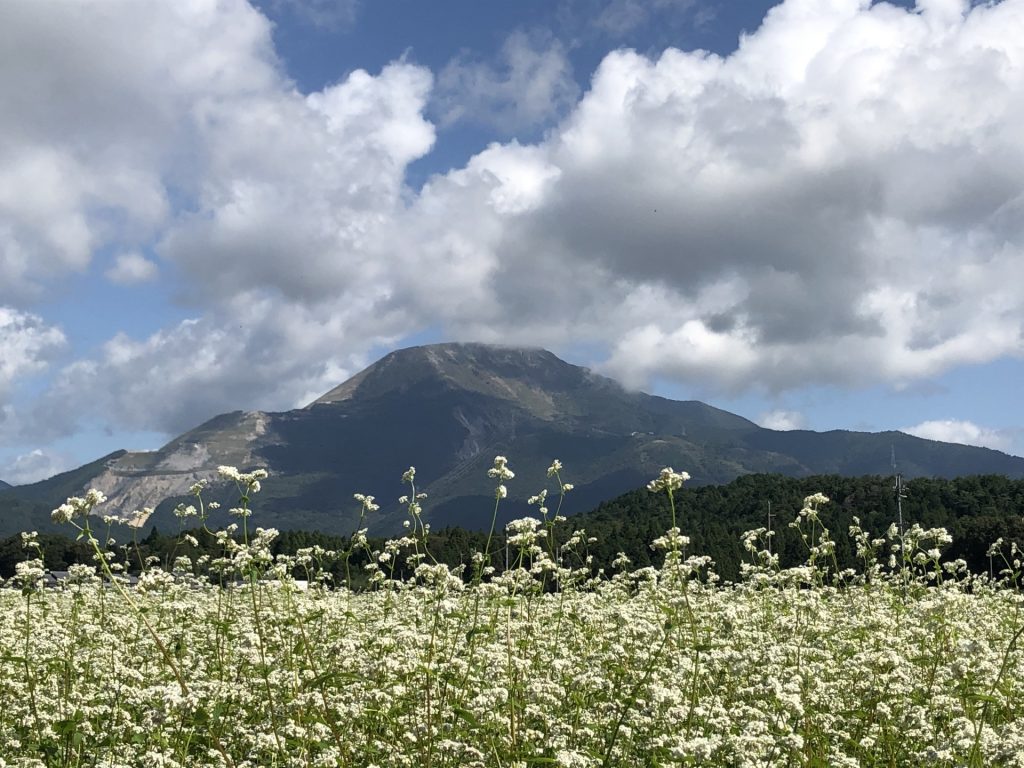
Soba is believed to have been cultivated in Japan as early as the Jomon period, with evidence pointing to its presence becoming more prominent during the Yayoi period. Archaeological finds, such as buckwheat pollen and seeds, provide clues to this ancient history. Soba was recognized as a fast-growing and relatively easy-to-cultivate crop, making it an essential food source in regions across Japan. It became a vital staple, supporting people when other crops, such as rice, were not viable.
Initially, soba was consumed in the form of “sobagaki,” a dish made by kneading buckwheat flour with hot water. However, during the Azuchi-Momoyama period, a new preparation method known as “soba-kiri,” or sliced soba noodles, was developed. This innovation laid the foundation for modern soba. Its ease of preparation and satisfying taste quickly made it a staple food enjoyed by people from all walks of life.
The Evolution of Soba During the Edo Period and Its Integration into Daily Life
Soba culture saw significant growth and refinement during the Edo period. One of the landmark developments was the introduction of “ni-hachi soba,” made with 80% buckwheat flour and 20% wheat flour. The name “ni-hachi” not only refers to this ratio but also to its price at the time (16 mon, derived from 2 x 8).
Throughout Edo, soba shops flourished, and soba became a popular fast food due to its affordability and convenience. Merchants and laborers appreciated soba as a quick and nourishing meal. Dishes like “kake soba” (hot soba in soup) and “mori soba” (cold soba served with dipping sauce) became common. Accompanying condiments, such as green onions, grated daikon, and sansho pepper, enhanced both the flavor and nutritional value of soba. During this period, soba solidified its place as a beloved food for the common people.

Soba Today: A Healthy and Internationally Appreciated Food
In modern times, soba has gained recognition as a healthy food both in Japan and abroad. One of its key nutrients is rutin, a type of polyphenol believed to help lower blood pressure and prevent arteriosclerosis. Additionally, buckwheat noodles made from 100% buckwheat flour, known as “juwari soba,” are gluten-free and increasingly popular among health-conscious populations overseas as “buckwheat noodles.”
In Japan, regional soba cultures continue to thrive. Seasonal events like the “Shin Soba Festivals” are held across the country, offering opportunities to enjoy fresh, locally grown soba. These events showcase the diversity and depth of soba culture while reaffirming its value as a traditional Japanese food.
Types of Soba and Their Unique Appeal
Soba comes in many different forms, each with distinct characteristics. Understanding these varieties can help you better appreciate the depth of soba culture.
Mori Soba and Zaru Soba
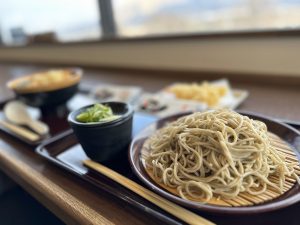
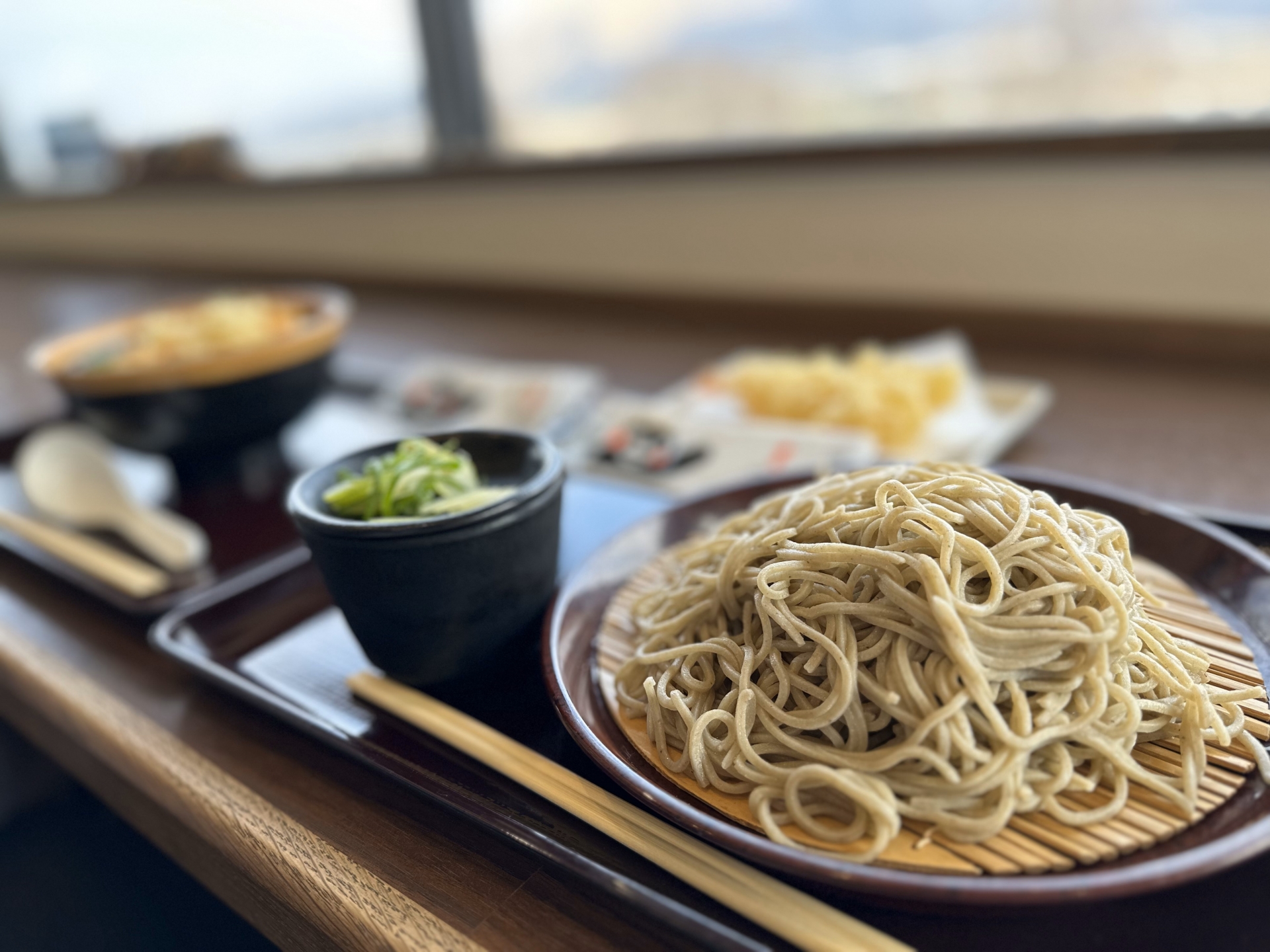
“Mori soba” is simply soba noodles served cold with dipping sauce, while “zaru soba” is topped with shredded nori seaweed. Known for their smooth texture and refreshing taste, these dishes are perfect for hot summer days. The simplicity of the preparation brings out the natural flavor of the soba, while the dipping sauce’s balance of sweetness and saltiness can vary from one shop to another, creating unique flavors.
Kake Soba
“Kake soba” consists of hot soba noodles served in a flavorful broth, making it an ideal choice for cold days. While it may seem simple, the quality of the broth defines the dish. Each restaurant often offers its own twist on the broth, creating a rich and heartwarming dish where the flavors of the soba and broth harmonize beautifully.
Tempura Soba
Tempura soba pairs crispy, deep-fried tempura with soba noodles. A common variation is served with a large tempura shrimp on top, especially in Tokyo. The tempura’s flavors mix with the warm broth to elevate the taste of the soba. Different types of tempura, including vegetables, add variety, providing both richness and balance to the dish.

Kamo Nanban Soba
“Kamo nanban soba” features tender slices of aromatic grilled duck paired with green onions in a warm, flavorful broth. The duck’s rich taste and fatty notes blend seamlessly with the soba, creating a luxurious experience. This dish is ideal for when you want to indulge in something a little more special, offering a perfect combination of flavors and textures.
Wanko Soba: A Fun and Unique Soba Experience
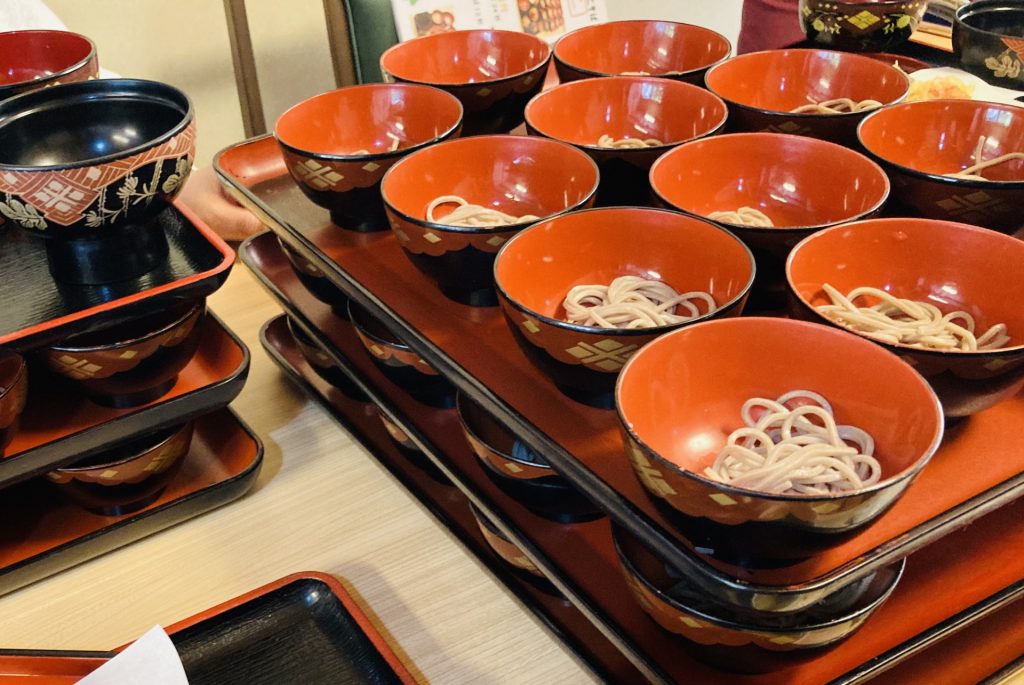
Among the diverse varieties of soba, “wanko soba” stands out as a fun and interactive food experience. Originating in Iwate Prefecture, wanko soba is served in small portions in tiny bowls, with staff eagerly refilling them while enthusiastically calling out, “Hai, don don!” (“Yes, keep going!”). The quick pace and excitement make it popular not only with locals but also with tourists.
Participants often challenge themselves to see how many bowls they can eat, turning the meal into a lively competition. Once a guest is full, they signal the end of the meal by placing a lid on their bowl. Wanko soba is more than just food—it’s an entertaining cultural tradition and a unique way to enjoy soba.
Tips for Enjoying Soba to the Fullest
Soba’s charm lies in its simplicity, placing great emphasis on the quality of its ingredients. To enjoy soba at its best, keep the following tips in mind:
How to Find a Good Soba Restaurant
- Ask the locals: Restaurants cherished by the community are often the most reliable choices.
- Check reviews online: Platforms like Tabelog or Google Reviews can help identify options with ratings of 3.5 and above.
Eating Soba the Right Way
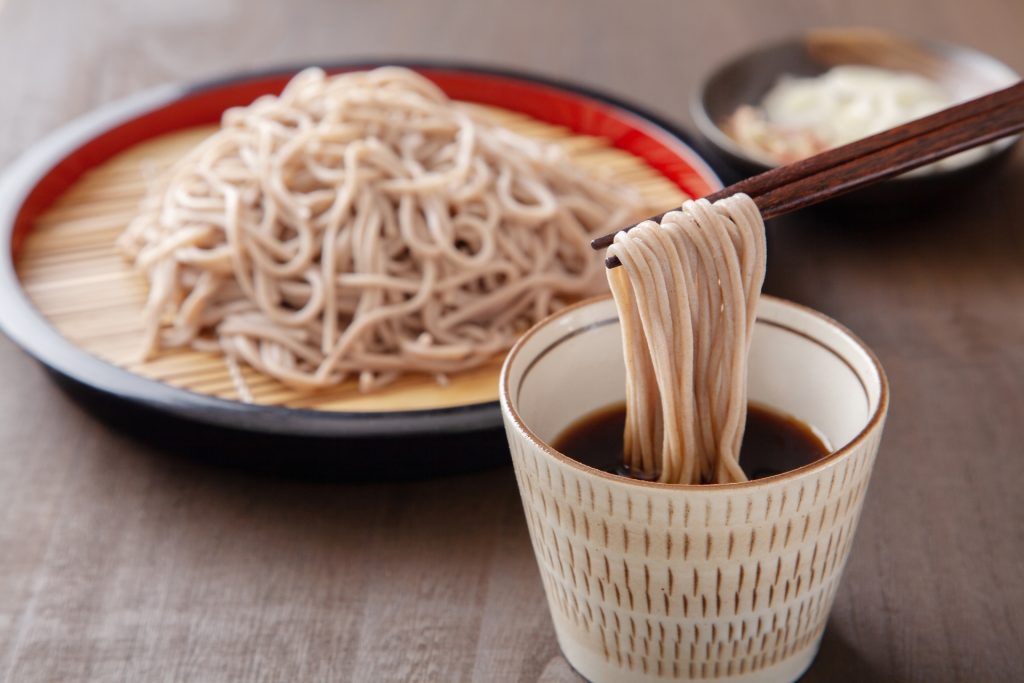
- It’s okay to slurp! In Japanese soba culture, slurping noodles enhances the flavor by allowing you to experience the aroma of the soba.
- Don’t miss soba-yu! After finishing your meal, pour soba-yu (leftover water from boiling soba) into your dipping sauce and enjoy it as a warm drink—nutritional and delicious!
Recommended Historic Soba Restaurants
If you’re looking to experience authentic soba, here are some renowned restaurants to consider:
Kanda Matsuya
With over 130 years of history, Kanda Matsuya offers traditional soba served in a wooden building that preserves the atmosphere of the Edo period. Their expertly crafted dipping sauces and perfectly cooked noodles draw crowds every day, especially during lunchtime.
Azumaya
Azumaya, located in Morioka, is a respected wanko soba restaurant with over 100 years of tradition. This establishment not only lets you enjoy the lively wanko soba experience but also offers high-quality soba with a unique flavor true to its roots.
Honke Owariya
Established over 550 years ago, Honke Owariya is one of Japan’s oldest soba restaurants. Known for its refined Kyoto-style soba, it’s a favorite for both locals and foreign visitors. Pair it with exquisite tempura or traditional Japanese desserts for a complete dining experience.
Experience the Tradition and Flavor of Soba
Soba is more than just a dish—it’s a way to connect with Japanese culture and history. Each variety has its own unique story, making it a new experience every time you eat it. On your next trip, take the opportunity to explore different types of soba and discover your favorite bowl!