
Sashimi—fresh, beautifully sliced fish—is an iconic part of Japanese cuisine, appreciated both in Japan and globally. But did you know there’s more to sashimi than just being “raw fish”? Dive into the history, techniques, and surprisingly fun facts about this beloved dish. After reading this, your next sashimi experience might come with a fresh dose of appreciation and knowledge that will take it to the next level!
What Makes Sashimi So Special?
Sashimi isn’t just about cutting raw fish and serving it—it’s a well-balanced, thought-out culinary art. From the quality of the fish to the cutting techniques, visual presentation, and even the choice of garnish, everything is carefully calculated to create the ultimate sashimi experience. So, why is it such an essential part of Japanese cuisine?
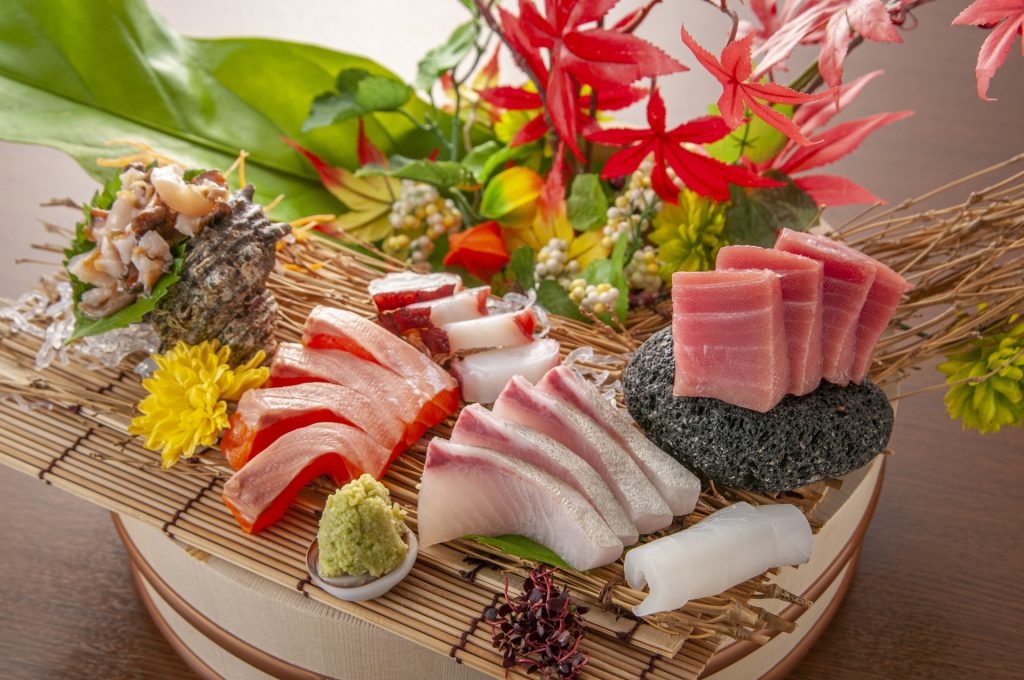
The Hidden History of Sashimi
Sashimi’s roots date back to the Heian period (794–1185), when a dish called “namasu” (thinly sliced fish or vegetables mixed with vinegar) was popular. As soy sauce became widely used later on, namasu evolved into what we now know as sashimi.
By the Edo period (1603–1868), sashimi had become a favored luxury food among the people. In those days, eating raw, fresh seafood was a special indulgence, as refrigeration didn’t exist yet. The mastery involved in creating a safe, delicious sashimi dish gave it the reputation of being a true work of art.
Exploring the Different Types of Sashimi
When you think of sashimi, do you immediately think of tuna or salmon? While they are popular choices, there’s a huge variety of options and unique ways to enjoy this dish.
Common Sashimi Options
- Octopus (Tako)
Octopus may not be as flashy as tuna or salmon, but its chewy texture makes for an unforgettable experience. Fun fact: octopus is often massaged with salt before being sliced as sashimi. This softens the texture while enhancing its natural flavor—pure genius! - Whale Sashimi (Kujira)
A rare delicacy nowadays, whale sashimi used to be a common dish in Japan’s past. Sliced whale meat has a texture and richness often compared to beef. - Sea Urchin (Uni): A Creamy Delight
Sea urchin sashimi is known for its rich, creamy taste and striking visual appeal, often referred to as “the jewel of the sea.” Try sprinkling it with a little salt instead of soy sauce to bring out its natural, briny sweetness—it’s an unmatched experience.
The Importance of “Seasonality” in Sashimi
Ever tried sashimi and felt like it tasted a little dull? That might be because it wasn’t in season! Yes, even sashimi has its prime seasons when fish taste their best. Here are a few examples of seasonal sashimi:
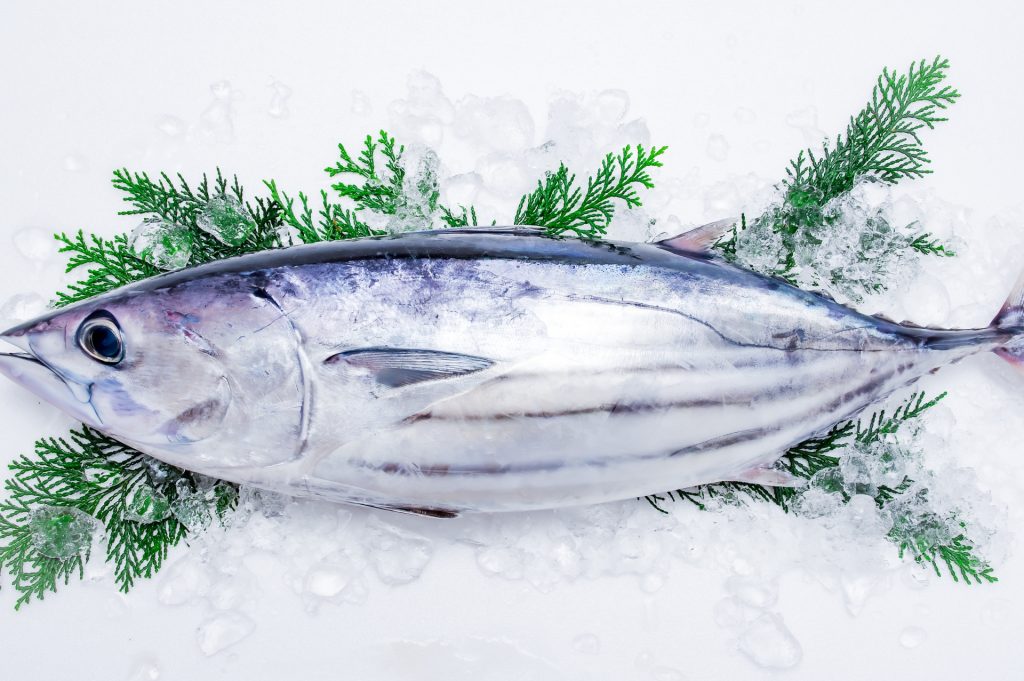
- Tuna (Maguro): Peak freshness in winter. The fatty, flavorful cuts like otoro are amazing during colder months.
- Bonito (Katsuo): Best enjoyed during spring or early summer. The “first bonito” of the year, known as “hatsugatsuo,” has a refreshing flavor profile.
- Pacific Saury (Sanma): An autumn treat, this fish has beautifully marbled fat that practically melts in your mouth.
Once you know when fish are in season, your sashimi experience can become even more satisfying.
Fun Facts About Sashimi
Here’s your chance to impress friends with some fun sashimi trivia at your next meal:
- What’s the deal with the garnish (“Tsuma”)?
The grated radish, shiso leaves, and other garnishes that come with sashimi aren’t just for decoration. They serve practical purposes, like killing bacteria and keeping the fish fresh. Plus, they add texture and flavor to balance the dish! - Sashimi isn’t limited to fish
Did you know that certain types of sashimi go beyond seafood? Examples include horse meat sashimi (basashi), yuba sashimi (tofu skin), and even sashimi made from wheat gluten in Kyoto. - Aging Sashimi for Better Flavor
Not all fish taste better when they’re ultra-fresh. Some types, like flounder or tuna, require a bit of “aging” to fully develop their umami flavors. Allowing sashimi to rest for a day or two enhances its taste in a way similar to dry-aged steak.
Pro Tips to Enjoy Sashimi Like a Local
Want to elevate your appreciation for sashimi? Here are a few simple tips:
- Hold back on soy sauce
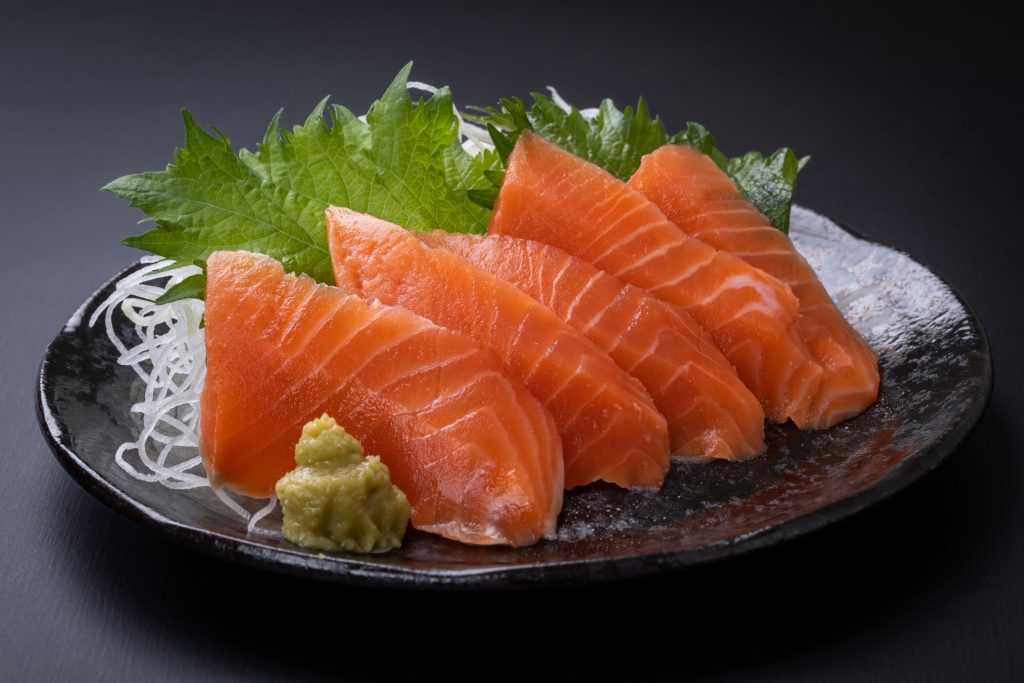
Good sashimi doesn’t need to swim in soy sauce. A delicate dip is enough to enhance its natural flavor. Overdoing it will mask the taste of the fish, which defeats the purpose! - Don’t mix wasabi with soy sauce
Ever noticed people stirring wasabi into their soy sauce? While you may see this commonly, the proper way is to place a small amount of wasabi directly on the fish. This method lets you experience the “kick” of wasabi with every bite! - Not all sashimi is about raw fish
For visitors new to sashimi, salmon is a great beginner-friendly choice. However, adventurous eaters may want to explore alternative sashimi dishes like raw horse or squid. Surprisingly, sashimi isn’t always about eating raw food—it’s about craftsmanship and balance.
Conclusion
Sashimi is more than just a meal—it’s a cultural treasure of Japan, rich in tradition, diversity, and artistry. Armed with your newfound knowledge and fun facts, your next sashimi experience will undoubtedly be more enjoyable and meaningful. And if you’re ever in Japan, iconic eateries such as Sushi Dai (located in Tokyo’s Toyosu Market) or the ever-reliable Sushi Zanmai chain are great places to experience top-quality sashimi.
So next time you see a plate of beautifully arranged sashimi, remember: it’s more than food—it’s a taste of Japanese culture.