Japanese food samples are one of Japan’s unique cultural creations that never fail to surprise and impress foreign visitors and tourists. These realistic-looking replicas, often spotted at the entrances of restaurants and cafes, have a history spanning over 100 years!
In this article, we’ll dive into the history of food samples, their incredible crafting techniques, and the reasons why they are so popular—especially as souvenirs.
By the end, you’re bound to say, “Wow, I had no idea!” Let’s explore the fascinating world of Japanese food samples.
What Are Japanese Food Samples?
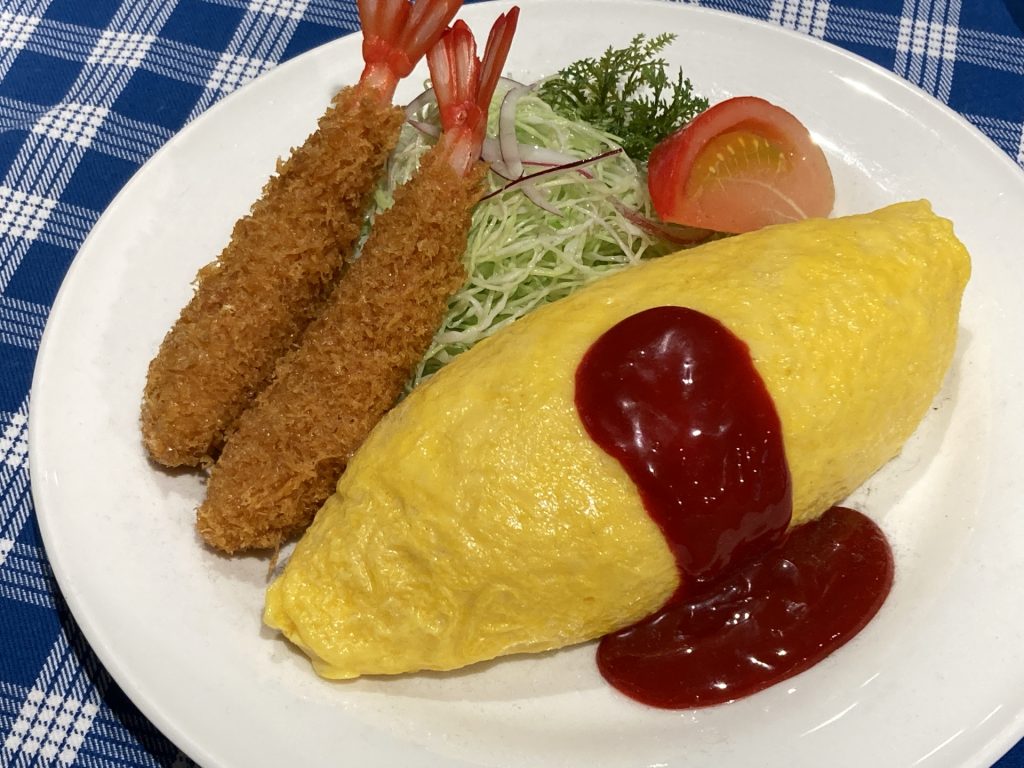
Food samples refer to replicas of real dishes that are crafted to look exactly like the genuine article.
In Japan, they are primarily used to visually showcase menu items in restaurants, and their astonishing realism has gained them worldwide recognition.
At first glance, it’s hard to believe they are mere models because of their incredible quality. Over the decades, they have evolved to become a part of Japan’s unique cultural heritage.
The origins of food samples can be traced back to the Taisho era (1912–1926). In the beginning, they were created using modeling techniques originally developed for medical or educational purposes.
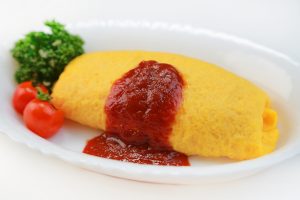
However, the foundations for modern food samples were laid by Takizo Iwasaki, an artisan based in the Kansai region. In 1932, he created the very first food sample: a model of an omelet rice (omuraisu), marking the start of the food sample industry.
The craft underwent rapid advancements, and today, the quality of food samples is so high that people often say, “The only thing missing is the smell!” It’s a true testament to the artistic expertise behind these creations.
The Charm and Role of Food Samples
Hyper-Realistic Replication
The biggest appeal of food samples lies in their hyper-realistic quality. For example, the creamy texture of Gorgonzola cheese or the dew-like drops on fresh vegetables are reproduced with stunning precision.
This level of detail is made possible by advanced silicone molds and expert hand-painting by artisans who leave no room for compromise.
When you closely examine a food sample, you can’t help but marvel at its intricate details. Some samples even display “cut-through” cross-sections of hamburgers or the bright yellow yolk of a broken egg.
These visually appealing displays communicate the essence of a dish at a glance and are an indispensable advertising tool for many restaurants.
Convenience for Restaurants and Diners
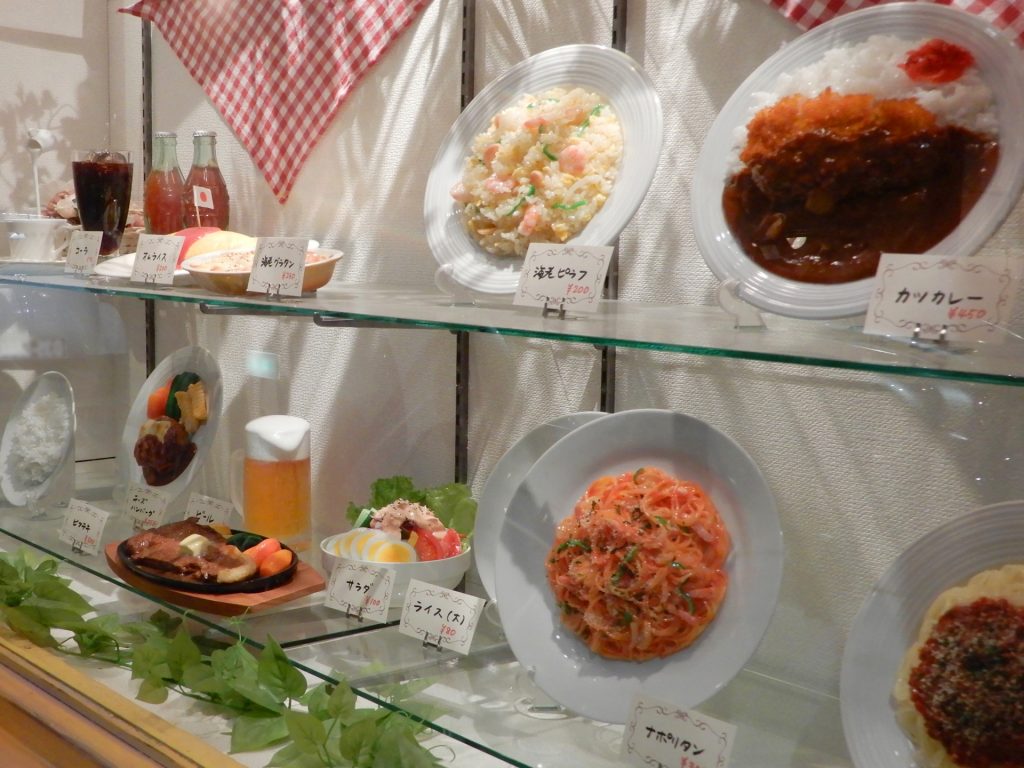
Food samples shine in new or unfamiliar dining experiences. They eliminate the uncertainty of not knowing what a dish will look like and help foreign visitors by giving them an accurate visual representation.
This cultural phenomenon isn’t just confined to Japan. Other Asian countries, such as China and South Korea, are beginning to adopt this tradition, praising it as an excellent example of Japanese craftsmanship.
How Are Food Samples Made?
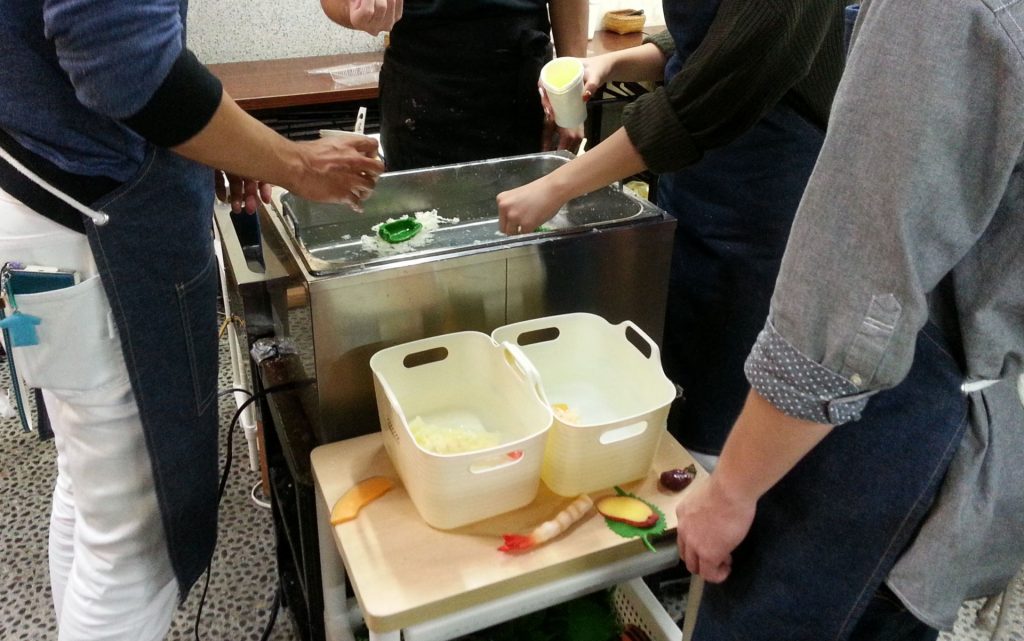
The process of creating food samples varies depending on the material and purpose, and it has evolved significantly over the years. Initially, food samples were made with wax. Artisans would carefully mold and color each model, but wax products were prone to melting at high temperatures and lacked durability.
As durability demands grew, the materials shifted to synthetic compounds like plastic and polyurethane resin. These modern techniques still involve molding dishes directly from real food. However, the use of lighter, more durable materials has enabled the creation of more precise and long-lasting replicas.
Artisans then painstakingly hand-paint the samples, ensuring each piece reflects the texture and color of the original dish.
For example, the glossy skin of a fresh tomato or the crispy golden batter of tempura is carefully replicated using advanced painting techniques.
Each type of dish has its unique challenges, from capturing the delicate texture of leafy greens in salads to recreating the rich, sticky glaze of teriyaki sauce. This combination of evolving materials and masterful handcrafting elevates food sample creation to the level of art.
Popular Food Sample Shops for Visitors
If you want to experience the charm of food samples up close, visiting specialized shops is a must. You’ll be able to see just how realistic these samples can be and, in some cases, even create your own! Here are some highly recommended spots for tourists.
“Ganso Shokuhin Sample-ya” (The Original Food Sample Shop)
Located near Asakusa in Tokyo’s Taito Ward, “Ganso Shokuhin Sample-ya” is one of Japan’s leading food sample stores. Inside the shop, you’ll find a wide variety of hyper-realistic food samples on display, as well as small-sized samples ideal for souvenirs.
The store also offers hands-on workshops where visitors can try making food samples themselves. Activities include crafting simple designs such as ice cream or lettuce.
It’s a fun way to spend time during your trip, and the sample you create makes for a unique keepsake to bring home.
“Sample Village Iwasaki”
Located in Gujo City, Gifu Prefecture—known as the birthplace of food sample culture—“Sample Village Iwasaki” is another must-visit destination. This facility offers factory tours that take visitors behind the scenes of food sample production. You can see artisans at work and witness their precise, mesmerizing techniques firsthand.
The interactive corner allows visitors to create food samples like tempura or parfaits, using the same tools and materials as the professionals.
It’s a fantastic way to appreciate the craftsmanship that goes into each sample while creating a special memory.
Where to Buy Food Samples as Souvenirs
Food samples are also a popular choice for souvenirs, known for their unique appeal and charm. Not only do they look fun, but many souvenir items are surprisingly functional.
Miniature Keychains and Magnets
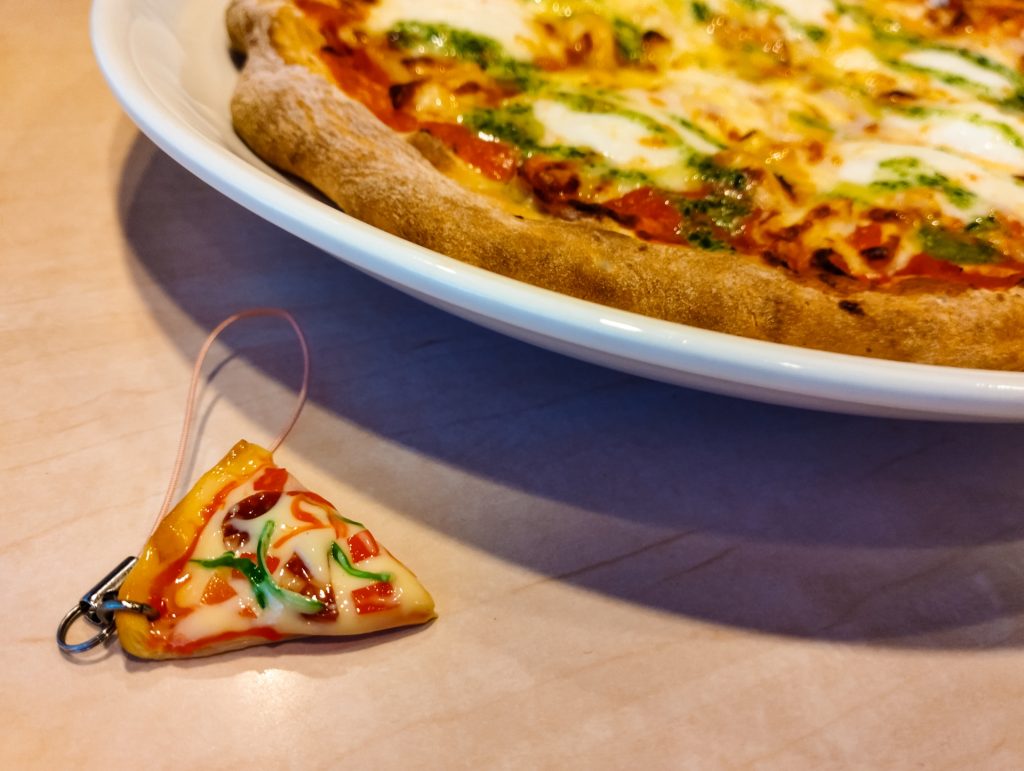
Miniature keychains and magnets featuring sushi, rice balls, ramen, and other foods are a classic souvenir option. Their realistic design and cute appearance make them a hit with visitors. These miniature replicas are perfect as bag accessories or fridge decorations, often becoming conversation starters.
You can find these items at shops like “Ganso Shokuhin Sample-ya,” gift stores in tourist areas, and even airport souvenir shops. They are lightweight and easy to carry, making them well-suited for travelers.
Practical Items to Look Out For
In recent years, food sample designs have found new life in practical items like smartphone stands and pen holders.
Examples include pen stands shaped like a slice of cake topped with a spoon, or ramen bowls converted into creative phone stands.
These products combine functionality with Japan’s signature playfulness and make great additions to your daily life.
Food Samples as a Trend
As Interior Decor
Food samples are no longer confined to restaurant displays—they are now making their way into homes as interior decorations. Elaborately crafted cakes or loaves of bread can add charm and warmth to a room.
Art pieces and display items based on food samples are growing in popularity among collectors and enthusiasts alike.
Growing Popularity Abroad
While food samples are often associated with Japan, their appeal is spreading internationally. Countries like the U.S. and China, with vibrant restaurant industries, are increasingly adopting Japanese techniques.
Some exhibitions even feature food samples as art, highlighting their value as artisanal crafts. This expansion into global markets has solidified food samples as more than just novelty items—they are recognized as traditional Japanese art forms.
The Future of Food Sample Culture
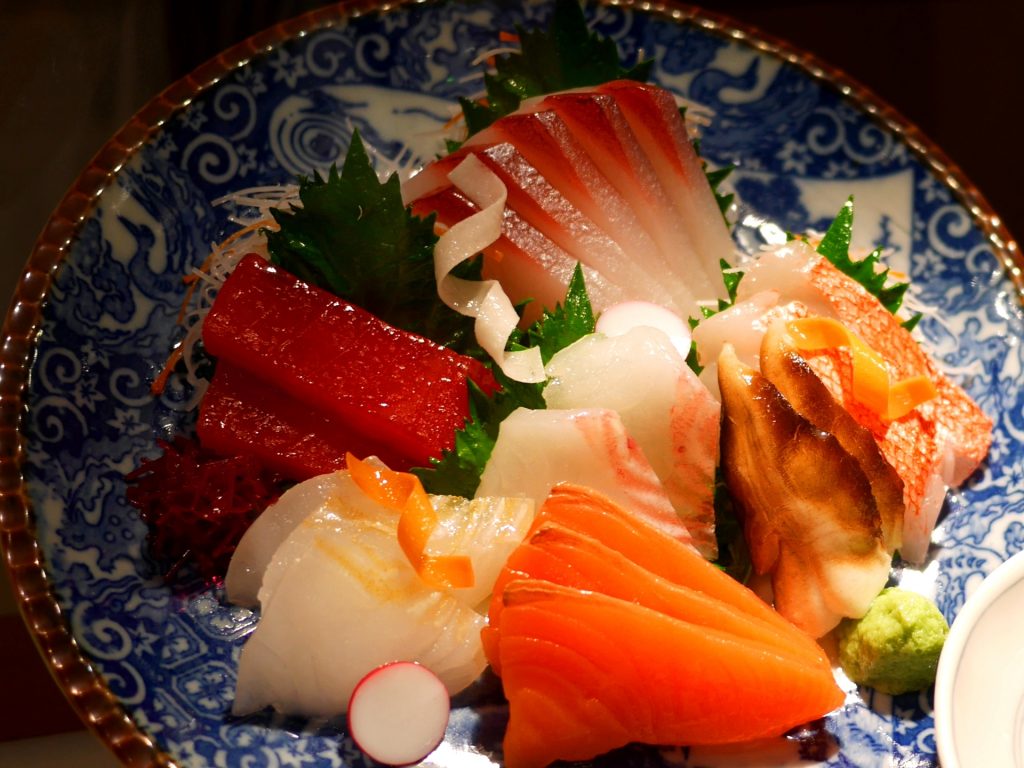
The legacy of food samples continues to evolve. With advancements in 3D printing and innovative resin materials, new techniques are developing to push the boundaries of realism further.
Beyond their traditional uses in restaurant advertising, food samples are also finding roles in fields like disaster education and children’s learning tools. For example, they can be used to simulate emergency food supplies in training scenarios.
This diverse application of food samples underscores their significance as a cultural and practical solution beyond Japan.
What Food Samples Teach Us About Japanese Craftsmanship
While often perceived as “just restaurant models,” food samples are backed by a rich history, the expertise of skilled artisans, and cultural significance that extends far beyond their original purpose.
As souvenirs, art, or even interior decor, they showcase the meticulous craftsmanship that defines Japanese culture.
Next time you encounter food samples, take a closer look at the incredible artistry and unique creativity behind them. You might just find yourself captivated by their charm and sophistication.