

Toyota is a brand synonymous with being a “world-leading Japanese automobile manufacturer.” Known for reliability, durability, and groundbreaking technology, there are countless fascinating aspects of Toyota’s innovation that might make you say, “Wow, I didn’t know they were doing that!” From Toyota’s history to its cutting-edge technology and bold initiatives for the future, this article explores the many facets that make this iconic company so remarkable.
Why Toyota Cars Are Loved Worldwide: The Secret of Reliability and Innovation

One of the main reasons Toyota vehicles are beloved across the globe is their renowned reliability and forward-thinking innovations. Let’s take a closer look at how Toyota earned its reputation as a trusted global brand.
Toyota’s Legendary Reliability
Toyota vehicles are closely associated with durability and low failure rates. This “reliability” stems from rigorous testing and high-quality manufacturing processes. The company’s commitment to reliability is supported by the following:
- Quality Components: Toyota maintains strict standards for its engine and parts, ensuring reliable supply through its dedicated supply chain.
- Preventive Care Philosophy: Instead of waiting for issues to arise, Toyota uses predictive analytics to prevent problems before they happen.
How Toyota’s Hybrid Technology Changed the World
Toyota’s innovations are best exemplified by its hybrid technology. The introduction of the Prius in 1997 marked the beginning of a new era, demonstrating how internal combustion engines could be paired with electric motors to improve fuel efficiency while lowering emissions.
Highlights of Toyota’s Hybrid Technology:
- Exceptional Fuel Efficiency: The hybrid system maximizes performance while minimizing fuel consumption using precise engine and motor management.
- Reduced Environmental Impact: CO2 emissions are substantially lower compared to traditional engine-driven vehicles.
- Global Adoption: With over 20 million units sold worldwide, Toyota’s hybrid cars have significantly contributed to reducing global emissions.
Toyota has incorporated its hybrid systems into a wide range of models, from compact cars to family-size minivans, offering something for every type of customer.
Why Customers Trust Toyota: Putting Users First
Another key to Toyota’s global success lies in its customer-centric approach. By carefully researching customer needs across different regions, Toyota has developed tailored cars and services for various markets.
Examples of Toyota’s Customer Care:
- Adaptation to Local Needs:
- Four-wheel-drive options for snowy regions.
- Compact vehicles designed for heavy urban traffic.
- Ease of Maintenance:
- User-friendly car designs make repairs and regular maintenance simple, ensuring global accessibility.
- Robust Global Network:
- Extensive dealerships and service centers worldwide provide reliable after-sales support.
This commitment to understanding and valuing individual customers further cements Toyota as a trusted brand.
The Untold History of Toyota: From Looms to Automobiles
Did You Know Toyota’s Name Came from “Toyoda”?
The name “Toyota” originates from the founder’s family name, Kiichiro Toyoda. The company decided to spell it in katakana (トヨタ) rather than in kanji (豊田) as it was easier to pronounce, simpler to write, and numerologically favorable, with “eight strokes” symbolizing good fortune in Japanese culture.

Why Toyota Entered the Automobile Industry
Toyota started as a textile machinery company founded by Sakichi Toyoda, who designed revolutionary automatic looms. Seeing new potential in automobiles, Sakichi’s son, Kiichiro Toyoda, established the automotive division in 1933, building Toyota’s legacy in car manufacturing.
At that time, critics considered this move risky. Yet, Kiichiro’s determination paved the way for Japan’s first domestically-produced vehicles, embodying the bold spirit that continues to define Toyota’s success.
Toyota’s Manufacturing: Powered by the “Kaizen” Philosophy

At the core of Toyota’s manufacturing success lies its “Kaizen” or continuous improvement culture. This philosophy enhances efficiency and quality and is supported by the notable practices of eliminating waste (3M) and maintaining a clean, organized workspace (5S).
Efficiency with 3M and 5S
- 3M (Muri, Muda, Mura): Muri (overburden), Muda (waste), and Mura (irregularities) are systematically eliminated, improving operations and maximizing productivity.
- 5S (Sort, Set in Order, Shine, Standardize, Sustain): These practices maintain a clutter-free and tidy production environment, enabling safer and more efficient workflows.
Clean workshops and streamlined systems uphold Toyota’s commitment to manufacturing excellence.
Empowering Workers through Bottom-Up Innovation
Toyota encourages on-site workers to share their improvement ideas, fostering a bottom-up culture that constantly refines the production process. Examples of these ideas include:
- Adjusting workbench heights to reduce physical strain.
- Simplifying component layouts, saving assembly time.
Even small suggestions at the floor level can bring transformative increases in safety, efficiency, and overall output.
Toyota’s Visionary Challenge: The Woven City

Toyota isn’t limited to manufacturing vehicles; it’s envisioning how people will live in sustainable, tech-driven societies through its futuristic Woven City project.
What Is the Woven City?
Located in Susono City, Shizuoka Prefecture, this “living laboratory” is being developed to integrate IoT, AI, and cutting-edge technologies into daily life. Its infrastructure is divided into different zones for pedestrians, autonomous vehicles, and logistics, creating a seamless and sustainable urban environment.
Highlights include:
- Hydrogen-Powered Energy: The city will utilize hydrogen fuel cells to reduce emissions and showcase its commitment to a zero-carbon future.
- Global First: As Japan’s first LEED Platinum-certified urban community, it exemplifies sustainable urban planning.
Innovating Daily Life
The Woven City offers a testing ground for:
- Mobility Solutions: Including e-Palette (autonomous vehicles), elderly support robots, and wheelchair-accessible technologies.
- Smart Homes with Robotics: AI-powered household robots for tasks like folding laundry.
- Flying Cars: Urban air mobility solutions are in development with Toyota’s partner Joby Aviation.
Engaging the Community
Residents, initially including Toyota employees and their families, scientists, and partners, will form a 2000-person urban community by 2025, participating in tech trials and offering valuable insights. Toyota also supports startups and innovators, creating a collaborative space for groundbreaking ideas.
Toyota’s Legacy: Redefining Mobility and Society
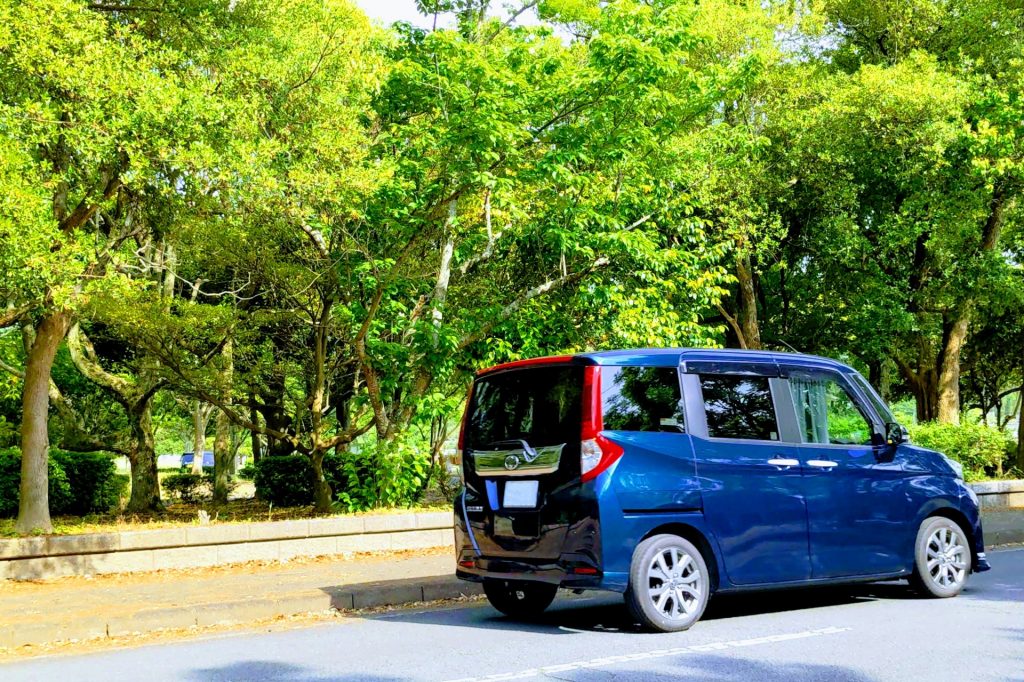
Toyota’s success isn’t just about producing reliable cars. From pioneering hybrid technology to empowering local communities and revolutionizing urban development with the Woven City, Toyota continuously broadens its influence. Its “Kaizen” philosophy, customer focus, and collaborative innovation represent a long-standing commitment to improving lives around the world—not just through vehicles, but through transformative ideas shaping the future of society