Nara is famous for its “Deer of Nara Park” and “the Great Buddha of Todaiji,” which nearly everyone associates with the city. However, Nara offers so many more attractions that cannot be fully expressed in just those two highlights. From historic streets and Japan’s oldest architectural treasures to cozy cafes worth stopping by, Nara provides experiences far beyond that of a typical tourist destination. Plus, you’ll find surprising historical facts that will make you say, “Wow!” This article delves deep into the diverse allure of Nara!
Top 3 Must-Visit Places in Nara
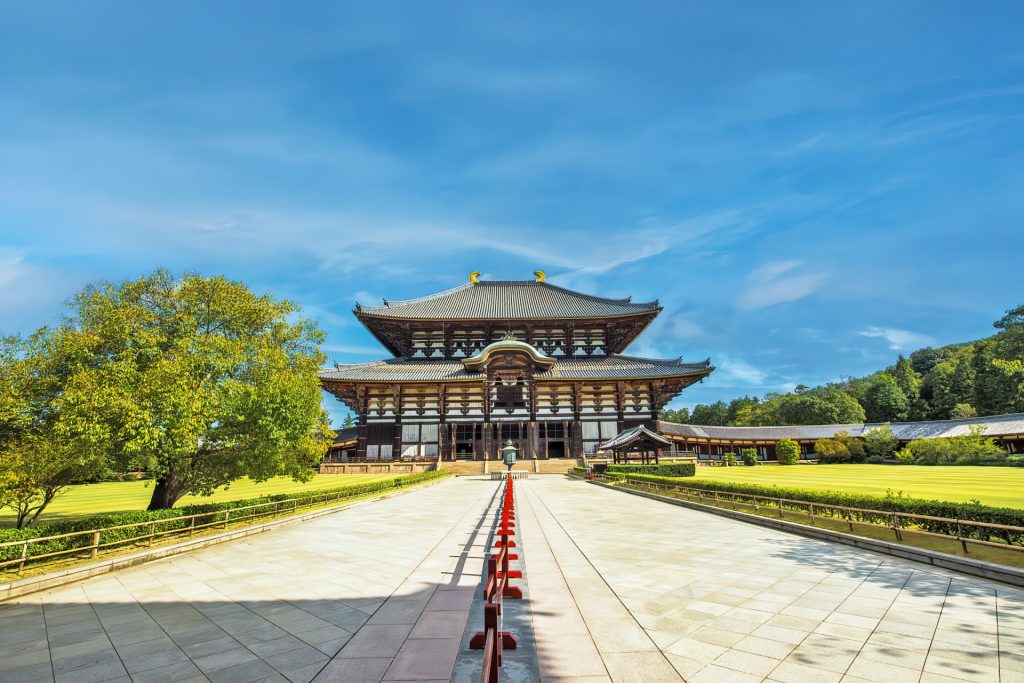
Nara is home to many well-known tourist attractions. Here, we spotlight three must-visit sites that best showcase the “history” and “culture” of this historic city.
Todaiji: The “Home of the Great Buddha,” Registered as a UNESCO World Heritage Site
Todaiji Temple is synonymous with Nara and is home to one of Japan’s most renowned giant Buddha statues. Constructed in 752, it is a UNESCO World Heritage Site. The massive Buddha statue stands over 15 meters tall, and its overwhelming scale leaves visitors awestruck. There’s also a famous feature in the “Great Buddha Hall,” where one of the wooden pillars has a hole known as the “pillar crawl.” The size of the hole is said to be the same as the Great Buddha’s nostril, and crawling through it is believed to bring good fortune.
Fun Fact: Did you know that Todaiji’s Great Buddha was once toppled over? The current statue is the result of extensive restoration, making it a “modern miracle” in some ways.

Nara Park: A Paradise of Free-Roaming Deer

If you’ve read any travel guide about Nara, chances are you’ve heard of Nara Park. This expansive park is home to approximately 1,300 wild deer. Visitors can purchase “deer crackers” (Shika Senbei) and feed them to the friendly deer, many of whom will bow slightly to request food. However, here’s a tip: during the fall mating season, the deer can become more aggressive, so keep a safe distance when interacting with them.
Fun Fact: The deer in Nara are considered “messengers of the gods” and have been protected for centuries. It’s remarkable that this tradition continues to this day!
Horyuji: The World’s Oldest Wooden Building
Located in Nara, Horyuji Temple is recognized as Japan’s first-ever temple and is home to the world’s oldest wooden building, the iconic five-story pagoda. Records show its construction dates back to 607, and it’s been carefully preserved over centuries to maintain its original form. Walking around Horyuji is like stepping back in time to Japan’s ancient past.
Fun Fact: Horyuji has a unique octagonal building called the “Yumedono” (Hall of Dreams). It is Japan’s only Buddhist eight-sided structure and a must-see site for history lovers.
3 Must-Try Nara Delicacies
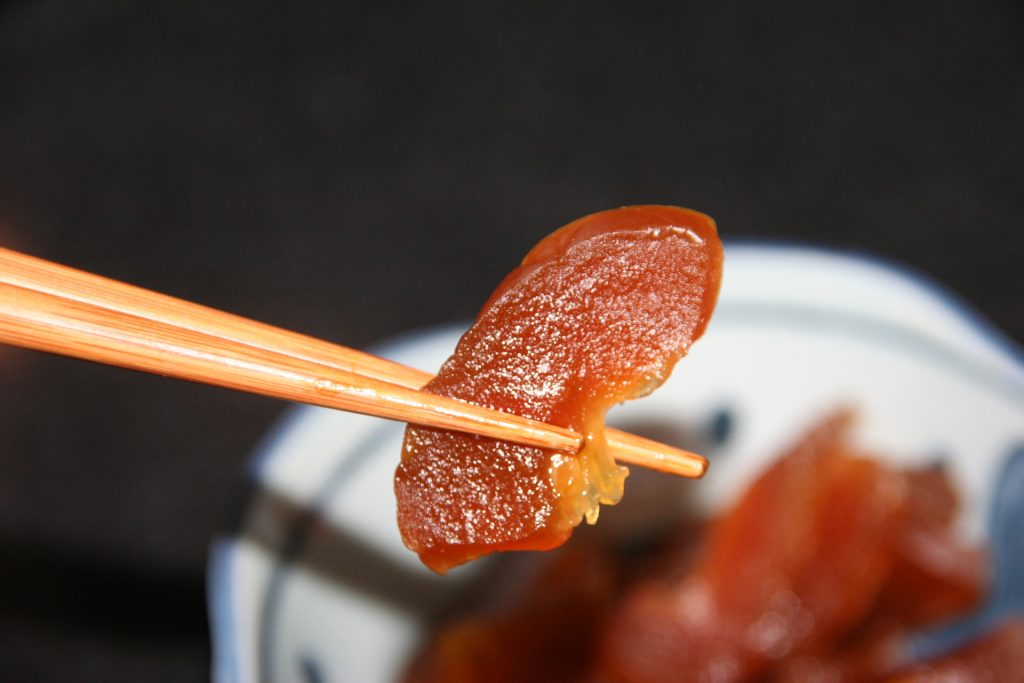
Nara’s charm goes far beyond its historical landmarks. The region boasts a variety of unique dishes that reflect its deep cultural roots. Here are three local specialties you simply can’t miss!
Kakinoha Sushi: A Traditional Preserved Food
One of Nara’s most iconic dishes is “Kakinoha Sushi.” This specialty consists of rice topped with slices of mackerel or salmon, wrapped in persimmon leaves. The persimmon leaf not only imparts a subtle aroma but also provides natural antibacterial properties, making it a cherished preserved food in the area. Its light flavor and bite-sized convenience make it perfect for enjoying during a busy day of sightseeing or as a souvenir to take back home.
Nara-Zuke: An Adult Flavor Filled with Richness
“Nara-Zuke” is a traditional pickled vegetable dish soaked in sake lees (sake kasu) for an extended period. These pickles have a distinct depth of flavor, thanks to the fermented sake lees, creating a rich, mature taste that appeals to those who appreciate subtler flavors. Commonly pickled vegetables include gourds, cucumbers, and radishes. Nara-Zuke pairs excellently with plain rice or as a topping for ochazuke (green tea over rice).
Yamato Chicken Cuisine: Nara’s Premium Free-Range Chicken
Known nationwide, “Yamato Chicken” is Nara’s premium free-range chicken brand. This chicken boasts juicy, tender meat and sweet, flavorful fat. Its quality stems from the meticulous care given to the chickens, from their diet to their living conditions. Signature dishes include char-grilled chicken and hearty oyakodon (chicken-and-egg rice bowl). The rich taste and firm texture of Yamato Chicken create an unforgettable dining experience.
Nara cuisine offers a delicious way to experience the region’s history and culture. Don’t miss your chance to savor these unique delicacies while exploring this fascinating city!
Top 3 Famous Restaurants to Visit in Nara
To truly experience Nara, dining at popular local restaurants is a must! Here are three highly recommended establishments where you can enjoy authentic Nara flavors.
Tanaka (Kakinoha Sushi)
An iconic spot for Kakinoha Sushi, “Tanaka” boasts over 70 years of history. Their sushi features fresh mackerel and salmon wrapped in fragrant persimmon leaves, offering a perfectly balanced flavor that’s beloved by locals and tourists alike. If you’re looking for a bite-sized meal or a convenient souvenir, Tanaka’s sushi is an excellent choice.
Imanishi Honten (Nara-zuke)
For a taste of the traditional, “Imanishi Honten” is the go-to place for Nara-zuke. With a legacy stretching back over 400 years, this old establishment takes pride in crafting deeply flavorful pickles using sake lees. Sample their pickles in-store to find your favorite variety, or pick up a gift set to share the flavors of Nara with friends and family.
Yatagarasu (Yamato Chicken)
Step into “Yatagarasu,” where Yamato Chicken takes center stage. This charming restaurant blends modern and traditional aesthetics, offering guests the best of Nara’s gourmet scene. From char-grilled chicken to rich broths and seasonal specialties, every dish highlights the premium flavor and tenderness of Yamato Chicken. Book ahead to ensure your spot in this popular dining destination!
Hidden Gems in Nara
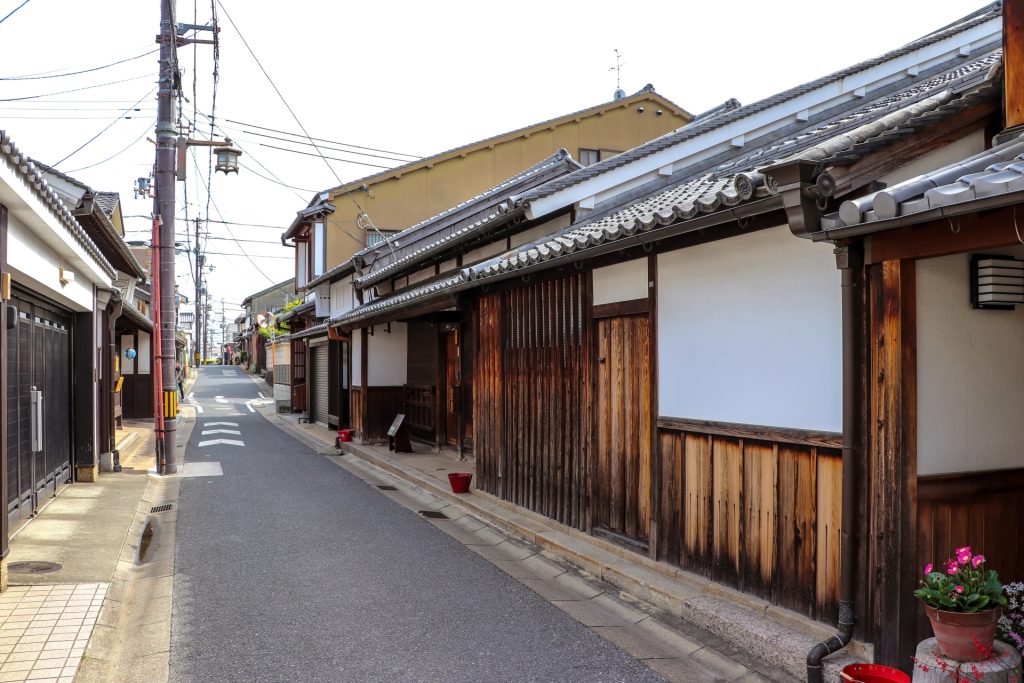
Beyond its famous attractions, Nara offers unique and lesser-known experiences for curious explorers.
Naramachi: A Historical and Modern Fusion
Located in central Nara, Naramachi is a delightful area where Edo-period townhouses (machiya) stand alongside trendy cafes and boutiques. Take your time strolling through this picturesque district and enjoy a break at local favorites like “Kanakana Café,” housed in a renovated 100-year-old machiya, to experience both history and modern charm.
Ishibutai Kofun: A Mystery of Ancient Japan
The “Ishibutai Kofun,” located in Asuka Village, is a grand stone tomb built in the 6th to 7th century. The burial chamber, constructed with massive stones weighing up to 2,300 tons, is thought to be the resting place of the influential political figure Soga no Umako. While the tomb shrouds itself in mystery, nearby rice fields and scenic landscapes add to its serene atmosphere.
Tips for Traveling in Nara
To make your trip to Nara even more enjoyable, here are some practical tips to keep in mind:
Best Times to Visit
The ideal seasons for visiting Nara are spring (March to May) and autumn (September to November). During these periods, attractions like Nara Park showcase vibrant cherry blossoms or brilliant autumn leaves, making them picture-perfect. Summers can be hot, so stay hydrated, while winters are peaceful with fewer tourists.

Getting Around
For exploring central Nara, buses or walking are the most convenient options. Many key attractions are within walking distance from Kintetsu Nara Station. If you plan to venture further out to areas like Asuka Village, renting a bicycle or using taxis is highly recommended.
Conclusion

Nara is more than just deer and temples—it’s a city full of history, delicious food, and hidden treasures waiting to be discovered. From iconic spots like Todaiji and Horyuji to mouthwatering local delicacies and delightful hidden gems, a trip to Nara promises to create memories that last a lifetime. Make the most of your visit and experience everything Nara has to offer!