When people think of Japanese sweets (wagashi), the one ingredient that always takes center stage is anko (sweet bean paste). But how much do we actually know about anko? Questions like “How is it made?” or “Are there only red types of anko?” are surprisingly common. Interestingly, while anko is gaining attention overseas, it’s also a flavor that not everyone immediately falls in love with. In this article, we’ll dive into the history, varieties, fun facts, and delicious ways to enjoy anko!
The Basics of Anko: Its History and Varieties
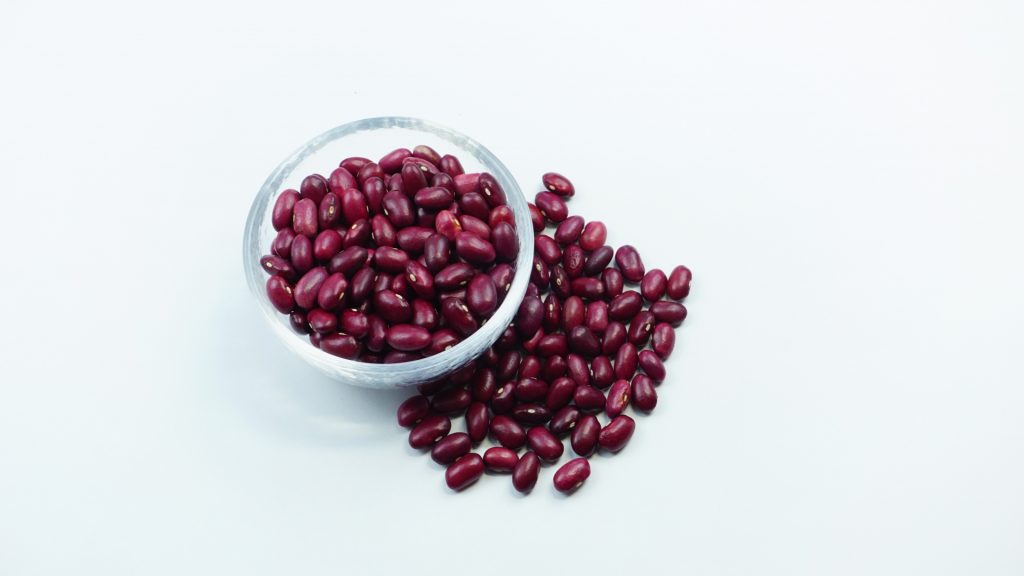
The Origins of Anko
Anko’s history dates back to ancient China. Its journey to Japan began in the 6th century with the introduction of Buddhism, along with the technique of making an (bean paste). However, the original anko was very different from what we know today. Instead of sweet, it was salty—a recipe known as shio-an, made by simmering red beans with salt.
It wasn’t until the Edo period (1603–1868) that anko gained its sweetness, thanks to the introduction and gradual distribution of sugar through ports like Nagasaki. At the time, sugar was a luxury item reserved for the elite, which meant that sweet bean paste desserts were only enjoyed by the wealthiest in Japan’s upper classes.
Fun fact: Before anko became sweet, red beans (azuki) were used in rituals and offerings in ancient Japan because of their deep red color, which symbolized protection and warding off evil.
The Many Varieties of Anko
One might think “sweet bean paste is just sweet bean paste,” but there are actually several types of anko with their own unique characteristics. Let’s take a look:
- Koshi-an (Smooth Anko):
Made by removing the skins of red beans and straining the paste into an ultra-smooth texture. It’s a staple for elegant sweets like yokan (sweet jelly) and manju (steamed cakes). - Tsubu-an (Chunky Anko):
Made by leaving the bean skins intact and retaining the beans’ natural texture. It’s the go-to choice for anpan (sweet red bean buns) and ohagi (traditional rice cakes). - Shiro-an (White Anko):
Made from white beans, such as navy beans or butter beans. Its subtle flavor and light color often pair beautifully with food coloring for decorative, seasonal sweets. - Uguisu-an (Green Pea Paste):
Made from green peas, this type of anko is popular in spring for its vibrant green color and mild sweetness. - Zunda-an (Edamame Paste):
A specialty from northern Japan, this variation is made from mashed green soybeans and has a fresh, earthy flavor.
When you look at all these varieties, it’s clear that anko goes far beyond just the standard “red bean paste.” Trying them all is part of the fun!
The Global Perspective: Why Some People Love or Avoid Anko

A Taste That’s Loved—or Disliked?
While anko is a beloved ingredient in Japan, it often divides opinion among people overseas. For newcomers, the idea of beans in desserts can feel unusual—especially since in Western cultures, beans are typically associated with savory dishes. Some even say, “Why is there sugar in my beans?”
That said, many people grow to enjoy anko after a few tries. Once they become familiar with its earthy sweetness and unique texture, it often becomes a flavor they love. As they say, taste is an acquired skill, and anko works its charm over time!
Modern Takes on Anko That Win People Over
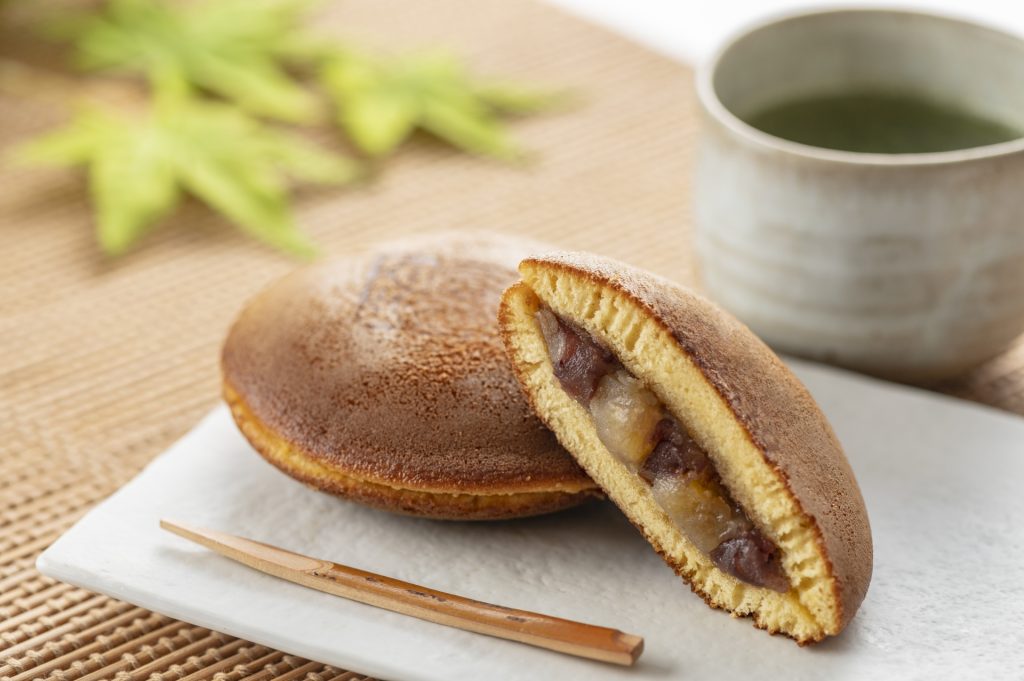
To appeal to an international audience, chefs and bakers worldwide are coming up with creative anko-based desserts that everyone can enjoy. Here are some examples:
- Matcha Ice Cream with Anko:
The robust, bitter flavor of matcha pairs beautifully with the gentle sweetness of tsubu-an. - Anko Butter Danish:
A French-Japanese fusion where buttery croissants are filled with red bean paste for a delightful East-meets-West pastry. - Anko-Cream Cheese Dorayaki:
A modern twist on the traditional dorayaki pancake, combining sweet anko and tangy cream cheese for a luxurious filling.
These inventive creations are helping introduce anko to people around the world while showcasing its versatility.

Where to Find the Best Anko-Based Sweets
If you’re ready to enjoy high-quality anko, check out these famous shops:
- Kogetsu
Look for their beautifully designed sweets featuring shiro-an and colorful, seasonal designs. - Toraya
This centuries-old shop crafts some of Japan’s finest smooth anko sweets, including premium yokan. - Akafuku
Known for its fresh, soft rice cake and smooth red bean paste, Akafuku is a must-try for anyone visiting Ise.
Hidden Benefits of Anko: Why It’s Healthier Than You Think
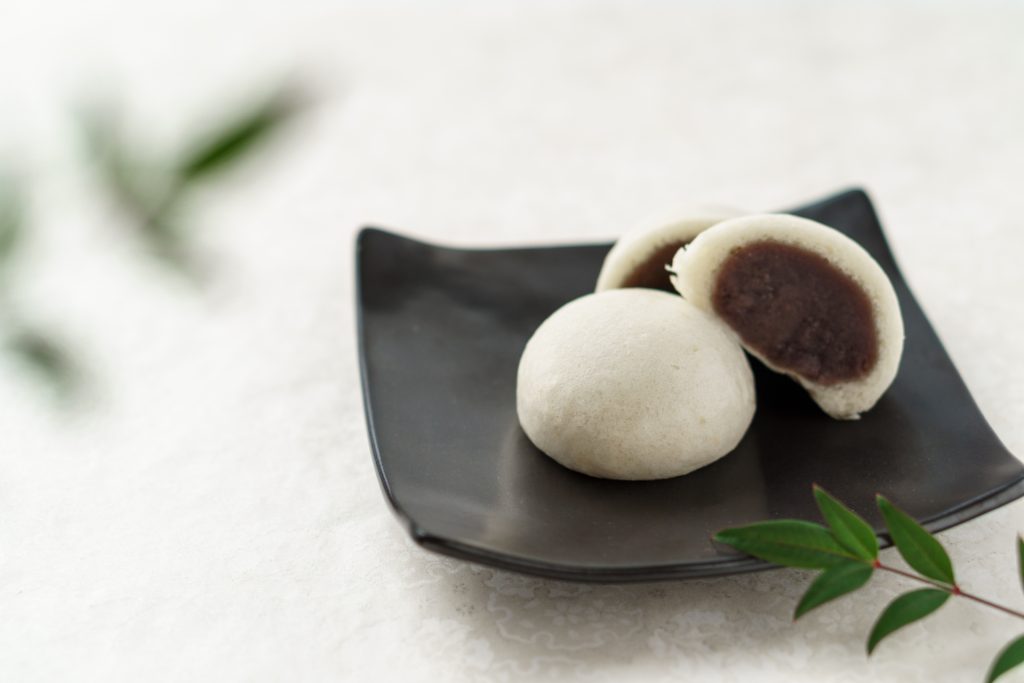
While typically categorized as a sweet indulgence, anko itself comes with health benefits (mostly thanks to the beans it’s made from). Here’s why it deserves a second look:
- Rich in Fiber:
Since azuki beans are high in dietary fiber, eating anko in moderation can help improve digestion. - Packed with Antioxidants:
Red beans contain polyphenols, which fight inflammation and help protect cells from aging. - Iron and Minerals:
Anko is a great source of plant-based iron, making it an ideal ingredient for anyone looking to maintain healthy iron levels—especially women.
However, sugar does play a role in its preparation, so consuming too much could outweigh these benefits. Luckily, homemade anko is easy to make, and you can control the sweetness for a healthier option.
Anko: From Tradition to Global Sensation
From traditional Japanese confections like red bean buns to trendy modern creations like anko croissants, sweet bean paste is continuously evolving while staying true to its roots. Whether you’re a newcomer or a lifelong fan, one thing is clear—anko’s charm and versatility know no bounds. Why not start an anko adventure of your own?