Sukiyaki is one of Japan’s most iconic hotpot dishes, often regarded as a symbol of Japanese culinary culture. Thinly sliced beef and fresh vegetables simmered in a sweet and savory broth, then dipped into beaten egg, create a luxurious dining experience that has captivated not only the Japanese but also many visitors from abroad. Yet, behind this beloved dish lies a fascinating history and cultural background that might surprise you.
In this article, we’ll explore the history of sukiyaki, its regional differences, tips for enjoying it even more, and a selection of must-visit sukiyaki restaurants. By the end, you’ll love sukiyaki even more! Let’s dig in.
The History of Sukiyaki: Did It Start in the Meiji Period?
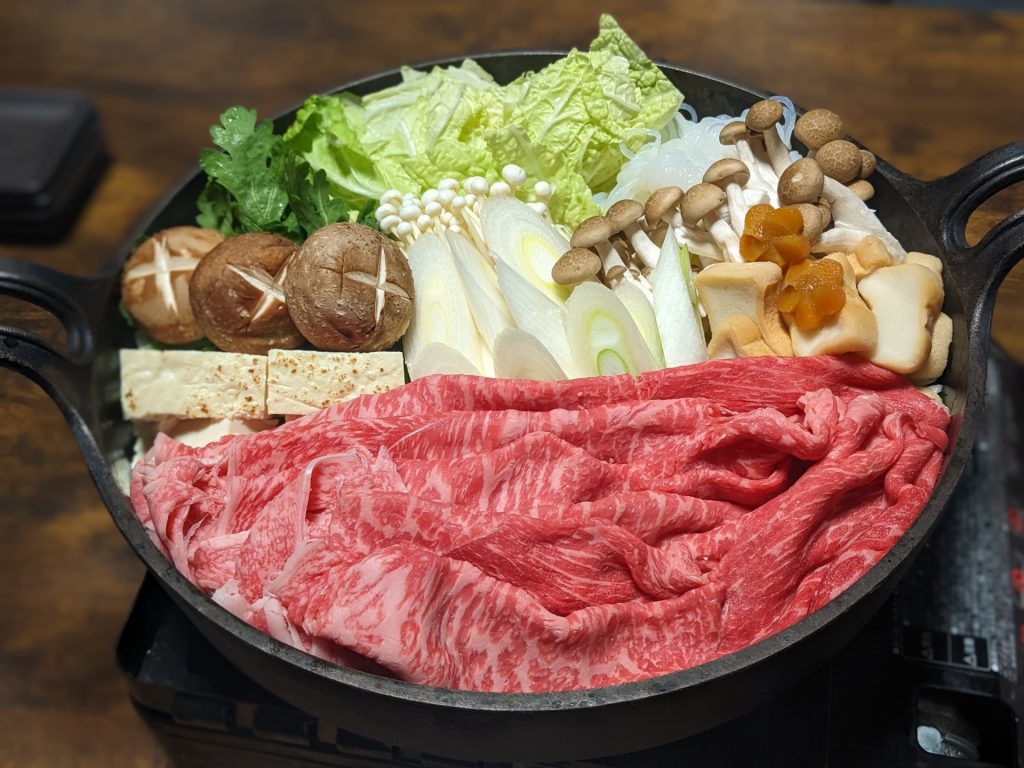
Sukiyaki has a long history that is deeply intertwined with Japan’s evolving food culture. Surprisingly, even this quintessential Japanese dish has an unexpected backstory.
A Time When Eating Meat Was Taboo
For centuries, eating beef or pork was not part of Japanese culture. Cattle were considered invaluable partners in agriculture rather than food sources, and religious beliefs, particularly Buddhism, discouraged the consumption of animal meat. From the Nara Period (710–794) to the late Edo Period (1603–1868), many people refrained from eating meat.
The Rise of Beef Hotpot in the Meiji Era
This began to change during the Meiji Restoration (1868–1912), when Japan began rapidly adopting Western customs. The government started encouraging people to eat meat, claiming it was beneficial for health and a sign of modernization. This is when gyunabe, or beef hotpot, first appeared.
Gyunabe is considered the forerunner of sukiyaki. It initially featured a miso-based broth, but over time, the dish evolved into what we know today, incorporating soy sauce and sugar for its distinctive sweet and savory flavor.
The Unique Name “Sukiyaki”

The name “sukiyaki” remains a subject of debate. One theory suggests it stems from the “suki” (plow), a farming tool that was heated to grill meat and vegetables by farmers in remote areas. Another theory proposes that it derives from the Japanese word “suki” (to like), implying that you could cook and enjoy the ingredients in any way you desired. Either way, the name carries hints of Japan’s rural life and traditions.
Regional Variations: How Kanto and Kansai Do Sukiyaki Differently
Although sukiyaki is loved across Japan, there are two distinct regional styles: Kanto-style (Eastern Japan) and Kansai-style (Western Japan). Even beginners can enjoy these differences, so let’s break them down.
Kanto-Style Sukiyaki
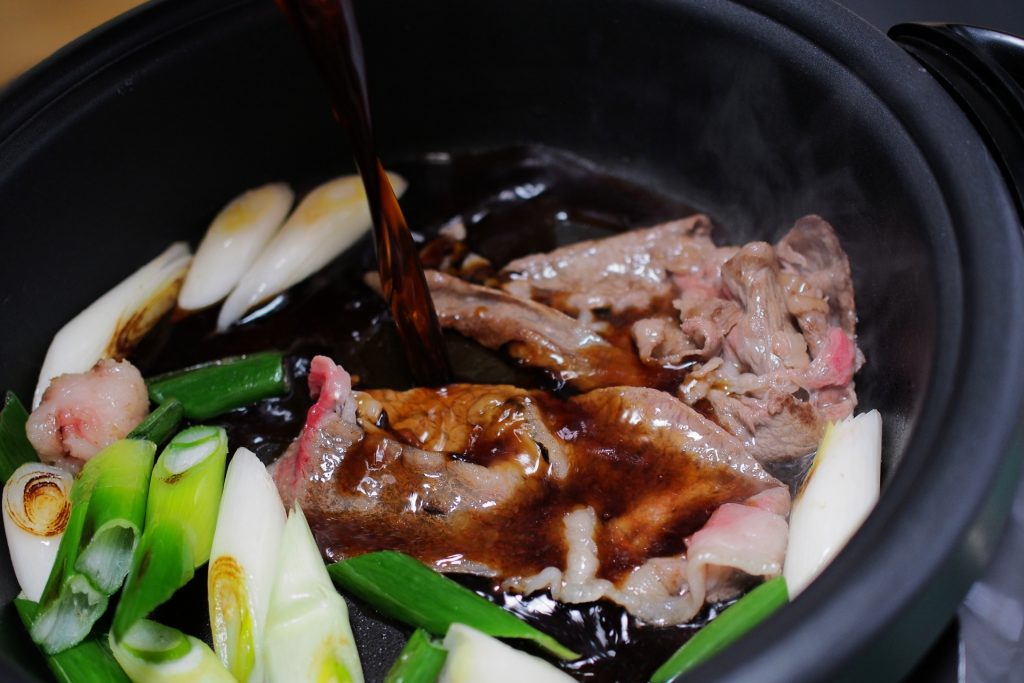
In Kanto (which includes Tokyo and its surrounding areas), warishita, a premade sweet-savory mixture of soy sauce, sugar, mirin, and water, is the star. This mixture is poured into the pot, and all ingredients are simmered together.
- Key Features: Foolproof and easy to cook, as everything is evenly seasoned.
- Flavor Profile: Rich and sweet with a strong umami kick.
- Regions It’s Popular In: Tokyo, Tohoku, and other eastern areas of Japan.
Kansai-Style Sukiyaki
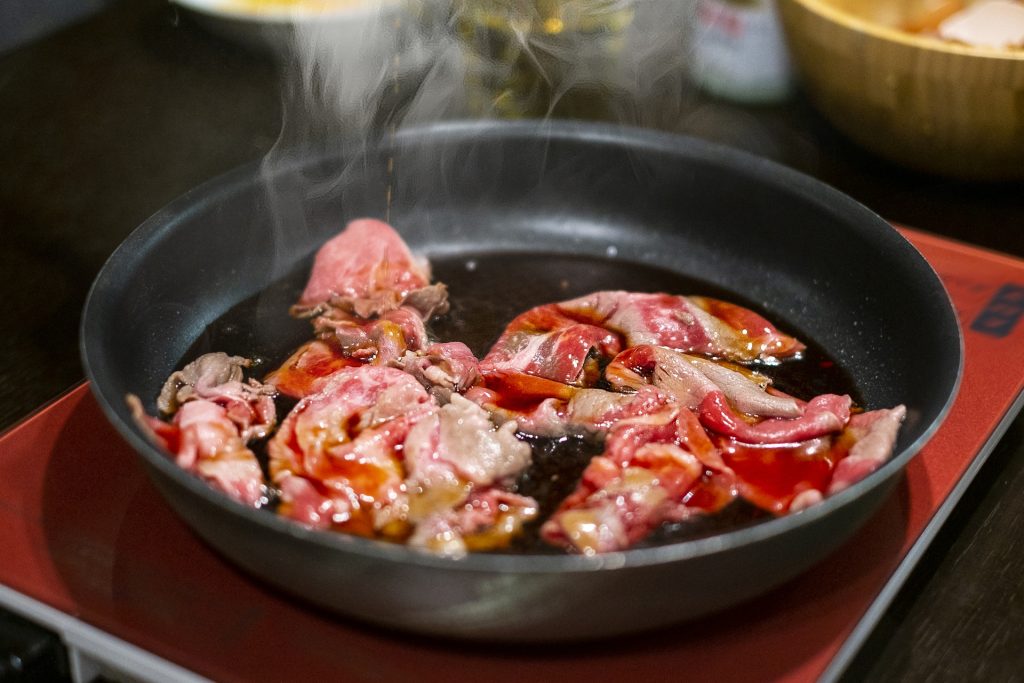
In Kansai (where Osaka and Kyoto are located), the approach is quite different. Sukiyaki starts with melting beef fat in a pan. The meat is lightly grilled before being seasoned directly with sugar and soy sauce. Vegetables and other ingredients are added afterward, using the beef’s juices to meld the flavors together.
- Key Features: Highlights the natural flavors of the beef.
- Flavor Profile: Subtler sweetness, allowing the beef’s richness to shine.
- Regions It’s Popular In: Osaka, Kyoto, and other regions of Western Japan.
It’s fascinating to see how the same dish can be so different in approach and flavor depending on the region. This culinary diversity is part of what makes Japanese food culture so intriguing!
Fun Trivia About Sukiyaki You Might Not Know
Sukiyaki is not just about taste—it comes with its fair share of interesting stories and trivia. Here are three pieces of trivia that will make you appreciate sukiyaki even more:
- Why It’s Known as “Sukiyaki” Internationally
English-speaking countries refer to sukiyaki as “Sukiyaki,” but this global popularity owes much to a 1963 hit song! Kyu Sakamoto’s “Ue o Muite Arukou” became an international hit under the name “Sukiyaki.” While the song has no connection to the dish, it spread the term “sukiyaki” globally. - The Role of Beaten Egg
The raw beaten egg used in sukiyaki isn’t just for flavor. It helps cool down the piping-hot food while also adding a silky, smooth texture that balances the dish’s bold flavors. Additionally, it mellows the fatty richness of the beef. - Sukiyaki: A Dish for All Seasons
While sukiyaki is especially popular in winter, it’s also a perfect dish for celebrating seasonal ingredients. Spring greens like nanohana (rapeseed blossoms) or winter staples like long green onions can add a tailored touch to your sukiyaki, depending on the time of year.
Tips for Making Sukiyaki Even More Delicious
If you’re planning to make sukiyaki at home, here are three useful tips to elevate your cooking:
- Choose High-Quality Ingredients
The key to great sukiyaki lies in the quality of its ingredients, particularly the beef. Opt for premium cuts like wagyu or well-marbled meat for the best experience. If wagyu is too fatty for your taste, leaner cuts can work just as well. - Experiment With Warishita
Store-bought warishita sauces are convenient, but making your own opens the door to customization. Experiment with soy sauce, sugar, mirin, and other flavors to create your ideal balance. - Don’t Forget the Vegetables
Pre-blanching vegetables like cabbage or mushrooms ensures even cooking. Additionally, try adding grated daikon (Japanese radish) or yuzu citrus zest as a garnish for a refreshing spin on traditional sukiyaki.
Famous Sukiyaki Restaurants You Should Try
While making sukiyaki at home is enjoyable, visiting a highly regarded sukiyaki restaurant can provide a truly authentic experience. Here are three iconic spots to enjoy sukiyaki in Japan:
Imahan
Founded in 1895, Imahan is a Tokyo institution famous for its high-quality wagyu beef and carefully crafted warishita broth. Offering a refined Kanto-style sukiyaki, Imahan is ideal for special occasions or a memorable meal. They also sell take-home sukiyaki sets so you can enjoy their flavors at home.
Kitamura
Located in Osaka’s scenic districts, Kitamura specializes in traditional Kansai-style sukiyaki. Their use of carefully selected regional ingredients and their dedication to preserving time-honored cooking methods make it a must-visit restaurant. The serene, Japanese-style interiors enhance the dining experience.
Mishima-Tei
Established in 1873, Mishima-Tei is one of Kyoto’s most famous sukiyaki restaurants. They offer a distinguished Kansai-style sukiyaki that highlights the natural richness of the beef. The historic architecture of the restaurant adds a layer of charm to your meal. Reservations are highly recommended due to its popularity.
Make Sukiyaki a Memorable Experience
Sukiyaki is more than just a dish—it’s a celebration of Japanese culture and the perfect way to bring people together. By understanding its history, regional differences, and cooking tips, you can deepen your appreciation of this classic hotpot. So gather your friends or family, and enjoy the warm, comforting world of sukiyaki.