The Maneki Neko, or “beckoning cat,” is a beloved symbol of good luck and fortune in Japan. But have you ever wondered why it raises one paw? Or why there are so many colors, each with a unique meaning? Discover the fascinating world of Maneki Neko, from its historical and cultural roots to surprising trivia and legends like those of Gotokuji Temple and Imado pottery. By the end of this article, you’ll see these charming figures in a completely new light. Whether it’s for business luck, love, or health, there’s a Maneki Neko waiting to share its blessings with you!
What Is a Maneki Neko? Its Meaning and Origins
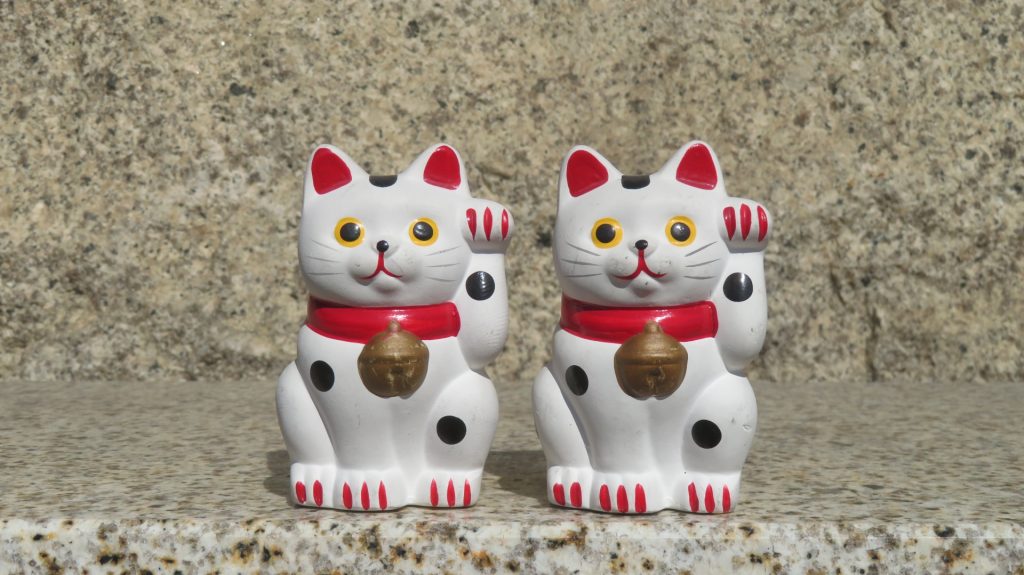
The Maneki Neko, often found at shop entrances or in souvenir stores, is more than just a cute ornament. This beckoning cat is a traditional Japanese talisman believed to bring good fortune and has been cherished by people since the Edo period. But did you know that the raised paw of the Maneki Neko has deep meanings behind it?
- Right paw raised: It is said to attract wealth and financial luck, making it especially popular for business prosperity. You’ll often see right-paw Maneki Neko at stores wishing for thriving sales.
- Left paw raised: This is believed to attract people and foster good relationships. It’s often used in places like restaurants, hotels, or any business that values inviting large crowds.
Did you also know that the height of the raised paw has its own meaning? According to legend, cats with higher paws bring good fortune from far away, while those with lower paws attract blessings from closer distances. The simple gesture of raised paws holds surprisingly thoughtful symbolism!
The History and Origins of Maneki Neko
Where did the Maneki Neko come from? Its origin is steeped in mystery, but here are two notable legends associated with this lucky cat.
The Gotokuji Temple Legend

Gotokuji Temple, located in Setagaya, Tokyo, is famously known as the birthplace of the Maneki Neko. According to its lore, a feudal lord caught in a sudden rainstorm was seeking shelter nearby. Just then, a cat appeared and made a beckoning gesture toward the temple, inviting the lord inside. Moments later, lightning struck the very spot where the lord had been standing. Realizing the cat had saved his life, he became a generous patron of the temple. From this story, cats became a symbol of good luck and protective blessings.
The Imado-yaki Pottery Connection
In the Imado district of Tokyo, the local pottery industry, known as “Imado-yaki,” is a vital part of the area’s history. Among their creations, the Maneki Neko became a signature product. Today, the district remains a hotspot for Maneki Neko-related items, attracting both domestic and international tourists.
Other regions, such as Osaka and Kyoto, also have their own folklore tied to charming lucky cats. However, they all share one common theme: cats symbolize gratitude and the power to fulfill wishes.
Meanings of Maneki Neko’s Vibrant Colors

While the classic white Maneki Neko is the most familiar, did you know that the lucky cat also comes in various colors, each with its own special meaning? Let’s explore the significance of some colors:
- White: Symbolizes purity and general good fortune. It’s the most common and traditional choice.
- Black: Thought to ward off evil spirits, black cats are often chosen to offer protection and promote health and safety.
- Gold: A symbol of wealth and prosperity, gold Maneki Neko are especially popular with business owners.
- Red: This color is associated with good health and protection, particularly for children.
- Green: Associated with success in academic and educational pursuits.
- Pink: Best known for attracting love and improving romantic relationships.
These bright colors not only add charm to the traditional form but also make it a wonderful gift tailored to an individual’s specific wishes.
Fun Facts About Maneki Neko

Let’s dive into some fun and lesser-known trivia about this beloved icon of good fortune. These tidbits might just make you appreciate them even more!
- Tokoname City: The Maneki Neko Capital
Located in Aichi Prefecture, Tokoname City is home to “Tokoname Maneki Neko Street,” where hundreds of lucky cat figures line the roads. From massive sculptures to tiny figurines, this location offers an awe-inspiring Maneki Neko experience and an unforgettable photo spot. - Loved Around the Globe
You might think of Maneki Neko as a strictly Japanese item, but it’s actually loved worldwide! In China, it’s called the “Lucky Cat,” while in English-speaking countries, it’s commonly referred to as the “Fortune Cat.” Gold and red versions are especially sought after in international markets.
A Perfect Souvenir for Your Visit to Japan
If you’re looking for a memorable souvenir from Japan, Maneki Neko is a fantastic choice. It’s lightweight, easy to pack, and full of symbolic meaning. A miniature figurine or keychain makes for an excellent gift that carries a bit of Japanese culture wherever it goes.
Explaining the meaning of each color when giving it as a gift can also add a heartfelt touch. You’ll find them sold widely in popular tourist spots like Tokyo, Kyoto, and Osaka, available in a range of materials and designs to suit every taste.
Find Your Own Lucky Cat and Invite Happiness Into Your Life

As we’ve explored, the Maneki Neko is more than just a cute figurine. Its charm lies in the rich history and symbolism behind its raised paw and colorful designs. Visiting places like Gotokuji Temple or the Imado district offers a chance to connect with the deep-rooted traditions behind this iconic figure.
Whether you’re looking to attract wealth, health, love, or just a bit of luck in your daily life, finding a Maneki Neko that matches your wishes could bring about some truly fortunate changes. Why not invite one into your home or business today?