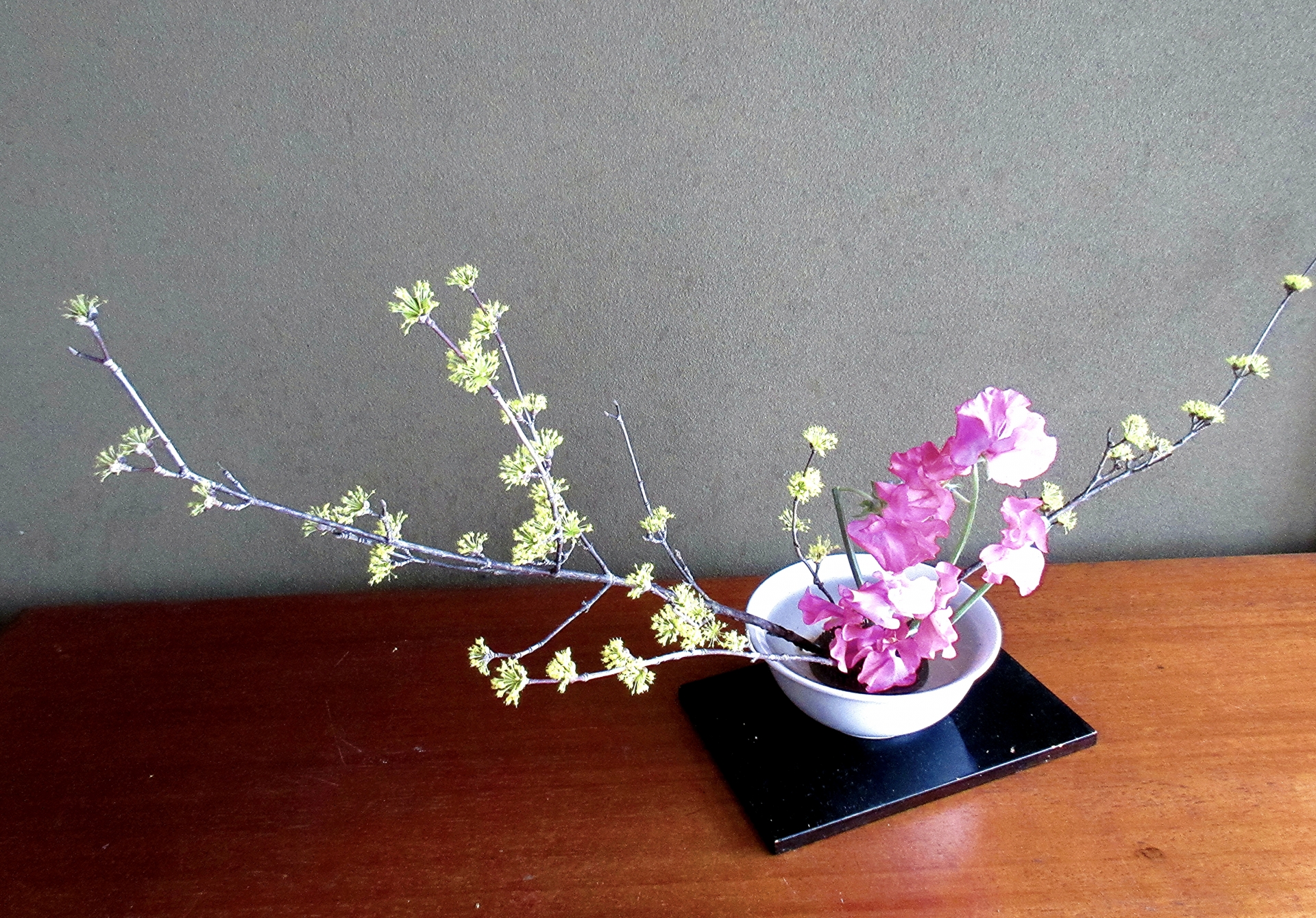
Ikebana, or “the way of flowers,” is a traditional Japanese art deeply rooted in the nation’s culture and spirit. While it is often perceived as simply arranging flowers beautifully, ikebana holds deeper meanings tied to harmony with nature and spiritual discipline. In this article, we’ll delve into the basics, history, and charm of ikebana, as well as provide some fascinating facts to enhance your understanding of this ancient practice.
The Origins of Ikebana: A Tradition Born from Buddhism and Nature
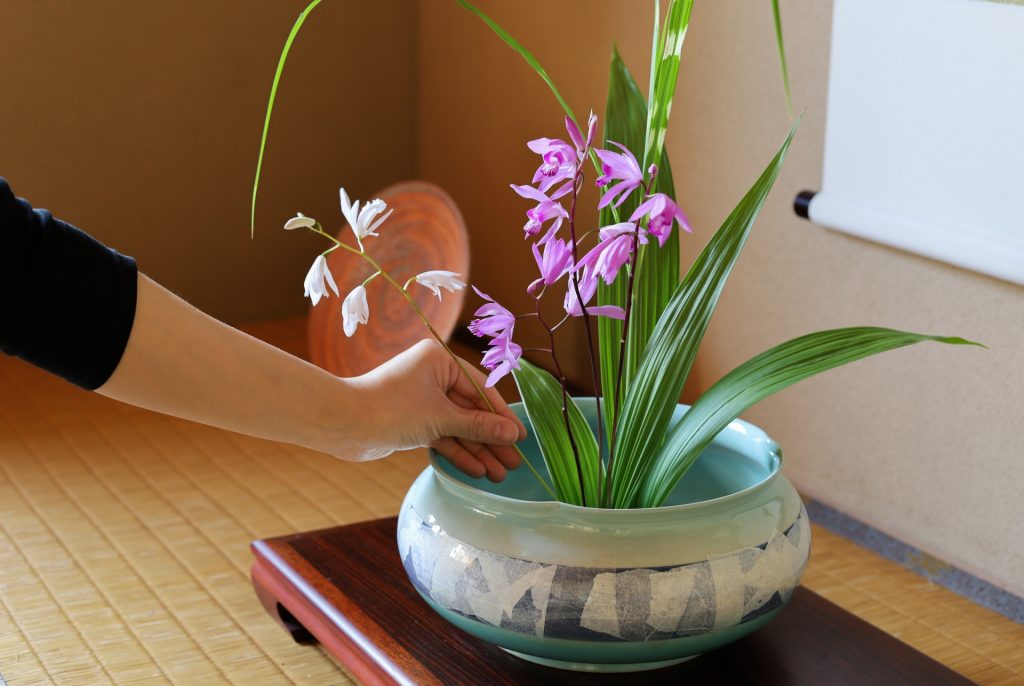
The history of ikebana is based on Japan’s reverence for nature and spiritual values. Passed down for centuries, its roots reflect uniquely Japanese cultural ideals, evolving over time into the sophisticated art form we know today.
The Influence of Buddhist Rituals and Ancient Japanese Practices
Ikebana originated with the introduction of Buddhism to Japan in the 6th century. Flowers were offered in rituals known as kuga at Buddhist altars, symbolizing reverence and devotion. Unlike India, where lotus flowers were predominantly used, in Japan seasonal flowers became preferred, reflecting regional characteristics and the country’s appreciation for the changing seasons.
Additionally, aspects of ikebana draw from Shinto, Japan’s indigenous belief system, which treasured the relationship between humans and nature. Decorating and arranging plants stood as a way to honor deities and connect with the spiritual world.
Establishing the Foundation of Ikebana During the Muromachi Period
Ikebana took a more defined form during the Muromachi period (1336–1573). As the minimalist shoin-zukuri style of Japanese architecture became popular, floral arrangements became integral parts of interior decoration for tea rooms and reception halls.
Artistic arrangements, particularly the tatebana style, developed during this period, reflecting structure and balance. Samurai warriors, who were custodians of culture at the time, took a keen interest in flower arranging, elevating it to an essential cultural practice and symbol of refinement.
The Popularization of Ikebana During the Momoyama and Edo Periods
In the Momoyama period (1573–1603), the celebrated tea master Sen no Rikyu played an integral role in reshaping the perception of ikebana. His style, known as chabana (tea flowers), embraced simplicity. In stark contrast to the decorative tatebana, chabana emphasized the natural beauty of flowers as they appeared in their original setting, arranged in a more understated fashion.
During the Edo period (1603–1868), ikebana expanded beyond the aristocracy to the general public. Various schools emerged, formalizing techniques and aesthetics. This period also saw the birth of rikka, a highly ornamented and systematic arrangement, as well as more casual styles like nageire, which was seen as freer and more expressive.
The Key Ikebana Schools and Their Unique Characteristics
Today, there are hundreds of ikebana schools, each with its unique philosophy and techniques. The following are the three most famous schools, often called the “Big Three,” that have shaped the art form:
Ikebana Schools
- Ikenobo: The oldest school in ikebana history. Known for its formal and highly structured style, rikka (standing flowers), it emphasizes balance and grace.
- Sogetsu: This modern school prioritizes contemporary designs and personal creativity. Sogetsu arrangements often challenge traditional concepts by incorporating unexpected materials and aesthetics.
- Ohara: A school that focuses on harmony between flowers and space, with distinctive attention to the relationship between the arrangement and its container.
These schools demonstrate that ikebana is not one single style but a dynamic art with diverse approaches and philosophies.
Fascinating Facts About Ikebana
The Importance of Seasonal Flowers
Flower selection is crucial in ikebana, and the chosen plants often reflect the seasons. Spring arrangements might feature cherry blossoms or plum branches, summer showcases hydrangeas or lilies, autumn highlights chrysanthemums and maple leaves, and winter embraces camellias. Each plant carries its own cultural symbolism, adding layers of meaning to the arrangement.
Gaining International Recognition
Ikebana has grown in popularity outside Japan as an art form. For example, Sogetsu’s emphasis on freedom and creativity appeals to contemporary artists and audiences around the world. Dynamic ikebana performances combining flowers, design, and art installation have become prominent in exhibitions and events, further solidifying its international appeal.
Ikebana for Beginners
Starting ikebana is surprisingly accessible. Major schools offer beginner courses, where you can learn the fundamentals in a friendly and supportive environment.
For those with busy schedules or limited commitment, many workshops offer one-time classes, providing an excellent opportunity to explore the basics of ikebana without a long-term commitment. Look for community centers, cultural organizations, or ikebana salons to find these opportunities.
Tools You’ll Need to Start Ikebana
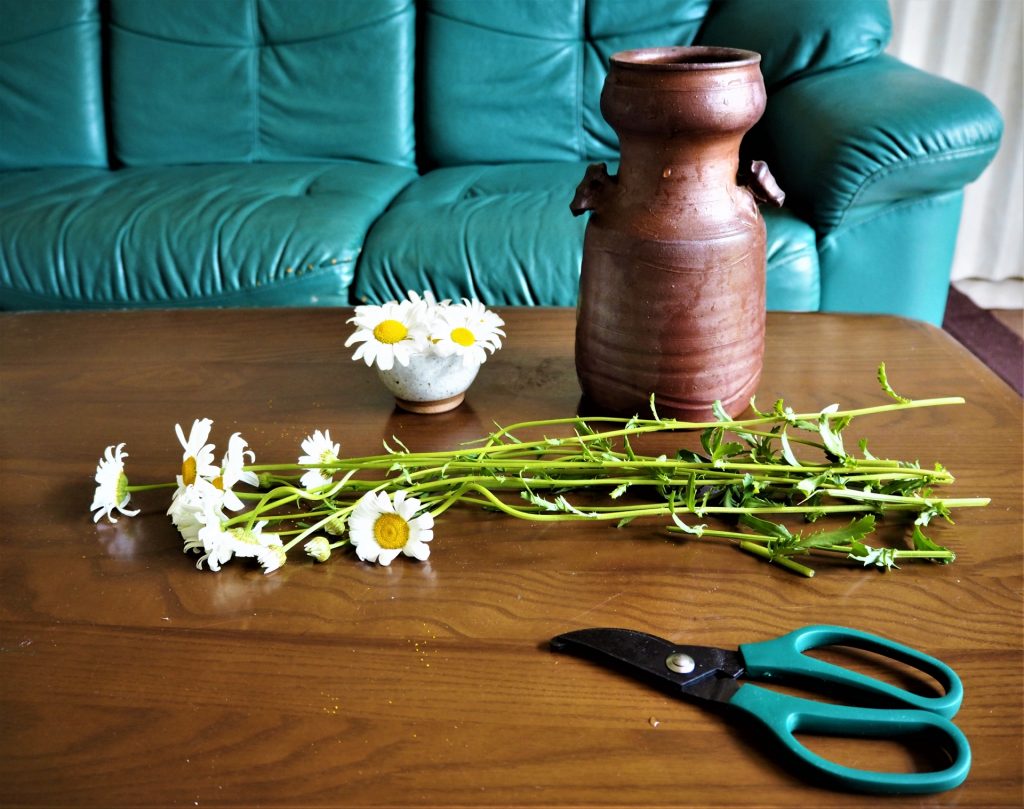
Before you begin practicing ikebana, it’s important to acquire a few essential tools. These items are easy to find and will set you up for success as a beginner:
- Ikebana scissors: Specially designed to cut stems and branches with precision while reducing strain on your hands.
- Kenzan (flower frog): A weighted base with pins to hold your materials in place and give support to your arrangement.
- A vase or container: Choose a simple vase to allow the flowers to take center stage. Ceramic or glass are common choices for beginners.
- Flower bag: Useful for transporting or storing materials safely.
Some ikebana workshops provide tools for participants, so it’s worth confirming before purchasing your own.
Etiquette in Ikebana
Ikebana is more than arranging flowers—it’s about mindfulness and respect, both for the materials and the process. Some key aspects of ikebana etiquette include:
- Always have clean hands when handling flowers.
- Treat flower-cutting and arranging as deliberate, graceful actions.
- Remember that ikebana is a representation of nature indoors, so focus on balance and harmony when shaping your piece.
Explore Ikebana Through Hands-On Workshops
Looking to deepen your appreciation of Japanese culture? Ikebana workshops provide a hands-on way to enjoy this traditional art. Here are three great options:
Tokyo: XIKA Omotesando
Located in Tokyo, XIKA Omotesando offers ikebana experiences for all skill levels. Beginners can easily pick up the basics through their accessible, thoughtfully planned sessions. Whether you’re a local or visiting the capital, this salon is perfect for anyone seeking a calm and creative cultural activity.
Kyoto: Sakura Ikenobo Ikebana Class
Situated in historic Kyoto, Sakura Ikenobo Ikebana Class focuses on seasonal arrangements and introduces the traditional Ikenobo style. Beginners and experienced practitioners alike are welcome to participate, making it a fantastic addition to a cultural day in Japan’s ancient capital.
Incorporating Ikebana in Daily Life

Even if you’re not ready to fully dive into ikebana, you can still incorporate elements of it into your daily life! Arrange a single flower in a small vase or experiment with seasonal branches from your local area. These tiny touches can transform your home and bring a sense of nature and mindfulness into your space.