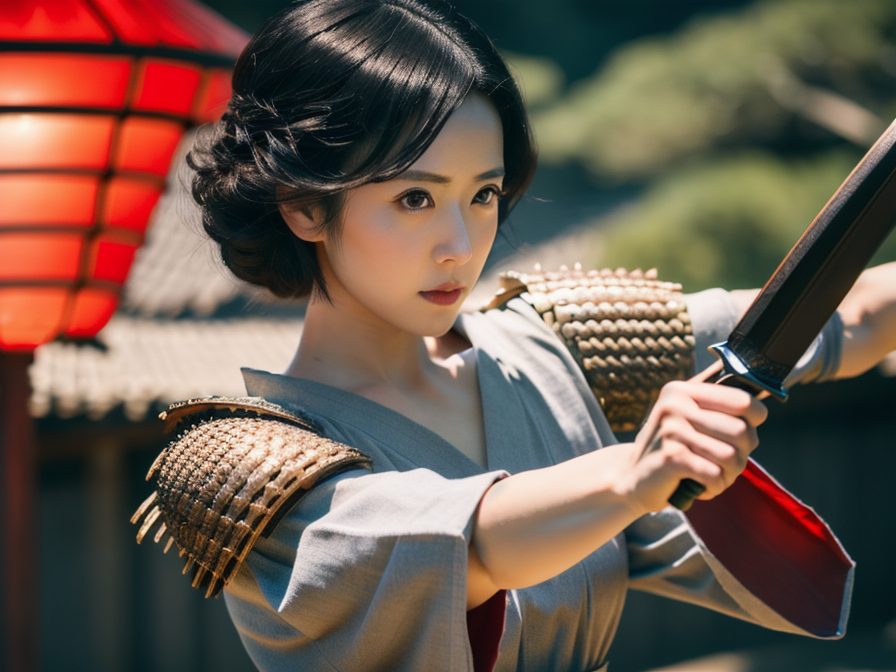
When you hear the word “samurai,” what do you imagine? Perhaps a stoic Japanese warrior in traditional robes, holding a katana sword, ready for battle? Thanks to their appearances in movies, TV shows, and anime, samurai have become a global symbol of Japan’s history and culture. But if someone asked you to explain what samurai really are, could you? You might find it tricky to describe these legendary warriors beyond their iconic look.
In this article, we’ll dive into the history of samurai, uncover fascinating facts about their daily lives, and explore why they’ve remained so captivating for centuries. Whether you’re a history buff or simply curious, there’s much to discover about the world of samurai!
A Beginner’s Guide to Samurai History
When Did Samurai Appear?
Samurai were warriors in Japan who became prominent during the Sengoku period (15th–16th centuries) and the Edo period (17th–19th centuries). The term “samurai” comes from the word saburau, which means “to serve,” reflecting their role as loyal warriors dedicated to their lords.
What’s interesting is that “samurai” and “bushi” (another Japanese term meaning warrior) aren’t exactly the same. While bushi refers to all warriors in general, “samurai” specifically describes those who served under a lord. In a sense, samurai held a more prestigious and defined position within the warrior class.
The Origins of Samurai Culture
The foundation of samurai culture began during the Heian period (794–1185), when aristocratic families hired warriors to protect their lands. These warriors were the precursors to samurai, evolving into key figures in Japan’s power structure.
By the Kamakura period (1185–1333), the samurai had grown powerful enough to establish their own government, with the shogun as its leader. This marked the rise of the samurai-dominated bakufu (military government). As samurai gained influence, their values of honor, loyalty, and self-discipline became core tenets of their identity—eventually forming the famous samurai code known as bushido, or “the way of the warrior.”
This emphasis on discipline and societal order made samurai not just warriors but also role models in Japanese society, even during peaceful times like the Edo period.

Samurai Gear: Beyond Just the Sword
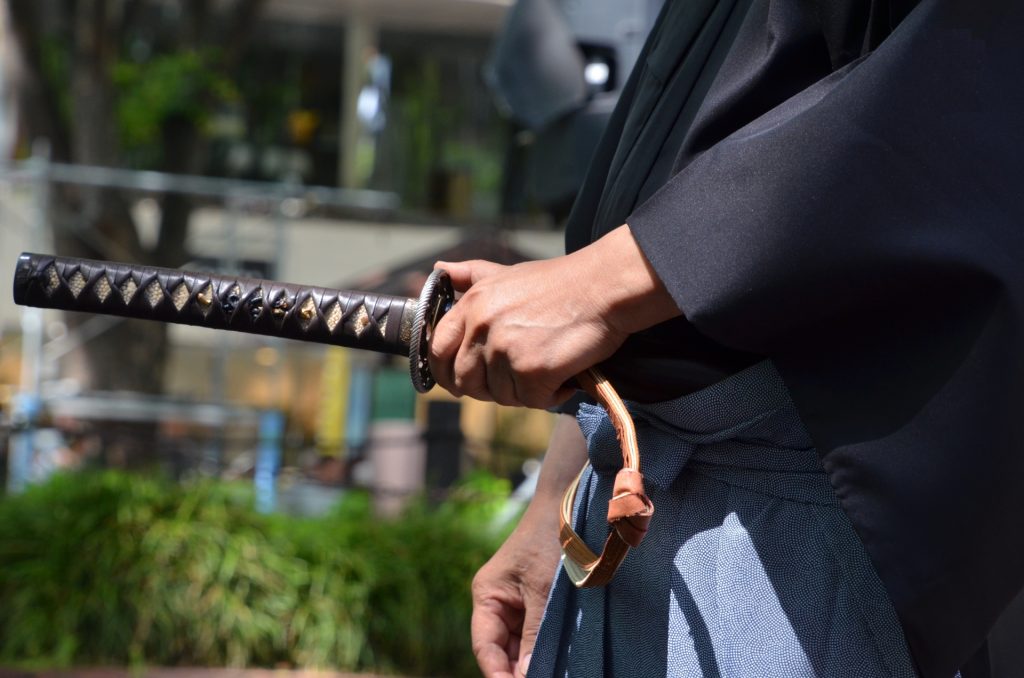
When you think of samurai, the katana (Japanese sword) immediately comes to mind. However, samurai carried far more than just swords. The items they carried reflected not only their warrior status but also their cultural refinement.

Surprising Samurai Accessories: More Than Just Weapons
- Hair Combs
A comb in the pocket? Strange, right? Samurai placed a high priority on appearance. Messy hair was considered a sign of laziness and dishonor, so they often carried combs to ensure their topknot hairstyle stayed neat. - Inkstone and Brush
Samurai weren’t just fighters; they were refined individuals who valued education and art. They carried portable inkstones and brushes to write poetry, letters, or even battlefield strategies. Being able to express ideas with words was just as important as wielding a sword. - Inro (Decorative Pouches)
Inro were small, decorative pouches that hung from a samurai’s belt (much like modern messenger bags). These pouches contained medicine or small personal items, blending practicality with artistic flair.
These personal touches remind us that samurai weren’t just soldiers but also individuals with a deep appreciation for aesthetics and culture.
Why the Samurai Still Captivate Us Today
Samurai in Hollywood
One reason samurai are such a global cultural icon is their frequent portrayal in movies. Legendary Japanese filmmaker Akira Kurosawa brought samurai culture to the world stage with his masterpiece Seven Samurai (1954). This timeless classic influenced not only Japanese cinema but also Hollywood, inspiring movies like The Magnificent Seven (1960).
Another Hollywood box-office hit, The Last Samurai (2003), also brought samurai culture to audiences worldwide. Starring Tom Cruise, the film explored themes of honor and loyalty while portraying the struggles of the samurai in a quickly modernizing Japan.
Movies like these made it easy for audiences to connect with the samurai ethos of courage, discipline, and respect.
Did You Know Foreigners Became Samurai Too?
Surprisingly, there were even non-Japanese individuals who became samurai! One famous example is the Englishman William Adams, known in Japan as Miura Anjin. In the early 17th century, Adams arrived in Japan and gained the trust of Tokugawa Ieyasu, one of the country’s most influential leaders.
Adams was given samurai status and became an advisor to the shogun, helping with navigation and foreign trade policies. His story is a testament to the universal appeal of samurai values, which transcended cultural boundaries.
Did Samurai Care About Food?
Samurai weren’t just about fighting—they also knew the importance of maintaining their health. Food played a vital role in their ability to perform on and off the battlefield.
Samurai Staples: Simple but Effective
- Onigiri (Rice Balls)
You might have guessed it: rice balls were a favorite battlefield snack for samurai. Compact, easy to carry, and filling, they were the perfect travel food during battles and long expeditions. - Miso Soup
Samurai relied on miso soup not just for flavor but for its nutritional value. It provided essential vitamins and minerals, helping them recover energy during or after long days.
Their diet was functional yet balanced, much like their personalities: disciplined and efficient.

Where to Experience Samurai Culture Today
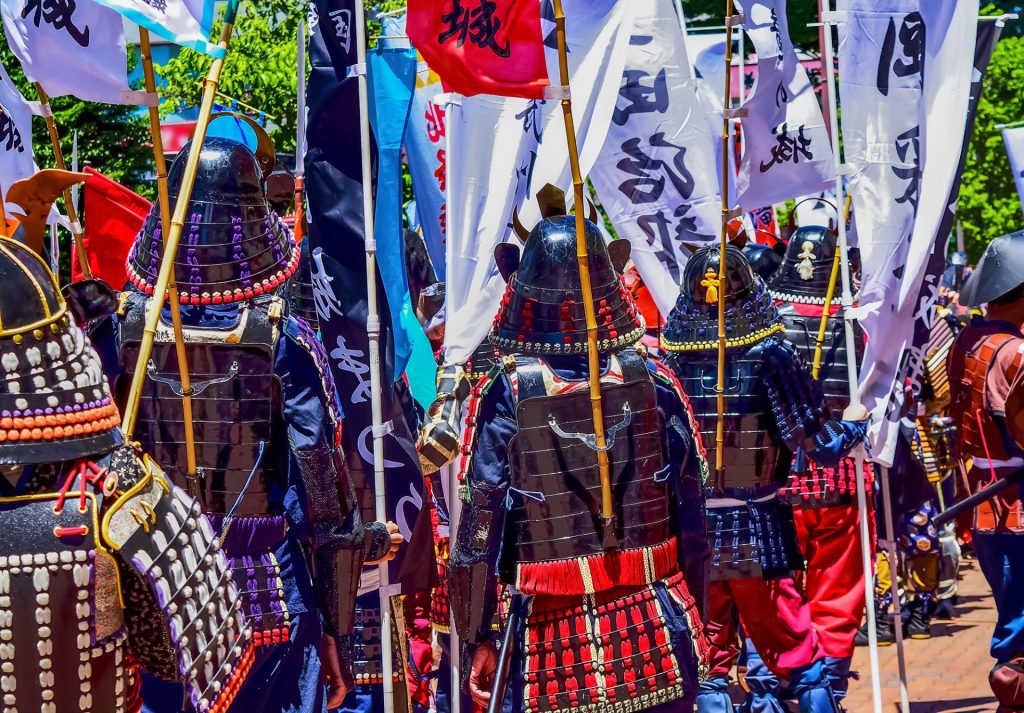
If you’re inspired to dive deeper into samurai culture, visiting cultural landmarks and museums across Japan is a great way to get a feel for their world.
- Nijo Castle, Kyoto
This historic site once functioned as a residence for samurai officials. Guided tours let you explore the castle’s interiors, where you can better understand the day-to-day life of a samurai. - Samurai Museum, Tokyo
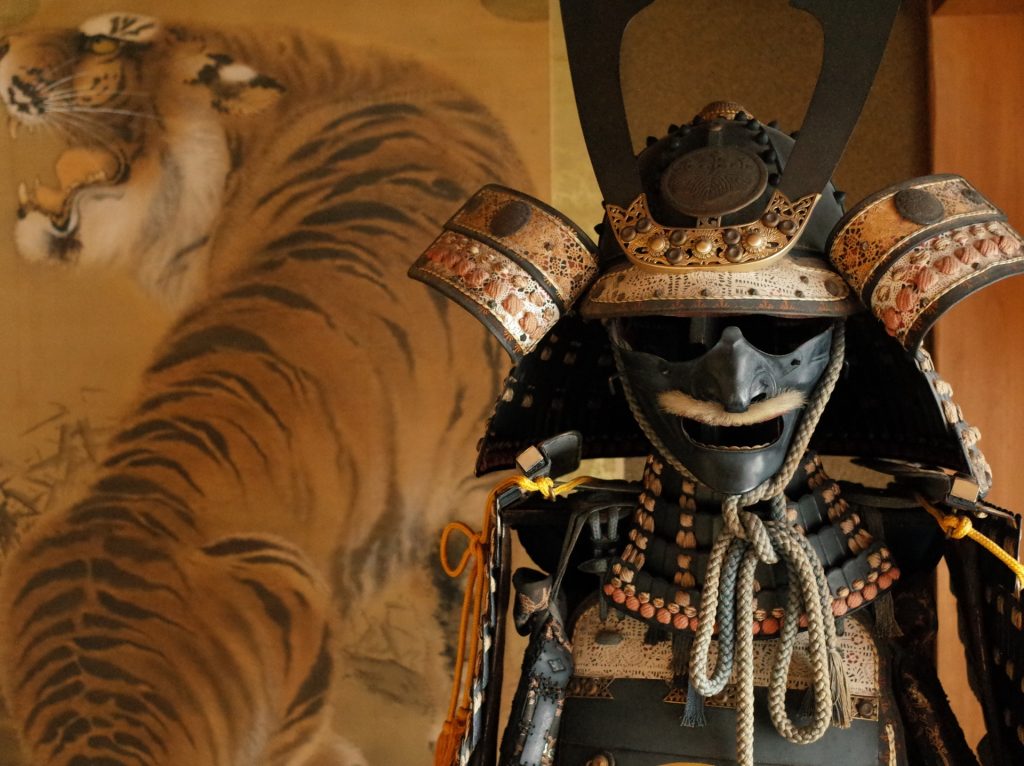
Located in Shinjuku, this museum offers detailed exhibits of samurai armor, weapons, and cultural artifacts. Visitors can also try on samurai armor, making it a fun and hands-on experience!
These spots provide a blend of history and interactivity, perfect for anyone curious about how samurai lived.
Final Thoughts: The Eternal Appeal of Samurai
Samurai were more than warriors—they were cultural icons who embodied honor, loyalty, and discipline. Their legacy continues to inspire people in Japan and around the globe. Through their code of conduct, craftsmanship, and even their dedication to food, samurai remind us of the importance of balance in life—strength paired with wisdom, bravery coupled with humility. If this article sparked your curiosity, why not plan a trip to learn more about the samurai in person? Exploring their culture might just leave you feeling a little more disciplined, honorable, and inspired!