When you think of “wine,” France or Italy might immediately come to mind. But did you know that Japanese wine has been gaining international attention for its quality and uniqueness? The distinct flavor of Japanese wine reflects not only the country’s climate and terroir but also the meticulous craftsmanship of its winemakers. Known for its sophistication and delicate balance, Japanese wine pairs perfectly with local cuisine and has become a phenomenon worth discovering.
In this article, we’ll delve into the fascinating history of Japanese wine, highlight the best regions and wineries to visit, introduce exciting wine-related events, and provide tips on how to enjoy it to the fullest.
What Is Japanese Wine? Its History and Unique Appeal

Definition of Japanese Wine: Locally Grown, Locally Made
“Japanese wine” refers to wine produced using 100% domestically grown grapes and fermented entirely within Japan. This is different from “domestically manufactured wine,” which is made in Japan but uses imported grape juice or concentrates.
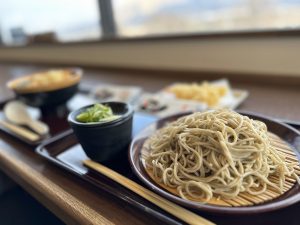
The hallmark of Japanese wine lies in its clean acidity, light body, and elegant aroma. It doesn’t overwhelm with heavy fruitiness or strong tannins but instead delivers a harmonious flavor profile that complements Japanese dishes like sushi, sashimi, or tempura. Its subtlety and balance are key reasons why Japanese wine has started winning accolades and has stood out in the global wine market.
The History of Japanese Wine: A Legacy Dating Back Over 100 Years
Japan’s first foray into winemaking began in 1877 with the establishment of “Dai-Nihon Yamanashi Budoshu Kaisha” (The Great Japan Yamanashi Grape Wine Company) in Yamanashi Prefecture. Now known as the iconic Château Mercian, this winery laid the foundation for Japan’s wine industry. Returning from France with newly acquired knowledge of winemaking, Japanese pioneers experimented with local grape varieties, particularly the Koshu grape.
The Koshu grape is a unique variety native to Japan, with over 800 years of history. It produces delicate white wines with subtle citrus aromas, a slight bitterness, and refreshing acidity. Today, Koshu wines are internationally recognized as a reflection of Japanese terroir, receiving awards and increasing global demand.
Following Japan’s World War II recovery, imported wine remained a luxury item. In response, families often made “homemade fruit wine” by fermenting locally available fruits with sugar. Though far from what we consider wine today, this served as an early bridge toward creating a wine-loving culture in Japan. During the rebuilding years of rapid economic growth, Japanese-produced wines began to gain traction in the national market.
Key Wine Regions in Japan and Must-Visit Wineries
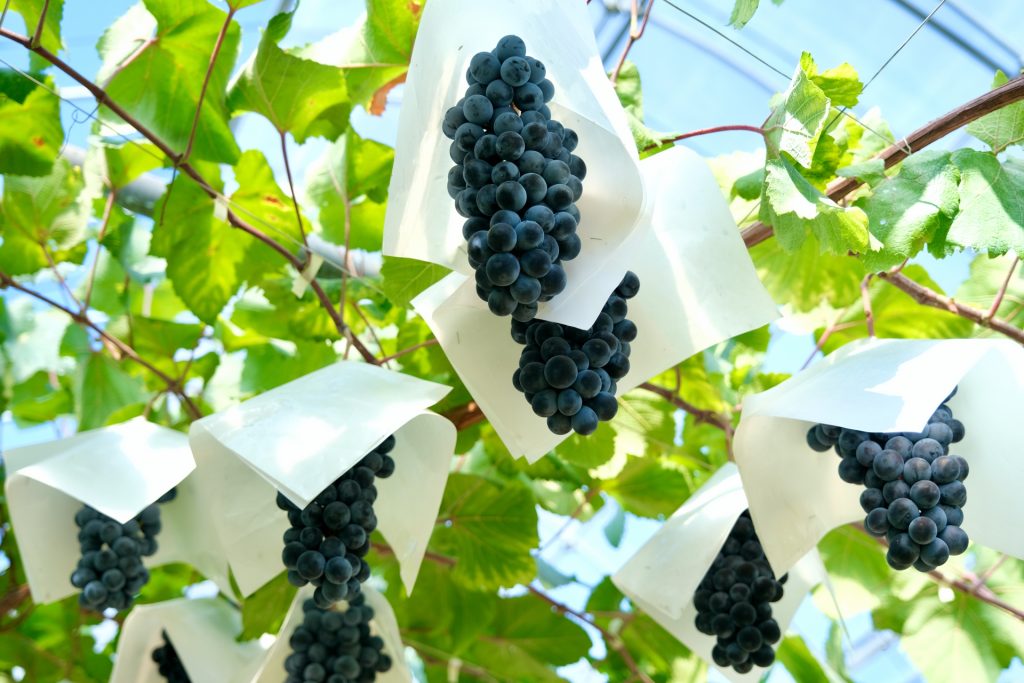
While grape cultivation is limited in Japan, the regions that do produce wine embrace their unique climatic and geographical conditions to create distinct and locally inspired flavors. Here are four major wine-producing regions and must-visit wineries to explore!
Yamanashi Prefecture: The Heart of Japanese Wine
Yamanashi is Japan’s largest wine-producing region, responsible for more than 25% of the country’s output. Known as the birthplace of Japanese wine, it hosts vineyards that thrive in the area’s sunny weather and large temperature swings between day and night. The region’s signature grape is Koshu, but Yamanashi also grows European varieties like Cabernet Sauvignon and Chardonnay.
Must-Visit Spot: Château Mercian
The iconic Château Mercian showcases both history and innovation. Its Wine Gallery offers interactive exhibits detailing the history of Japanese wine, while its tasting area lets visitors savor a variety of local wines. Set amidst picturesque vineyards, this facility also serves as a relaxing escape into nature.
Nagano Prefecture: Sophistication from High Altitudes
Nagano’s cool climate and high altitudes make it an ideal location for producing European grape varieties such as Chardonnay and Merlot. The Chikuma River Wine Valley is a standout area, where many wineries produce wines with refined and elegant flavor profiles. Nagano’s wines are increasingly respected internationally for their quality.
Must-Visit Spot: Villa d’Est Garden Farm and Winery
This scenic winery is a labor of love by artist Toyozo Tamura. Visitors can enjoy stunning garden views, farm-to-table meals, and locally crafted wines. Whether it’s Merlot with its deep, velvety flavors or crisp Chardonnay, every glass reflects the beauty and care of the region.

Hokkaido: Simple Elegance from Northern Terroir
Japan’s northernmost wine region has emerged as a promising frontier for winemaking. The cool summers and long winters create ideal growing conditions for German and French varieties like Kerner, Pinot Noir, and Riesling. The cities of Yoichi and Furano are especially well-known for producing balanced wines with refreshing acidity.
Must-Visit Spot: Yoichi Winery
Located in the charming town of Yoichi, this winery specializes in Pinot Noir and other high-quality varietals. Visitors can tour the vineyards, peek into the production facilities, and enjoy their wines amid the tranquil setting of Hokkaido’s rolling hills.
Yamagata Prefecture: Fruity Wines from the Fruit Kingdom
Yamagata, celebrated as Japan’s “Fruit Kingdom,” is also home to exceptional wine production. Grapes like Delaware and Riesling are grown here, producing wines noted for their fruity, approachable character. The region’s large day-night temperature swings enhance the sugar content of the grapes, creating balanced, flavorful wines.
Don’t Miss: Yamagata Wine Bar (Event)
Held every autumn, this festival showcases wines from across Yamagata. Sample everything from crisp Rieslings to luscious Delaware wines while enjoying local delicacies like Yamagata beef. This visitor-friendly event is perfect for experiencing the heart of Japan’s wine-and-food culture.
Top Wine Events and Festivals
Manns Wine Festa (Yamanashi)
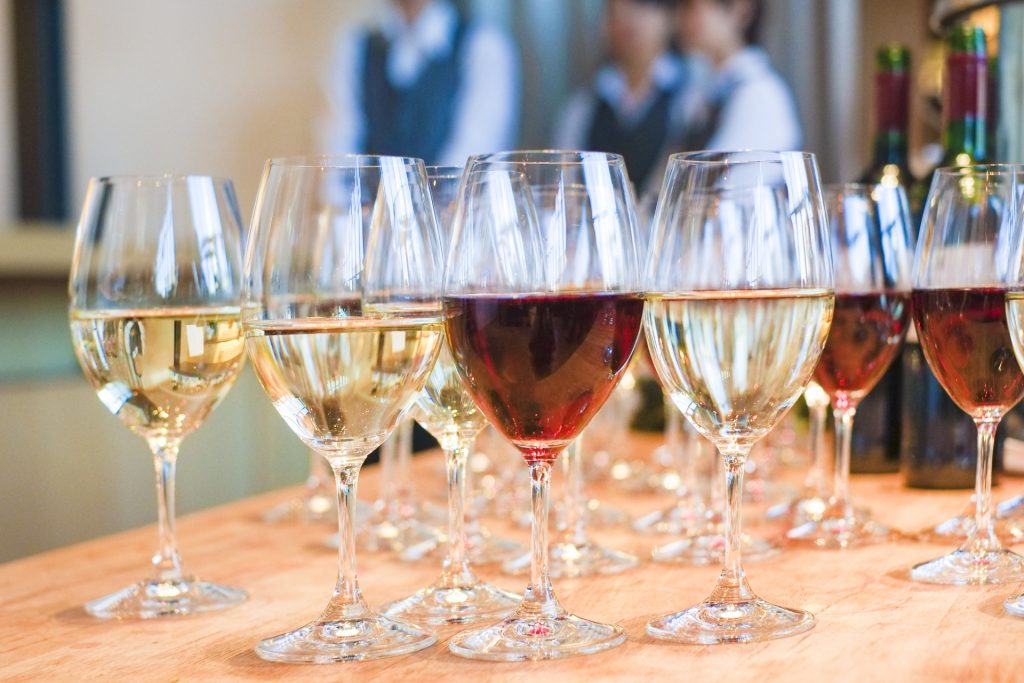
Hosted by the revered Manns Wine winery, this annual celebration of wine culture offers tastings of their signature and exclusive vintages. Visitors can stroll through scenic vineyards, join guided tours, and enjoy local cuisine alongside their selected wines. This event is perfect for families and wine novices alike.
Yamanashi Nouveau Festival (Yamanashi Prefecture)
Every November, this large-scale event celebrates the release of Yamanashi’s newest wines. Featuring tasting booths from numerous wineries, live performances, and food stalls, this vibrant festival is a must for wine lovers looking to experience Japan’s wine culture firsthand.
Perfect Pairings: Japanese Wine and Food

- Koshu × Sushi or Tempura
The clean acidity of Koshu wine cuts through the richness of tempura or fresh sashimi, elevating their delicate flavors. - Pinot Noir × Teriyaki Chicken
The fruity aroma and light tannins of Pinot Noir blend harmoniously with the sweet-savory profile of teriyaki sauce. - Merlot × Wagyu Steak
The rich umami of Wagyu steak is perfectly complemented by the velvety texture and berry notes of Merlot.

Embark on a Journey into the World of Japanese Wine
Japanese wine is more than just a drink—it’s a reflection of the nation’s culture, climate, and craftsmanship. Each region offers a unique story, and each glass tells that story in flavor. Whether you’re a seasoned wine enthusiast or a curious beginner, exploring the vineyards and wineries of Japan promises unforgettable moments. On your next trip, make Japanese wine the centerpiece of your journey, and discover the exceptional charm of this growing global phenomenon.