
Miso soup is a comfort food for many Japanese people. Whether it’s to start the day or to unwind after a long day, this beloved dish has a history, regional flavors, and plenty of nutritional benefits. In this article, we’ll share how to enjoy miso soup more deeply with tips on ingredients, its history, and more!
Learn the Basics of Miso Soup

Miso soup is a traditional Japanese dish made from miso paste and broth. While the recipe is simple, the flavors vary depending on the family or region.
Types of Miso
- White miso: Popular in western Japan. It’s slightly sweet and often used during winter, especially in New Year’s dishes.
- Red miso: Common in Nagoya and other central areas. It has a deep, rich flavor.
- Mixed miso: A blend of white and red miso, perfect for balance. It is widely used across Japan.
Types of Broth (Dashi)
- Kombu broth: Made from kelp and known for its mild taste, common in western Japan.
- Katsuobushi broth: Made from dried bonito flakes; its bold flavor is loved in eastern Japan.
- Iriko (Niboshi) broth: Made from dried anchovies and found in many Kyushu recipes. It provides a strong and flavorful base.
These ingredients, combined with different miso types, create endless variations of miso soup.

Health Benefits of Miso Soup
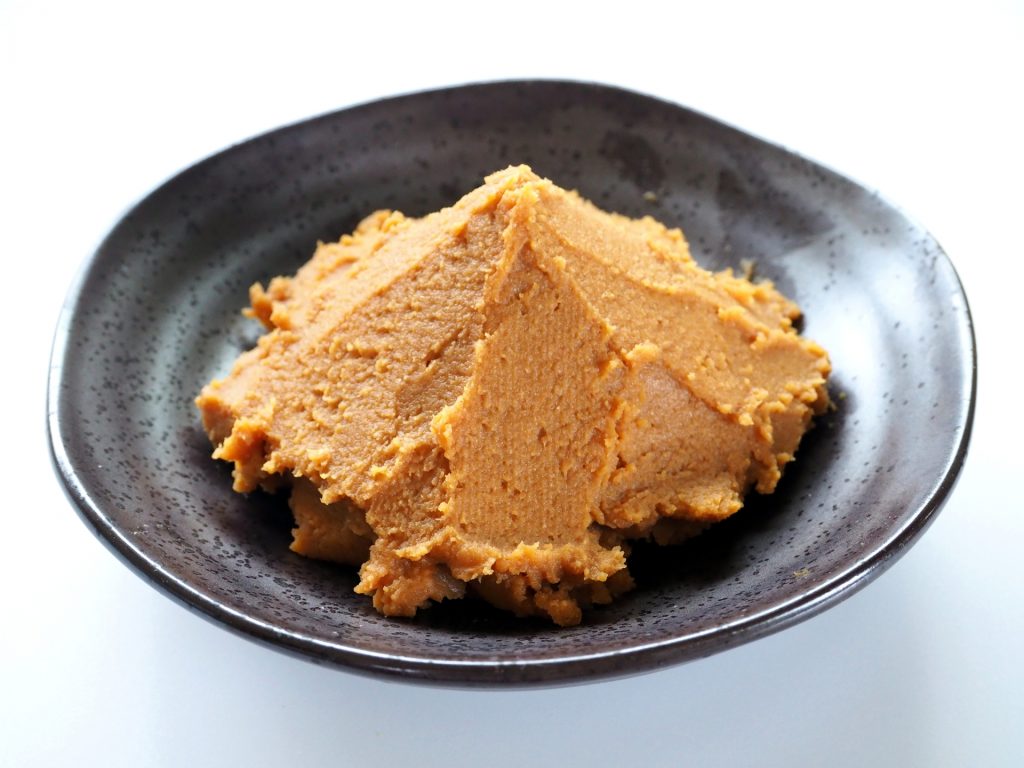
Miso soup is not just delicious—it also offers great health benefits!
Supports Gut Health
Miso is a fermented food that contains helpful bacteria, such as lactobacillus. These probiotics support digestion and promote a healthy digestive environment.
Rich in Vitamins and Minerals
The ingredients you add to miso soup, like seaweed or root vegetables, provide fiber and essential nutrients. For example, wakame (seaweed) is high in calcium and iodine, while daikon (Japanese radish) contains vitamin C.
Promotes Relaxation
The warm aroma of miso soup is soothing and helps people relax. After a long day or during a cold season, a hot bowl of miso soup is comforting for your body and mind.
Endless Ingredient Ideas for Your Miso Soup
Miso soup is highly flexible—you can create your own combinations with whatever ingredients are available! Below are some ideas for beginners and adventurous cooks alike.
Classic Pairings
- Tofu and seaweed: A simple yet nutritious balance.
- Potatoes and onions: Perfect for a comforting, hearty variation.
- Daikon and aburaage (fried tofu): A flavor combination loved in many households.
Seasonal Ingredients
Enjoying ingredients that match the season makes your soup even better!
- Spring (April–June): Nanohana (rapeseed blossoms), bamboo shoots
- Summer (July–September): Eggplant, okra
- Autumn (October–November): Mushrooms like shimeji or maitake
- Winter (December–February): Chinese cabbage, taro
Unique and Fun Additions
- Tomato: Adds a hint of acidity that pairs surprisingly well with miso.
- Avocado: Creamy and savory—perfect for a twist.
- Cheese: Gives your miso soup a fusion-style makeover.
Try Miso Soup at These Famous Restaurants
If you want a special bowl of miso soup, here are recommendations for real restaurants that serve excellent versions.
MISOJYU @ Tokyo, Asakusa
This famous restaurant serves miso soup as the main star of the menu. Located in the heart of Asakusa, MISOJYU offers bowls packed with seasonal vegetables and other hearty ingredients. The soup is made with either red or white miso, and the taste is unforgettable. Tourists and locals alike enjoy this spot!
Takeshigero @ Kyoto
This traditional restaurant in Kyoto serves elegant white miso soup. Takeshigero is known for its delicate broth made from locally sourced vegetables and kombu. Paired with traditional multi-course meals, this is a must-visit spot for authentic flavors.
Conclusion
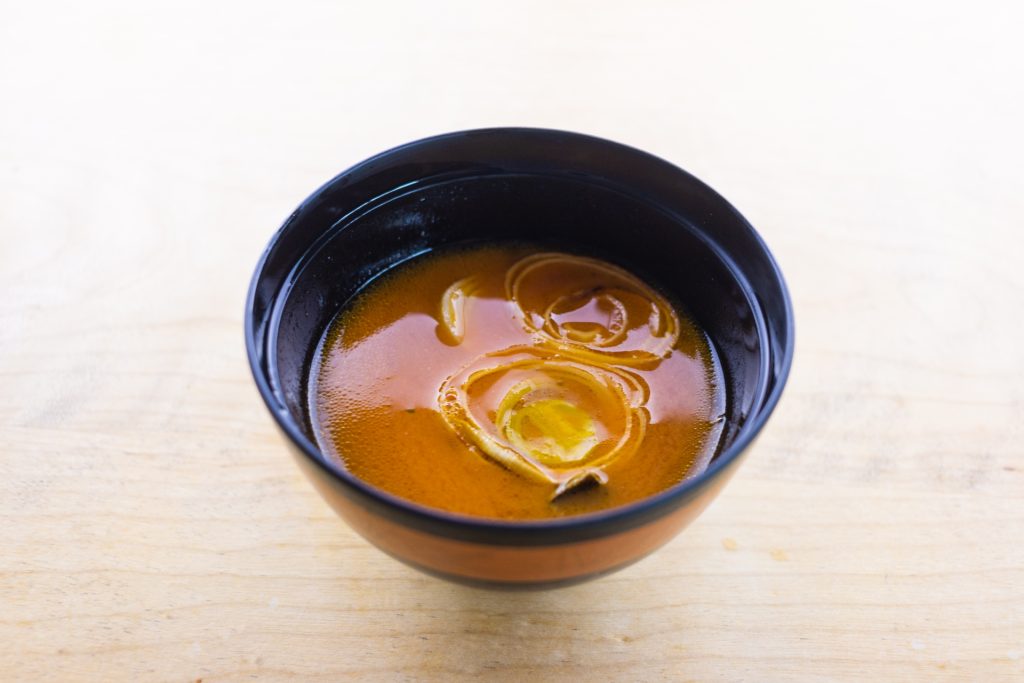
Miso soup is part of Japanese culture—it reflects regional traditions, household creativity, and the joys of warm, home-cooked meals. Exploring its history and nutritional benefits can make it even more enjoyable to drink.
Additionally, why not visit a famous restaurant for inspiration or try adding new ingredients to your miso soup at home? The possibilities are endless, and you’re sure to discover new favorites along the way.