
Sumo Wrestling, a traditional Japanese sport, is full of strength, techniques, and a fascinating history. While many recognize it as Japan’s national sport, there are plenty of little-known facts and traditions behind the scenes that can make the experience even more enjoyable.
In this article, we’ll dive into the history, rules, and fun trivia about sumo. By the end, you’ll have a deeper appreciation for this unique sport and its rich culture!
What is Sumo? The Basics of the Sport

Sumo is a one-on-one wrestling match in a circular ring called a “dohyo.” The rules are simple—push your opponent out of the ring or make any part of their body (other than their feet) touch the ground to win.
However, with over 82 official techniques (from pushes to complex throws), the sport is easy for beginners to follow but incredibly deep for those who want to fully understand its strategies.
The Origins: Sumo’s History as a Sacred Ritual
Sumo’s origins can be traced back over 1,500 years, when it was originally performed as a ritual dedicated to the gods. It started as part of ceremonies hoping for a good harvest. Later, during the Edo Period, sumo became a form of entertainment for the masses.
If you’ve noticed wrestlers sprinkling salt before the match, this stems from these ancient ceremonies, as the salt purifies the ring and wards off any bad spirits.
Behind the Scenes: Amazing Facts about Sumo Wrestlers
How Wrestlers Maintain Their Incredible Size
Sumo wrestlers are known for their massive size, but it’s a misconception that they only get big by overeating. In fact, their diet is balanced with muscle training and rigorous daily practice.
A famous dish among sumo wrestlers is “Chanko Nabe,” a stew of meat, fish, and vegetables. Interestingly, the term “Chanko” doesn’t refer to a specific food—it refers to meals prepared for and by sumo wrestlers.
The Purpose of Sumo Hairstyles
Have you noticed the elaborate hairstyles of sumo wrestlers? Called “mage,” these styles are a visual indicator of rank. Wrestlers with higher ranks have grander, more sophisticated hairstyles. An interesting bonus: the topknot also acts as a cushion if a wrestler falls during a match!
Fun Trivia to Enjoy Sumo Even More
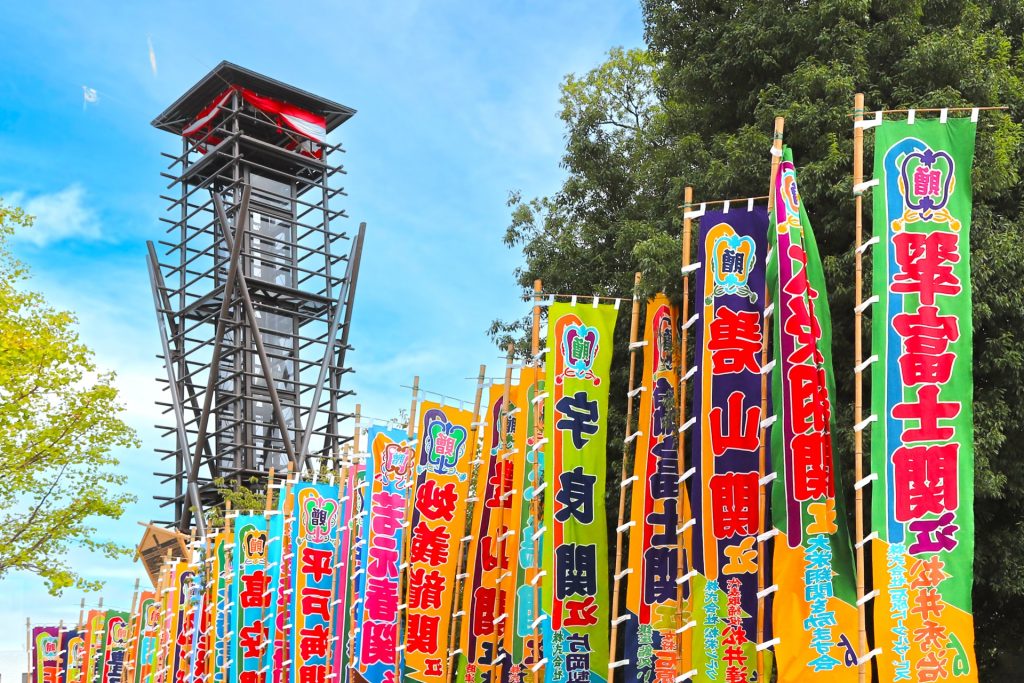
- Stylish Mawashi (Belts)
The belts or “mawashi” wrestlers wear are not just accessories—they are symbols of individuality, often featuring their names, sponsors, or family crests. - The Role of the “Four Gods”
The colorful tassels in the corners of the dohyo represent the Four Guardians: Blue Dragon, White Tiger, Vermilion Bird, and Black Tortoise. These protect the dohyo from evil spirits. - Prize Money Envelopes
Have you noticed wrestlers receiving envelopes after matches? These contain cash prizes, a fun and uniquely practical touch in sumo culture.
Where to Experience Sumo Culture Firsthand

If you’re visiting Japan, don’t miss the chance to witness sumo-related activities up close. Popular options in Tokyo include dining at famous restaurants serving Chanko Nabe like Chanko Kirishima and Chanko Tomoegata.
For a deeper experience, consider booking a visit to a sumo stable (training house) to observe morning practice sessions. Just make sure to respect the rules and reserve your spot in advance!

Dive into the World of Sumo
Sumo is more than a sport; it’s a window into Japan’s rich history and unique culture. Whether you’re a first-time visitor or a seasoned fan, there’s always something new to discover in the world of sumo.
Next time you’re in Japan, why not explore this fascinating traditional sport and immerse yourself in its cultural depth?