The beautiful mountains, the fragrant Shinshu soba, and the historic Zenkoji Temple are just a few examples. While these are all true, the charm of Nagano Prefecture goes far beyond these highlights, offering a depth of experiences that must be seen to be believed.
In this article, we’ll share the wonders of Nagano, featuring its captivating nature, unique culture, delicious food, and some fun facts. By the time you’ve finished reading, you’ll be saying, “Nagano is my next travel destination!” Let’s dive in and explore the charm of Shinshu together.
What Is Nagano Prefecture Like? An Introduction
Nagano Prefecture is located roughly in the center of Japan and borders eight other prefectures. Known nationwide for its mountainous terrain, Nagano is home to the Northern, Central, and Southern Japanese Alps. It is also the fourth largest prefecture in Japan by land area, and its landscapes and climate vary drastically depending on the region. With many areas at high elevation, summers are cool, and many places receive snow during the winter.
Did You Know? Nagano Is Landlocked but Heavily Influenced by the “Sea”
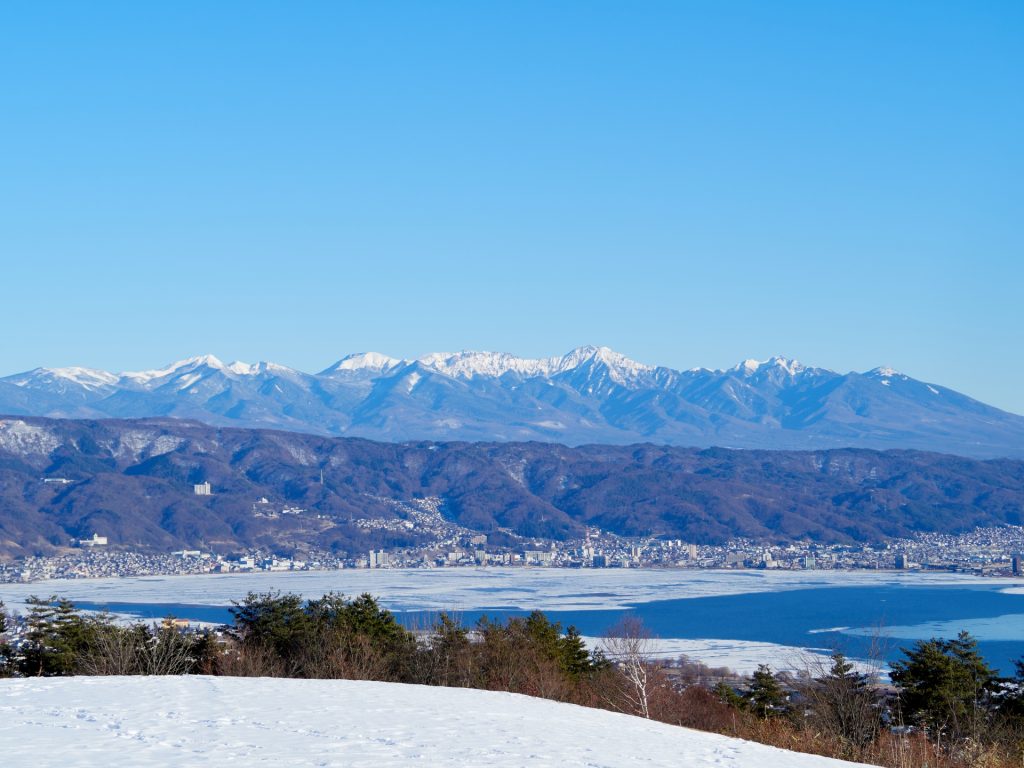
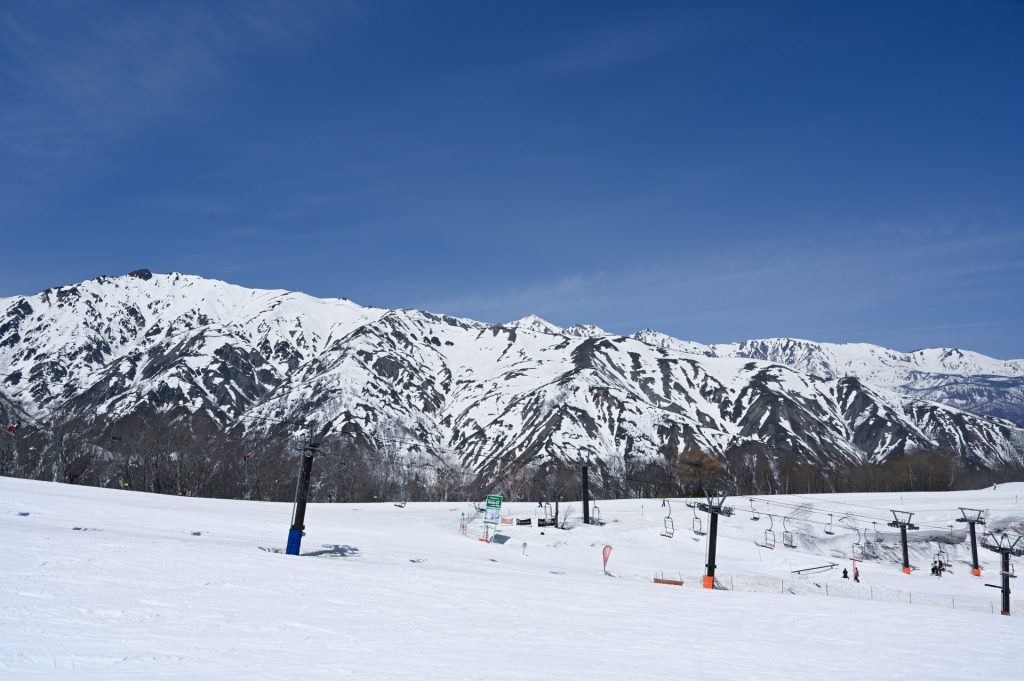
Though Nagano Prefecture has no coastline, it is greatly influenced by seasonal winds from the nearby Sea of Japan. This results in heavy snowfall in certain regions (designated as heavy snow areas), making it a popular destination for skiers and snowboarders.
In addition, Nagano is home to the expansive Lake Suwa. This scenic lake is easily accessible and attracts many visitors. Locally, the lake is sometimes referred to as “Suwano-umi,” or “the sea of Suwa,” adding a unique flair to its reputation. These quirks give Nagano’s natural features an intriguing and endearing charm.
Stunning Spots to Experience Nagano’s Natural Beauty
Nagano is a destination for all seasons, where each time of the year offers a unique experience of stunning scenery. Here are some must-visit spots that captivate visitors.
Kamikochi
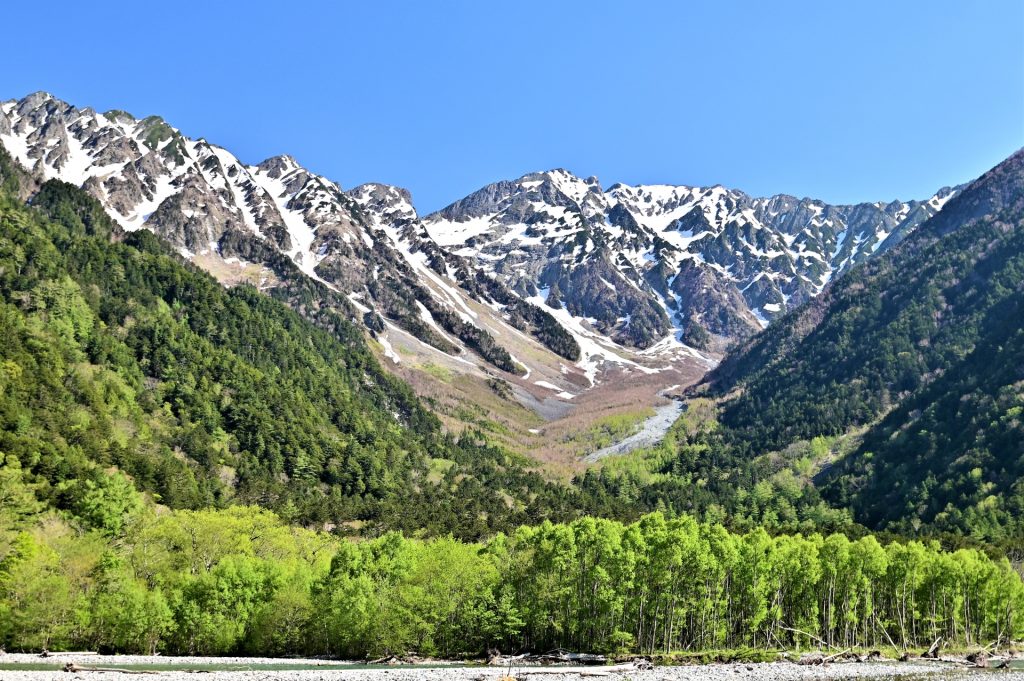
Often referred to as the “Switzerland of Japan,” Kamikochi boasts breathtaking natural beauty. From spring to summer, the lush green landscapes make it a haven for trekking enthusiasts. The pristine Azusa River and the magnificent Northern Alps combine to create an unforgettable vista.
Hakuba Village
Located in northern Nagano, Hakuba Village is famous as a world-class ski resort vibrant with international visitors during the winter. In the summer, the emerald-green waters of Lake Happo and the stunning beauty of Hakuba’s alpine scenery are a must-see. Don’t miss the gondola rides that offer panoramic views of the mountains.
Takato Joshi Park
Takato Joshi park in central Nagano is one of Japan’s “Three Great Cherry Blossom Spots.” When spring arrives, the park’s mountainsides are blanketed with cherry blossoms, leaving visitors in awe of the breathtaking seasonal transformation.
Even beyond these famous locations, Nagano is home to countless hidden gems waiting to be discovered. Planning your route is half the fun!
Fun Fact: Nagano Has High Forest Coverage!
While Japan’s average forest coverage is 66%, Nagano boasts an impressive 80% forest coverage. Surrounded by such expansive nature, it’s no wonder that Nagano is so often chosen as a retreat for those seeking a peaceful getaway.
Must-Try Food Experiences in Nagano
Nagano is packed with local delicacies beloved by residents and visitors alike. Here are some of Nagano’s most iconic foods, along with recommendations on where to try them.
Shinshu Soba
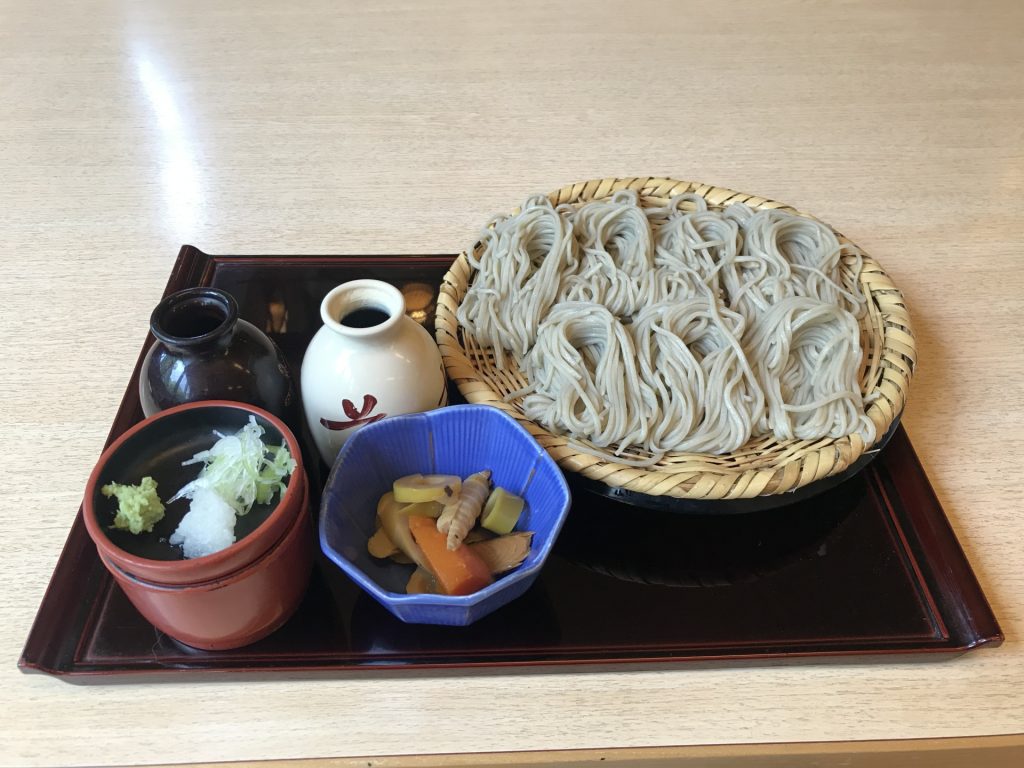
When it comes to Nagano specialties, “Shinshu Soba” is at the top of the list. Thanks to its mountainous climate, Nagano is perfectly suited to soba cultivation, and its soba-making traditions run deep. The area’s renowned soba includes the famous Togakushi soba, which is beloved for its authentic taste.
Soba is most commonly enjoyed as “zaru soba” (cold noodles dipped in sauce), but hot options like “kakesoba” or “sansai soba” (made with mountain vegetables) are also popular, especially in cooler seasons. Due to its simple yet healthy appeal, soba is particularly popular among international visitors.
- Where to Try: Uzuraya
A staple of Togakushi soba, Uzuraya is located near Togakushi Shrine and offers delightfully fragrant and flavorful soba. Even with long wait times, the experience is worth it.
Local Cuisine: Oyaki
“Oyaki” is a traditional food made with a dough of buckwheat or wheat flour, stuffed with fillings like nozawana (pickled greens), pumpkin, or sweet bean paste, then steamed or baked. Renowned for its simple yet addictive flavor, oyaki is a must-try in Nagano.
They are widely available at roadside stalls and local markets, making them a convenient snack during your travels.
- Where to Try: Ogawa no Sho (Jomon Oyaki)
Located in Nagano City, this shop specializes in authentic oyaki baked over an irori (traditional hearth). From classic nozawana fillings to unique varieties, this shop has something for everyone.
Traditional Sweets: Misuzu Ame
Misuzu Ame are traditional sweets with over 100 years of history. These beautifully transparent jelly desserts are made from fruit juices, offering both a rich flavor and natural sweetness. They also make exquisite souvenirs due to their elegant appearance.
- Where to Buy: Iijima Shoten
As the birthplace of Misuzu Ame, this long-established store in Nagano specializes in preserving the traditional flavor of this sweet.
Fun Fact: Is Nagano Truly the Birthplace of “Soba Cut Noodles”?
Yes! The modern style of soba noodles actually originated in Nagano. During the Edo period, the transition from “soba-gaki” (a simple buckwheat dough) to the now-familiar “soba-kiri” (thinly cut soba noodles) first gained popularity in this region. Knowing this little tidbit makes enjoying Nagano soba even more special!
Accessing Nagano and Travel Tips
Getting to Nagano via Public Transportation
As a centrally located prefecture in Japan, Nagano is surprisingly easy to access from key urban areas. High-speed trains and buses offer convenient and affordable transit options.
- Hokuriku Shinkansen
From Tokyo Station, it takes about 90 minutes to reach Nagano City by Hokuriku Shinkansen. Stops at key locations like Karuizawa, Saku, and Ueda make it easy to explore major sightseeing areas. - Express Buses
Direct highway buses connect Nagano with Tokyo, Nagoya, and Osaka. They are often more affordable than trains, making them a great option for students or budget travelers. Some buses even head directly to ski resorts and hot springs.
Driving to Nagano by Car
For more flexibility in your travel plans, renting a car is the way to go. Nagano’s extensive highway network ensures easy access to major attractions.
- From Tokyo
Routes via the Chuo Expressway or Kan-Etsu Expressway take 2.5–3.5 hours to reach Nagano. Roadside service areas provide delicious snacks and scenic rest stops along the way. - From Nagoya
Travel along the Chuo Expressway to reach central Nagano in about 3 hours. Make a pit stop at the Komagatake Service Area to enjoy views of the Southern Alps. - From Kansai
From western Japan, take the Meishin Expressway or Hokuriku Expressway for a picturesque drive to Nagano’s northern regions.
Helpful Tips for Travel in Nagano
Seasonal Weather and Clothing
Nagano’s vast terrain and high altitude create significant seasonal and regional climate differences. Packing the right clothing for the season and your destination is important.
- Spring (March–May): Mornings and evenings can still be chilly. Bring a light jacket, especially if you plan to see cherry blossoms at Takato Joshi Park.
- Summer (June–August): Though cooler than the cities, daytime temperatures can exceed 30°C. Bring a jacket for cooler evenings, particularly in highland areas like Karuizawa.
- Autumn (September–November): For the autumn foliage season, pack additional layers for cold mornings and evenings, especially in mountainous areas.
- Winter (December–February): Winters are biting cold, so bundle up with gloves, scarves, and insulated outerwear. Non-slip, waterproof footwear is essential for skiing or snowy areas.
Local Etiquette and Manners
- Hot Spring Manners:
Always check for rules regarding tattoos, as some onsens may not allow them. At public bathhouses like Nozawa Onsen, be aware that soap and shampoo use may be restricted. - Dining Customs:
When eating Shinshu soba, locals typically dip only a small amount of noodles into the sauce to savor the natural flavors. Try this local style to fully enjoy your meal. - Photography Etiquette:
During winter, areas such as Kamikochi may restrict access for safety. From spring to autumn, enjoy your visit respectfully by staying on designated paths, especially in protected natural areas. When photographing private lands like rice terraces or fields, avoid trespassing and be mindful of local farmers.
Experience the Best of Nagano
Nagano Prefecture is a treasure trove of Japan’s stunning nature, rich history, and warm local culture. From experiencing the splendor of the Japanese Alps to savoring flavorful local dishes, every visit offers new discoveries.
Whether you’re a first-time visitor or a seasoned traveler, Nagano always has something new waiting for you. Why not plan your next adventure to Shinshu and discover its countless wonders?