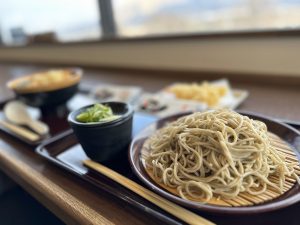
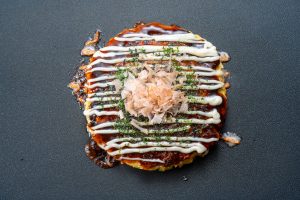
When it comes to Japanese cuisine, there’s one subtle hero that often works behind the scenes—dashi. This simple yet flavorful broth is the backbone of many Japanese dishes, from soothing miso soup to rich hotpots. Dive into the fascinating world of dashi and discover its types, unique trivia, and why it’s essential to Japanese food culture.
What is Dashi? The Foundation of Japanese Cuisine
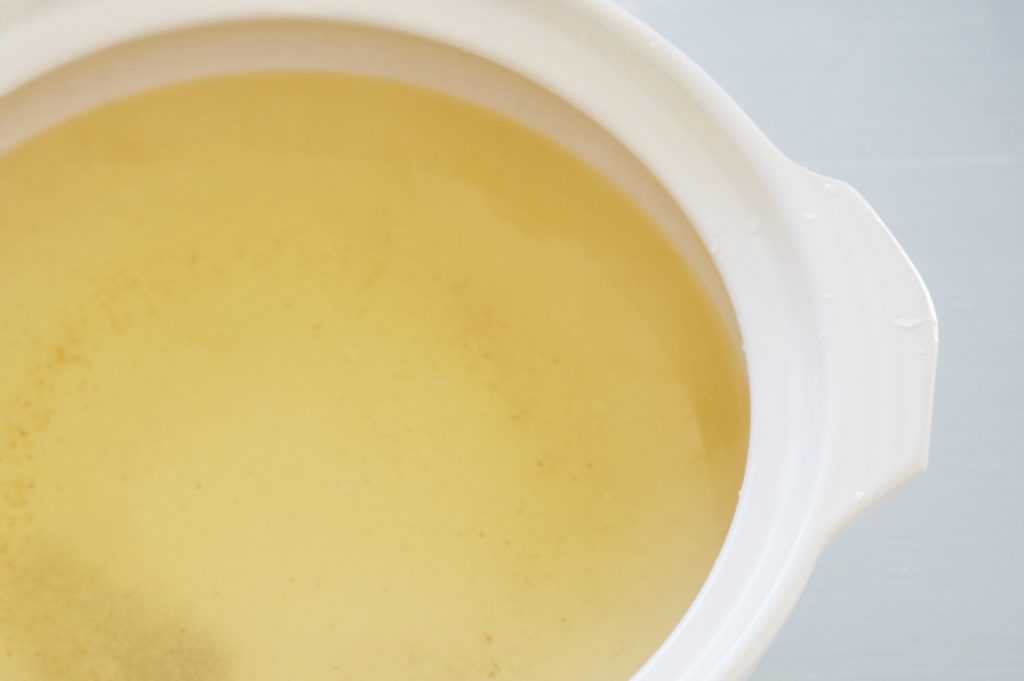
Dashi is a broth made by extracting the essence of ingredients like kombu (kelp), katsuobushi (bonito flakes), niboshi (dried sardines), or shiitake mushrooms. The magic of dashi lies in its umami, a “fifth taste” sensation discovered by Japanese scientist Kikunae Ikeda in 1908. This savory flavor perfectly complements sweet, salty, sour, and bitter, creating balance in every dish.
Unlike broths in other cuisines, such as French bouillon or consomme, Japanese dashi is remarkably simple to prepare. A clear and balanced flavor can be achieved with just water and kombu, making it both light and refined.
Types of Dashi: From Kombu to Bonito Flakes
Let’s explore the different varieties of dashi and their unique properties.
1. Kombu Dashi
This is a mild and elegant dashi made by soaking kelp, particularly from Hokkaido, in water. Its subtle richness makes it perfect for clear soups and hot pots.
2. Katsuobushi (Bonito Flake) Dashi
With its smoky aroma and sharp umami, dashi made from bonito flakes is a classic choice for miso soup and noodle broths like udon and soba.

3. Niboshi (Dried Sardine) Dashi
A bold and intense flavor characterizes niboshi dashi, which is often used in ramen or hearty stews.
4. Shiitake Mushroom Dashi
Sweet and mildly earthy, this plant-based option is widely used in vegetarian dishes and traditional Buddhist temple cuisine.
5. Mixed Dashi
A combination of kombu and bonito, mixed dashi is the standard in Japanese cooking, offering a perfect harmony of flavors.
Fun Facts About Dashi
Here are some surprising bits of trivia about dashi:
- Hardest Food in the World?
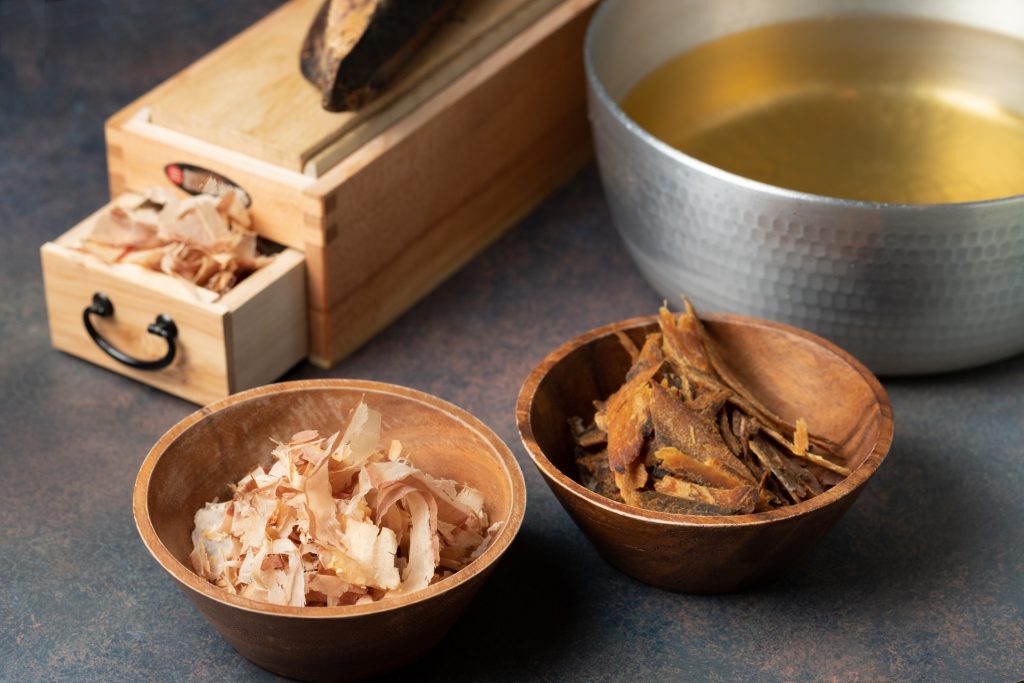
Katsuobushi (bonito flakes) is recognized by Guinness World Records as the hardest food. Yes, it’s practically rock-solid until shaved thin! - Kombu Water Trend
Kombu water, made by soaking kelp, has gained popularity for its health benefits. Rich in minerals and umami, it’s now a trendy beverage in Japan. - Dashi and Japanese Cuisine
In Japanese cooking, there’s virtually no dish without dashi. From miso soup to dipping sauces, dashi is essential for crafting balanced flavors.

Where to Experience Dashi in Japan
Looking to taste the magic of dashi? Check out these renowned establishments:
- Hyotei (Kyoto)
A celebrated restaurant known for its dashi-rich breakfast porridge. - Ippudo (Nationwide)
This globally renowned ramen chain masterfully incorporates niboshi and bonito dashi into its soup base. - Sukiyabashi Jiro (Tokyo)
A renowned high-end sushi restaurant. At Sukiyabashi Jiro, the perfect pairing of vinegared rice and meticulously crafted dashi enhances its simple yet refined flavors.

Conclusion
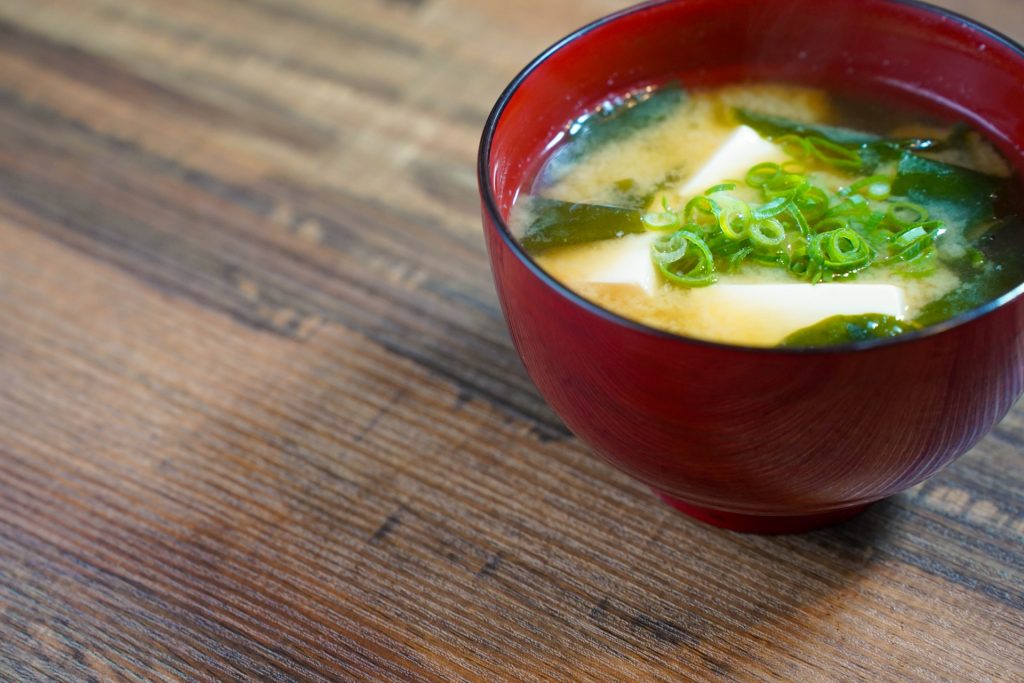
Dashi is more than just a seasoning—it’s the soul of Japanese cuisine. By understanding its role and significance, you can appreciate Japanese dishes on a whole new level. So, next time you enjoy a bowl of miso soup or noodles, think about the dashi that makes it so delicious!