
Izakayas are beloved spaces in Japanese daily life where people can relax, enjoy drinks and delicious food, and create memorable moments with friends, colleagues, or even strangers. However, izakayas aren’t just casual venues—they represent a piece of Japan’s cultural identity nurtured through centuries of history. From their origins during the Edo period to their modern-day popularity, izakayas are steeped in stories and traditions that continue to captivate locals and visitors alike. In this article, we’ll dive into the history of izakayas, explain what makes them so popular, and highlight the must-try dishes that define their menus.
The History of Izakayas: Where It All Began

Izakayas, in their original form, began during the Edo period (1603–1868), a fascinating time when Japan was under the rule of the Tokugawa shogunate. Their development ties closely to Japan’s evolving drinking culture and the needs of the people.
The Birth of Izakayas
In the early Edo period, sake merchants would often sell their wares for takeout. However, over time, they began offering spaces for customers to sit and drink their sake on-site, adding snacks or small dishes to complement the drinks. This “sit down and drink” concept gave rise to what we now know as izakayas. The term itself comes from the words “i” (to stay) and “sakaya” (sake shop), signifying a place where people could drink while staying on the premises.
A Hub for Social Exchange
During the Edo period, izakayas were small, unpretentious establishments that became popular hubs for social interaction. Patrons would gather not only to drink but also to exchange gossip or local news. This early function as a place of community gathering is a trait that remains an integral part of izakayas today.

The Showa Era Boom
The post-war restoration period during the Showa era (1926-1989) saw sweeping changes in their form and popularity. With many small businesses and restaurants affected by the war, izakayas served as spaces where people could unwind amidst difficult times. Post-war economic growth brought innovation to these establishments, introducing a broader range of dishes, such as yakitori (grilled chicken skewers) and simmered dishes like nikomi (stews). Later in the Showa period, popular izakaya chains began to emerge, making these spaces more affordable and accessible to everyday people. The casual nature and wide-ranging menus caught on, cementing izakayas as a significant part of modern Japanese dining culture.
Why Do People Love Izakayas So Much?
Izakayas are adored by both locals and visitors for a variety of reasons. Beyond serving excellent food and drinks, they cater to emotional needs, providing a cozy yet lively setting for connection and enjoyment. Let’s take a closer look at why these establishments remain so integral to Japanese life.
A Place to Enjoy Regional Flavors
One of the best things about izakayas is how they embody local food culture. Depending on the region, you’ll find dishes tailored to local ingredients. For example, izakayas in Hokkaido often feature fresh seafood like sashimi or grilled fish, while those in Kyushu specialize in free-range jidori chicken dishes. Trying the local specialties at an izakaya can be a form of cultural exploration.
Welcoming and Casual Atmosphere
Izakayas are renowned for their relaxed and casual environment. Whether you’re in work attire, jeans, or traveling clothes, you’re always welcome. They provide an informal setting where people are encouraged to laugh, talk, and enjoy themselves without formality. The reasonable pricing also allows for flexibility, so you can make a quick stop for a drink or settle in for a longer dinner.
A Space for Connection

Whether you’re visiting with friends, colleagues, or even by yourself, izakayas are places that foster connections. Many feature counter seating that encourages conversations between strangers or with the staff. There’s also a growing “solo-dining” culture in Japan where individuals feel comfortable enjoying their own company while savoring the atmosphere of an izakaya.
Must-Try Dishes at an Izakaya
If you’re visiting an izakaya for the first time or want to make sure you don’t miss out on the classics, here are some iconic dishes you should try. Izakaya menus are incredibly diverse, catering to everyone from casual drinkers to seasoned foodies.
Yakitori (Grilled Chicken Skewers)

A staple of any izakaya menu, yakitori consists of individual chicken skewers cooked over an open flame. Choose from a variety of cuts, such as tender thigh meat, chicken meatballs (tsukune), or crispy skin. Skewers can usually be seasoned with either salt or a sweet-savory soy-based tare sauce.

Sashimi Platter (Raw Sliced Fish)

For seafood lovers, nothing beats a plate of freshly sliced sashimi. Common selections include tuna, salmon, yellowtail, and squid, beautifully arranged on a platter. The accompanying soy sauce and wasabi enhance the flavors, making it a must-order for any visit.

Karaage (Japanese Fried Chicken)
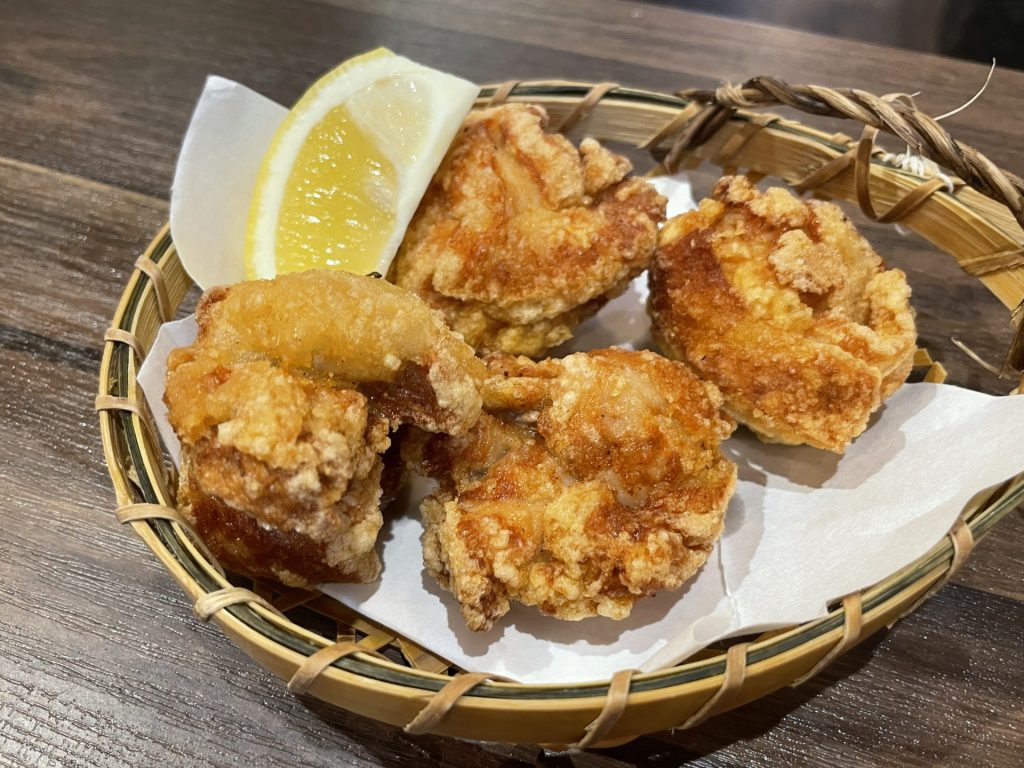
Karaage is another crowd favorite. These juicy, bite-sized pieces of chicken are marinated, lightly coated in flour, and deep-fried to perfection. Serve it with a slice of lemon, and it’s the ultimate beer accompaniment.

Edamame (Boiled Soybeans)
Simple yet quintessential, edamame is a light and healthy snack served boiled and lightly salted. It’s often the first dish to arrive and the perfect start to your meal.
Potato Salad

While potato salad may sound simple, izakaya-style potato salad often includes creative twists that make it unique to each restaurant. Some might blend in smoked ingredients, while others top it with crispy bacon or drizzle it with Japanese-style mayo. It’s humble food presented with a touch of sophistication, and it pairs wonderfully with any drink.

Finishing Dishes (Ochazuke and Noodles)
At izakayas, it’s a common cultural practice to order a “finishing dish” at the end of your meal. Options like ochazuke (rice with tea or broth) or grilled rice balls are popular choices, but many people also enjoy ramen, soba, or udon noodles as their final dish. These lighter or warm options are perfect for soothing the stomach after a night of drinks and hearty food. The variety of choices allows everyone to wrap up their meal in their own way, adding to the appeal of izakayas.

Izakayas Beyond Japan
In recent decades, izakayas have found a home overseas. Cities like New York, London, and Sydney are seeing a surge of Japanese izakayas, often run by locals who fell in love with the concept. These venues replicate the lively and friendly atmosphere of their Japanese counterparts, making izakaya culture more accessible to global audiences. They’re bridging cultural gaps and offering a taste of Japan’s hospitality to international diners.
Embrace the Spirit of Izakayas
Izakayas are not just places for drinking and eating—they’re gateways to understanding Japanese culture and experiencing moments of connection. Whether you’re sharing plates of food with friends, chatting with locals at the counter, or simply relaxing after a long day, izakayas offer something meaningful to everyone. So next time you’re looking for a unique and authentic dining experience, step into an izakaya and enjoy everything it has to offer.